Your solar panels may generate substantial power, but inefficiencies in conversion can waste 10-20% of that energy before it powers your home or business. Conversion efficiency—encompassing MPPT, charging, and inversion stages—is the key factor determining how much usable power you actually get.
Higher efficiency means more electricity from the same panels, lower electricity bills, faster payback periods, and extended equipment life. In this guide, we'll break down each stage and show how DeRun Inverter achieves up to 98% overall efficiency in our hybrid solutions.
At DeRun Inverter, we prioritize maximum conversion efficiency to deliver reliable, high-yield green energy systems for homes, businesses, and distributors worldwide.
1. What Is Conversion Efficiency in Solar Inverters?
Conversion efficiency measures how effectively a solar inverter transforms DC power from panels and batteries into usable AC power for loads or grid export. It includes three main stages: MPPT (maximum power point tracking), charging (DC to battery), and inversion (DC to AC).
A 1% efficiency improvement can increase annual energy output by hundreds of kWh, directly translating to lower costs and better ROI. Industry benchmarks range from 95-98%; anything below 96% often indicates significant energy waste.
2. MPPT Efficiency: Harvesting Maximum Solar Power
MPPT continuously adjusts voltage and current to operate solar panels at their maximum power point, especially under varying conditions like clouds or temperature changes.
Compared to older PWM controllers, MPPT can boost energy harvest by 20-30%. High MPPT efficiency ensures you capture every possible watt from your panels.
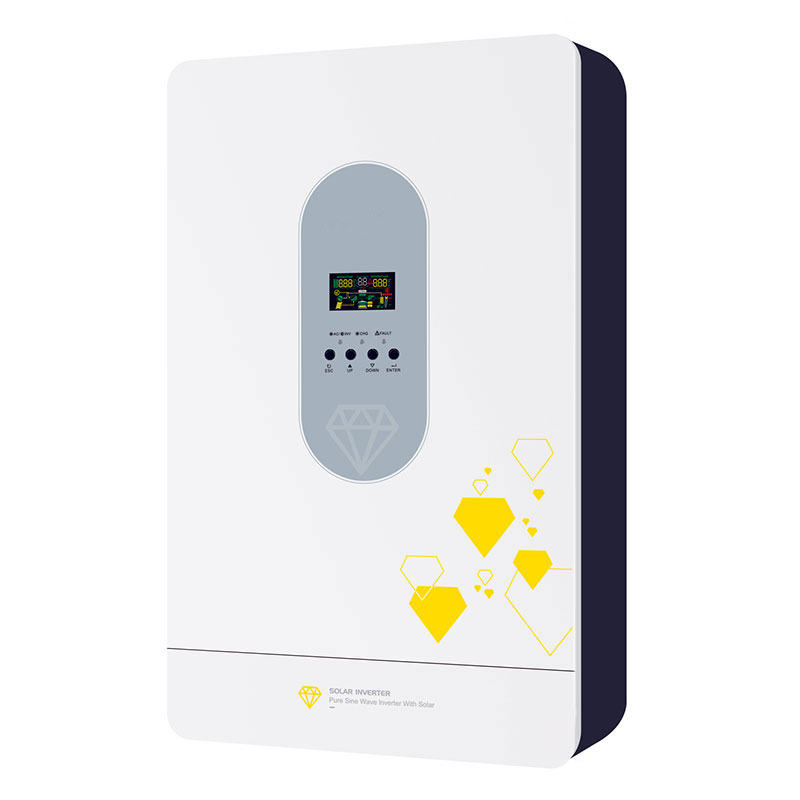
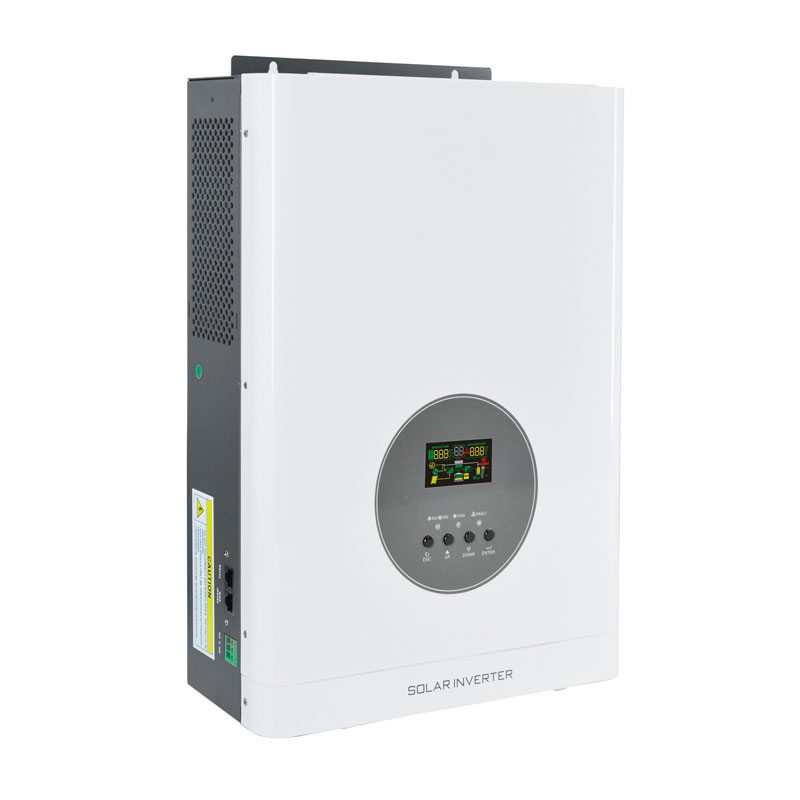
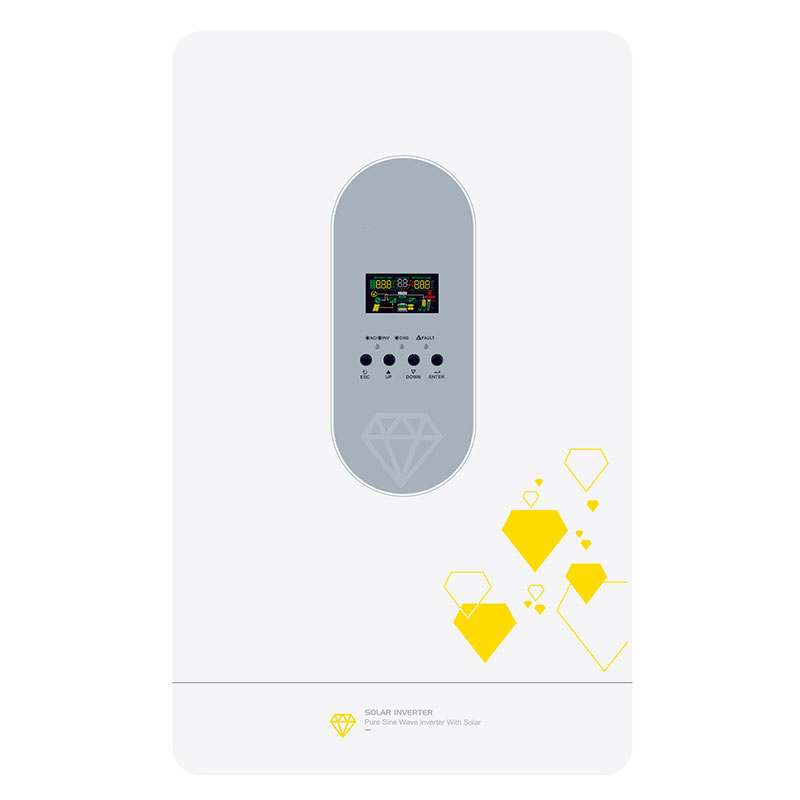
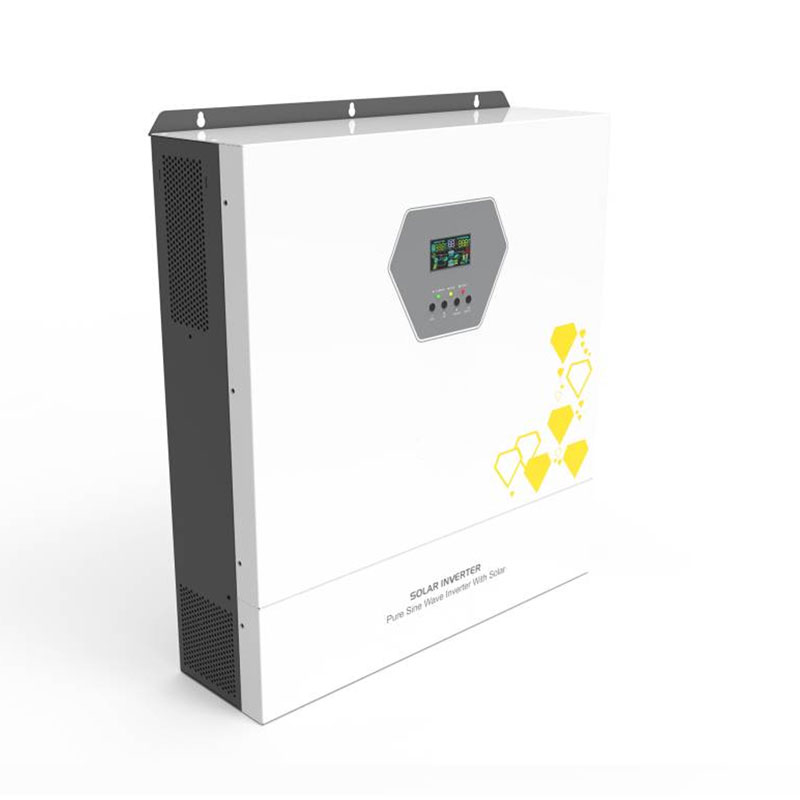
DeRun's GD and BJ series feature advanced MPPT algorithms with wide input voltage ranges, delivering consistent high performance across diverse environments.
3. Charging Efficiency: Optimizing Battery Storage
This stage involves efficiently transferring DC power from solar or grid to batteries. Losses here can cause overheating, reduced battery lifespan, and slower charging.
Key factors include charging current, voltage regulation, and battery management system (BMS) compatibility. High-efficiency charging minimizes heat and maximizes stored energy.
Our hybrid inverters support high charging currents (up to 120A in select models) and seamless lithium battery BMS communication, ensuring safe, fast, and efficient storage.
4. Inversion Efficiency: Converting DC to Usable AC Power
Inversion turns stored or generated DC power into stable AC for appliances or grid feed-in. Losses occur as heat during switching and transformation.
High-frequency designs reduce these losses significantly. DeRun GD and BJ series achieve up to 98% inversion efficiency, meaning almost all input power reaches your loads.
| Stage | Typical Efficiency | DeRun Efficiency | Impact of Improvement |
|---|---|---|---|
| MPPT | 95-99% | High (advanced algorithms) | +20-30% solar harvest |
| Charging | 90-97% | High (BMS optimized) | Longer battery life, faster charge |
| Inversion | 95-98% | Up to 98% | More usable power, less waste |
5. Real-World Benefits & Case Study
Pros: Higher energy yield; reduced electricity costs; faster ROI; extended system and battery life; enhanced reliability with 24/7 support.
Cons: Premium high-efficiency models cost more upfront, but the savings quickly offset the investment.
Case Study: A commercial installation using our GD Series saw a 15-20% increase in usable energy compared to lower-efficiency alternatives, significantly improving their payback period.
6. How to Choose a High-Efficiency Hybrid Inverter
Look for verified efficiency ratings (CEC, Euro), wide MPPT range, BMS compatibility, and remote monitoring. For scalable, high-efficiency systems, select the GD Series (paralleling support). For user-friendly operation, choose the BJ Series with its touch color screen.
Conclusion: Maximize Your Solar Investment with DeRun
Conversion efficiency is not just a technical specification—it's the foundation of a profitable and reliable solar system. DeRun's GD and BJ series deliver up to 98% efficiency across all stages, ensuring you get the most from every panel and battery.
Ready to upgrade to maximum efficiency? Contact us for expert advice tailored to your needs.
Unlock Maximum Efficiency Today
Get personalized guidance from DeRun Inverter experts.
Free Consultation Browse Hybrid Series