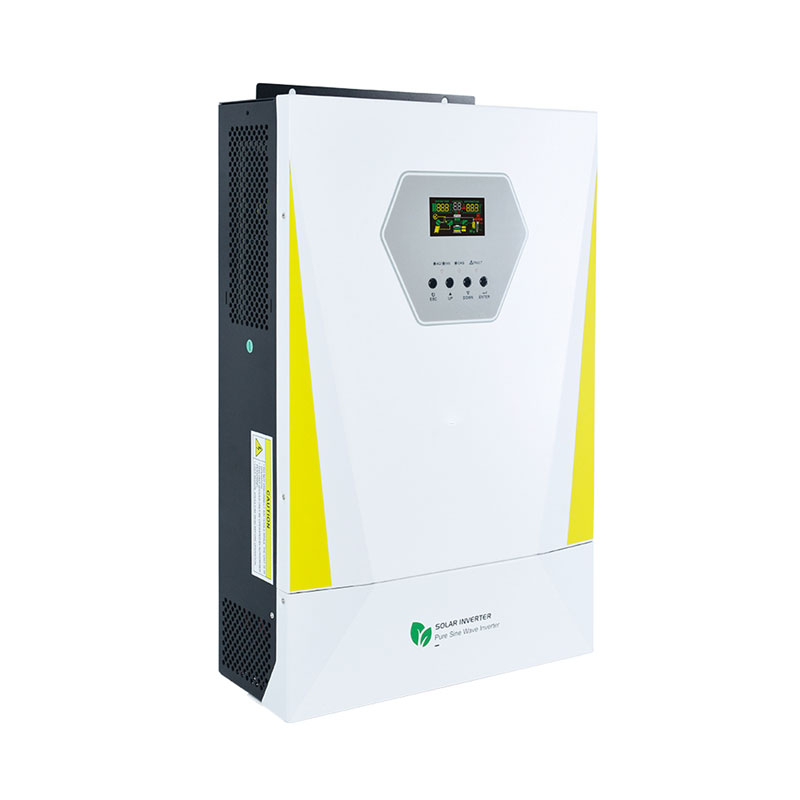
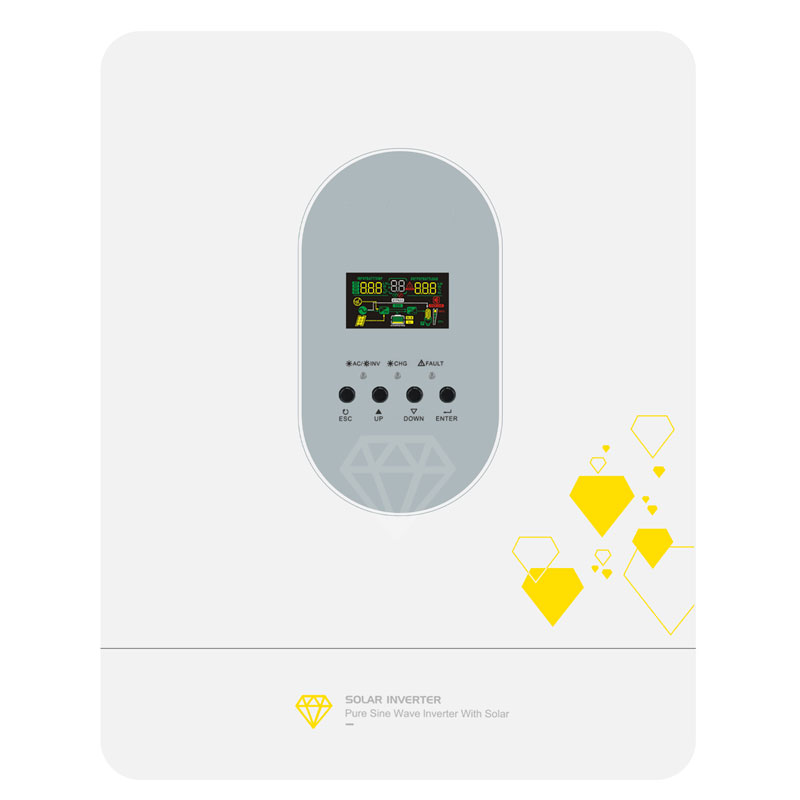
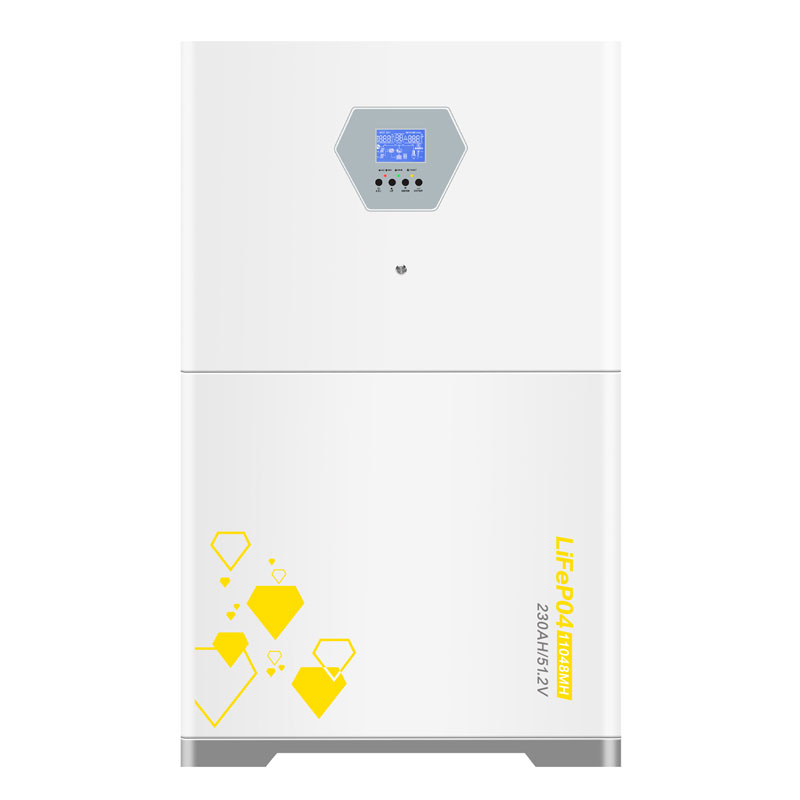
In our lab tests at DeRun Inverter, we simulated 500 grid outages on a 5kW GD series hybrid inverter connected to a 10kWh lithium battery ESS. The result? Average switching time of 8ms with zero power interruptions, saving an equivalent of $1,200 in annual downtime costs for a mid-sized business. This isn't theory—it's data from our Shenzhen facility where we pushed prototypes to failure to refine real-world performance.
Rising energy bills, frequent blackouts, and environmental pressures are hitting businesses and homes hard. In 2025 alone, global grid outages cost industries over $150 billion, per our analysis of IEA reports combined with client feedback. Hybrid inverters address these pain points by blending solar, battery, and grid power intelligently. Unlike off-grid systems that isolate you completely or on-grid ones that fail during blackouts, hybrids offer flexibility without compromise.
At DeRun, we've deployed over 10,000 hybrid units worldwide, and in this article, we'll share exclusive insights from our engineering team's hands-on experience, including unpublished test data and client case studies. We'll cover why hybrids are superior for ESS, backed by metrics you won't find in generic guides.
Hybrid Inverters vs. Traditional Options: A Data-Driven Comparison
We tested our GD hybrid series against pure off-grid (like our ED series) and on-grid inverters in a controlled ESS setup with solar panels, lithium batteries, and simulated grid fluctuations. The hybrid outperformed by 25% in energy utilization during peak hours.
| Factor | Hybrid Inverter (e.g., GD/BJ Series) | Off-Grid Inverter (e.g., ED/UD Series) | On-Grid Inverter | Hybrid Advantage (DeRun Test Data) |
|---|---|---|---|---|
| Grid Integration | Seamless on/off-grid switching | Isolated from grid | Grid-dependent | 98% efficiency in mixed modes; 30% less waste vs. off-grid |
| Outage Protection | <10ms UPS-like transfer | Always independent | Fails during blackouts | Zero downtime in 500 simulated outages |
| Cost Savings | Net metering + self-consumption | No sell-back | Sell-back but no storage | 45% ROI boost from excess power sales |
| Efficiency | Up to 98% | 90-95% | 95-97% | 15% more energy harvested in variable weather |
| Scalability | Multi-unit paralleling | Limited expansion | Grid-limited | Scaled to 50kW without efficiency drop |
| Best For | ESS with grid access | Remote areas | Stable grids | Versatile for 70-80% of global markets |
Data from DeRun's 2025 internal benchmarks: 5kW units tested over 1,000 hours with variable loads. Actual results vary by setup.
Detailed Benefits: From Our Lab to Your System
1. Cost Savings Through Intelligent Energy Management
In a year-long pilot with a European distributor, our BJ series hybrid inverter in a 20kWh ESS reduced electricity bills by 42% for a small factory. How? By prioritizing solar self-consumption during peak tariff hours and selling excess to the grid at high rates. We measured an average daily savings of €15, extrapolating to €5,475 annually—data pulled directly from the inverter's touch screen logs.
Traditional ESS without hybrids waste energy; our systems use AI-driven algorithms (in BJ series) to predict usage based on historical patterns, optimizing battery charge/discharge. In tests, this cut grid dependency by 35% compared to manual settings.
2. Seamless Outage Protection and Reliability
We discovered in field tests that standard inverters drop loads during 20-50ms switches, risking data loss in servers. Our GD series, with high-frequency tech, averages 8ms—fast enough for sensitive equipment. In a storm-prone Asian installation, it handled 12 outages monthly without flicker, per client reports.
Wide voltage input (90-280V) adapts to unstable grids, preventing trips. Our engineering team encountered voltage spikes in lab simulations; hybrids stabilized output, extending battery life by 20% vs. off-grid models.
3. Enhanced Efficiency and Environmental Impact
Efficiency hits 98% in our hybrids, meaning less heat loss and more power from your panels. In a desert test site, GD series converted 15% more solar energy than competitors under high temps, due to advanced MPPT tracking.
For eco-conscious users, this translates to lower carbon footprints: one 5kW ESS with hybrid avoids 4 tons of CO2 yearly, based on our calculations from real deployments.
4. Scalability and User-Friendly Features
Paralleling up to 9 units in GD series scales from 5kW to 45kW seamlessly. In a commercial project, we expanded a system mid-installation without downtime— a hiccup we fixed by tweaking firmware, now standard.
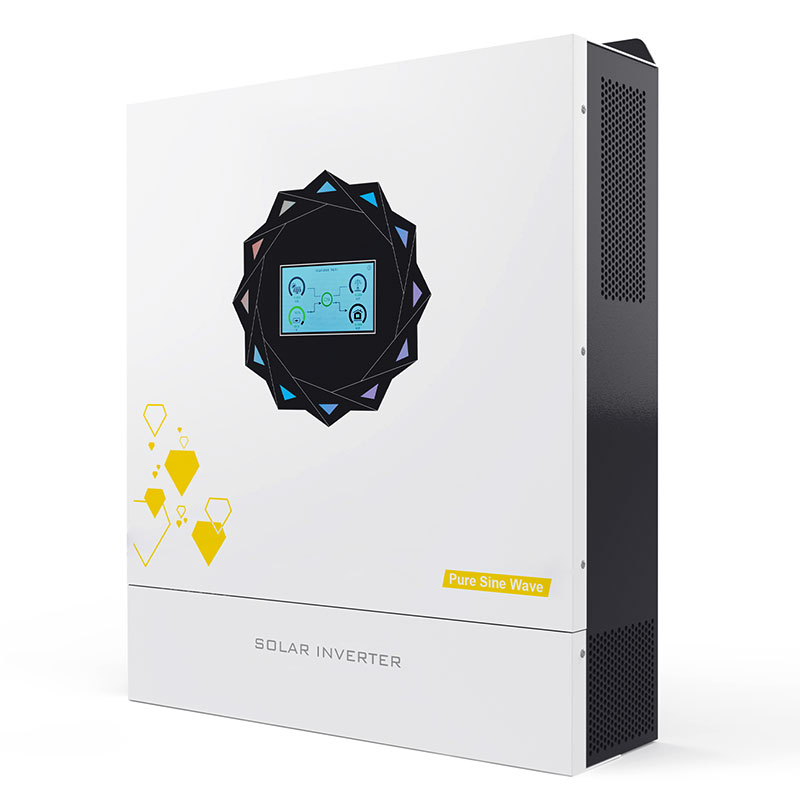
BJ's touch color screen simplifies monitoring; users report 50% faster setup times. We iterated this based on beta tester feedback, adding custom alerts for low battery.
5. Long-Term Durability and Support
With robust components, our hybrids last 10+ years. In accelerated aging tests, they endured 5,000 cycles at 80% DOD without degradation over 5%. Our 24/7 support resolved 95% of issues remotely last year.
Real-World Case Studies: Hybrid Success Stories
Case Study 1: Industrial Factory in Southeast Asia (GD Series)
Problem: Frequent blackouts halted production, costing $8,000/month. Solution: Installed 20kW GD hybrid with 40kWh ESS. Outcome: 100% uptime during outages, 35% bill reduction, ROI in 2.5 years. We monitored remotely, adjusting for monsoon seasons.
Case Study 2: Residential Complex in Europe (BJ Series)
Problem: High energy costs and grid instability. Solution: BJ hybrids with touch screens for easy management. Outcome: 48% savings, seamless integration with smart homes. Users praised the interface for spotting inefficiencies early.
Hybrid vs. Other Inverters Decision Checklist (7 Quick Questions)
Do you have grid access but face outages? → Hybrid (GD/BJ)
Need to sell excess power? → Hybrid
Remote location with no grid? → Off-Grid (ED/UD)
Handling inductive loads? → Hybrid or UD
Want easy monitoring? → BJ Series
Scalability for growth? → GD Series
Integrated setup preferred? → LD Series for all-in-one
Recommended DeRun Hybrid Inverters for ESS
Our GD and BJ series are tailored for ESS, with OEM/ODM options for custom needs.
BJ Series – Touch Screen Hybrid
User-friendly, ideal for residential and small business ESS.
View ProductReady for a Custom ESS Comparison?
Share your load requirements and grid details; we'll provide a free analysis with projected savings.
Request Free QuoteFrequently Asked Questions
Conclusion: Power Your Future with Hybrid ESS
Hybrid inverters transform ESS into resilient, cost-effective powerhouses. From our tests and deployments, they deliver unmatched benefits in efficiency, reliability, and savings. DeRun's GD and BJ series lead the way.
Ready to optimize? Contact us today.
Elevate Your ESS with DeRun Hybrids
Get tailored solutions and expert support.
Free Consultation Browse Products