1. Introduction: The New Era of Business Energy Independence
In today’s volatile energy market, businesses worldwide face increasing electricity costs, unpredictable grid performance, and growing pressure to meet sustainability goals. From manufacturing plants to office complexes, power reliability and cost efficiency have become critical to maintaining competitiveness.
As a result, many forward-thinking companies are turning to solar energy to gain greater control over their energy resources. Yet, solar power alone is not enough — it requires a smart system that can balance generation, storage, and demand.
This is where Hybrid Solar Inverters come in. By integrating solar generation, battery storage, and grid power into one intelligent system, hybrid inverters enable businesses to achieve true energy independence — ensuring uninterrupted power and optimized energy costs, even under challenging conditions.
2. What Is a Hybrid Solar Inverter?
A Hybrid Solar Inverter is a multifunctional device that combines the capabilities of both an off-grid inverter and an on-grid inverter. It manages solar energy, grid power, and battery storage simultaneously to deliver seamless energy supply and intelligent load management.
In a typical hybrid system setup, the inverter plays the role of a central controller:
It converts DC power from solar panels into AC power for business operations.
It directs excess energy to charge batteries for later use.
When solar generation is insufficient, it draws power from either the battery or the grid.
In essence, a hybrid inverter serves as the energy management hub of a business’s power system, optimizing every watt of available energy.
Hybrid inverters are increasingly popular for commercial and industrial applications where uninterrupted power supply and cost stability are essential — such as factories, data centers, warehouses, and commercial buildings.
3. Why Businesses Need Energy Independence
Energy independence doesn’t necessarily mean being completely disconnected from the grid. Instead, it’s about gaining control and flexibility — the ability to generate, store, and manage your own energy efficiently.
Here are some key drivers behind businesses seeking greater energy autonomy:
Rising Electricity Prices: Global electricity tariffs have increased by more than 40% in many industrialized regions since 2020. Hybrid systems help offset these costs through self-generation and optimized energy use.
Unstable Power Supply: Grid outages or fluctuations can halt production lines, damage equipment, and disrupt logistics operations.
Sustainability Goals: Corporations are under increasing pressure to reduce carbon footprints and comply with green energy regulations.
Remote Operations: Facilities in off-grid or unstable-grid regions require consistent power for critical functions.
Hybrid solar inverters empower companies to tackle all these challenges with a single, integrated solution.
4. How Hybrid Solar Inverters Improve Energy Independence
Hybrid inverters achieve energy independence by intelligently managing multiple power sources in real time. Let’s break down how they make this possible:
1. Seamless Energy Switching
Hybrid inverters automatically switch between solar, battery, and grid power without interruption. This ensures critical operations continue even during grid failures or fluctuations.
2. Energy Storage Optimization
During the day, when solar generation is high, the hybrid inverter directs excess power to the battery. At night or during cloudy conditions, it draws stored energy to maintain stable supply — reducing reliance on the grid.
3. Smart Load Management
Advanced hybrid inverters monitor load demand and prioritize energy flow. For example, essential equipment gets priority supply from the solar + battery system, while less critical loads draw from the grid.
4. Grid Interaction and Backup
In grid-tied mode, hybrid inverters can export surplus energy to the grid, earning credits or compensation where net metering policies exist. In off-grid or backup mode, they provide clean and stable power during outages.
5. Intelligent Monitoring
Modern hybrid solar inverters, such as those from DeRun Inverter, come equipped with Wi-Fi or GPRS connectivity for remote monitoring. Businesses can track energy generation, consumption, and storage status in real-time through user-friendly dashboards.
5. Key Advantages of Hybrid Solar Inverters for Businesses
The hybrid inverter is more than a piece of hardware — it’s a strategic energy investment. Here’s how it adds measurable value to businesses:
(1) Lower Operating Costs
By reducing grid dependence and leveraging stored solar power during peak tariff hours, businesses can achieve significant energy savings — often cutting electricity expenses by 30–60%.
(2) Reliable Backup Power
In regions where grid reliability is inconsistent, hybrid inverters ensure that operations never stop. They instantly switch to stored energy during outages, protecting sensitive equipment and preventing costly downtime.
(3) Enhanced Sustainability
Hybrid systems maximize the use of renewable energy. Every kilowatt-hour generated and stored reduces carbon emissions and strengthens a company’s environmental credentials.
(4) Long-Term ROI
Although initial investment may be higher, hybrid solar systems offer strong long-term returns through energy savings, reduced maintenance, and extended equipment lifespan.
(5) Future-Ready Flexibility
Hybrid inverters can be scaled or upgraded easily. Businesses can expand battery capacity or solar arrays as their energy demand grows — making it a future-proof solution.
6. Real-World Applications
Hybrid solar inverter systems are suitable for a wide range of commercial and industrial applications:
Manufacturing Plants: Maintain constant power for production lines, CNC machinery, and automation systems.
Warehouses & Logistics Centers: Ensure continuous operations for lighting, refrigeration, and equipment during grid failures.
Hotels, Offices, and Malls: Reduce operating costs while maintaining uninterrupted comfort for guests and staff.
Telecom Towers & Remote Facilities: Operate reliably in off-grid regions using stored solar power.
Across all these industries, Hybrid Solar Inverters enable reliable energy independence, reduce operational risks, and deliver measurable cost efficiency.
7. Technical Features That Make a Difference
Not all hybrid solar inverters are created equal. When evaluating options, business buyers should look for key performance and reliability indicators:
High Conversion Efficiency (≥98%)
Ensures maximum energy utilization and minimal loss.
Advanced MPPT Technology
Optimizes solar input to ensure consistent power generation under variable sunlight conditions.
Intelligent Energy Management
Allows flexible control of power flow among solar, battery, grid, and loads.
Scalability
Support for parallel operation makes it easy to increase system capacity.
Robust Design
Low-frequency models, like DeRun’s UD Series, provide superior reliability and long lifespan in demanding environments.
Smart Communication
Supports Wi-Fi, RS485, and GPRS for remote monitoring and system control.
8. Why Choose DeRun Inverter for Hybrid Energy Solutions
As a professional solar inverter manufacturer, DeRun Inverter specializes in developing efficient, durable, and smart hybrid inverter solutions designed for commercial and industrial energy projects.
DeRun Hybrid Solar Inverter Advantages:
High-efficiency MPPT control (up to 98%) for optimized power generation.
Wide input voltage range compatible with global grid standards (90–280VAC, 50/60Hz).
Intelligent charging and discharging modes for extended battery life.
Support for multi-unit parallel operation for scalable installations.
Comprehensive protection features: overload, short-circuit, over-temperature, and reverse polarity.
OEM & ODM customization services for distributors and system integrators.
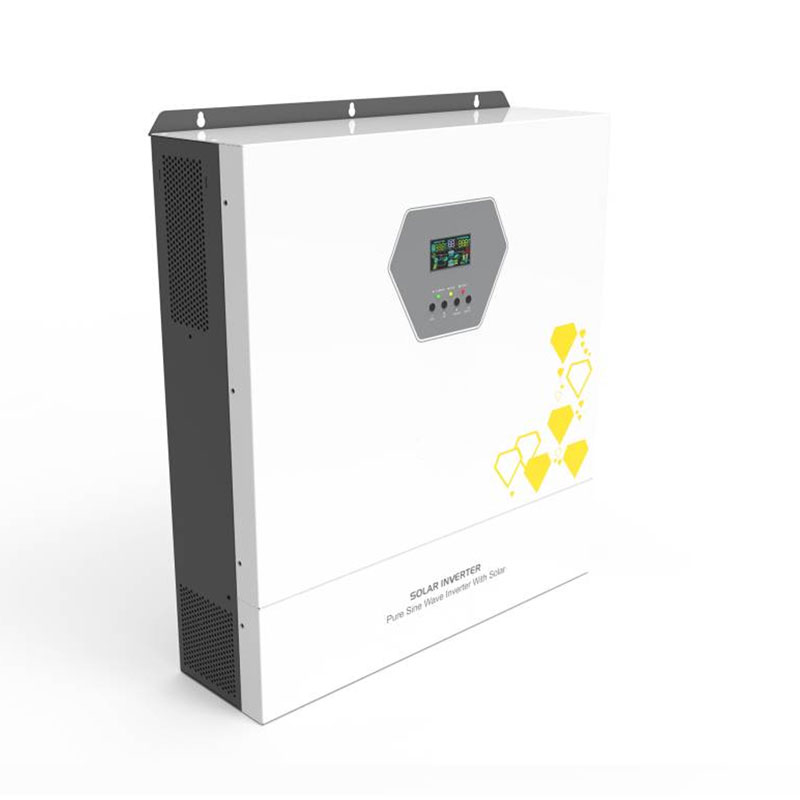
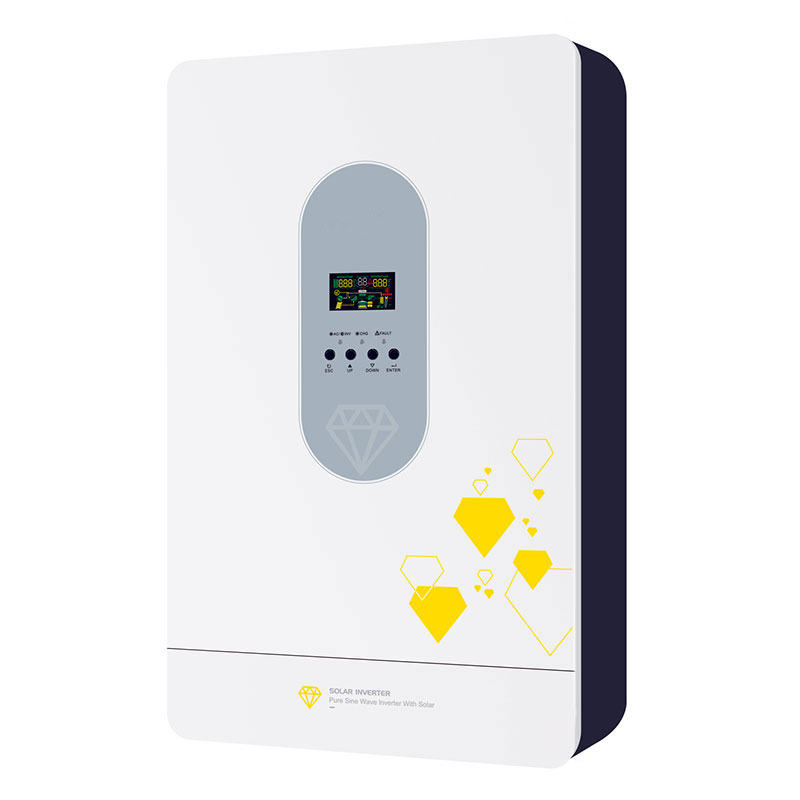
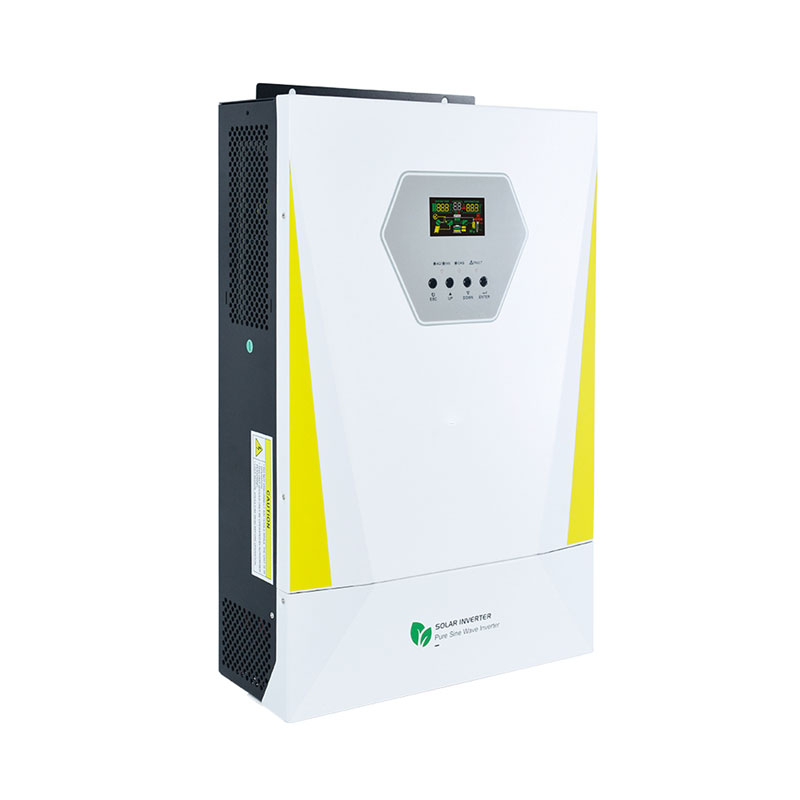
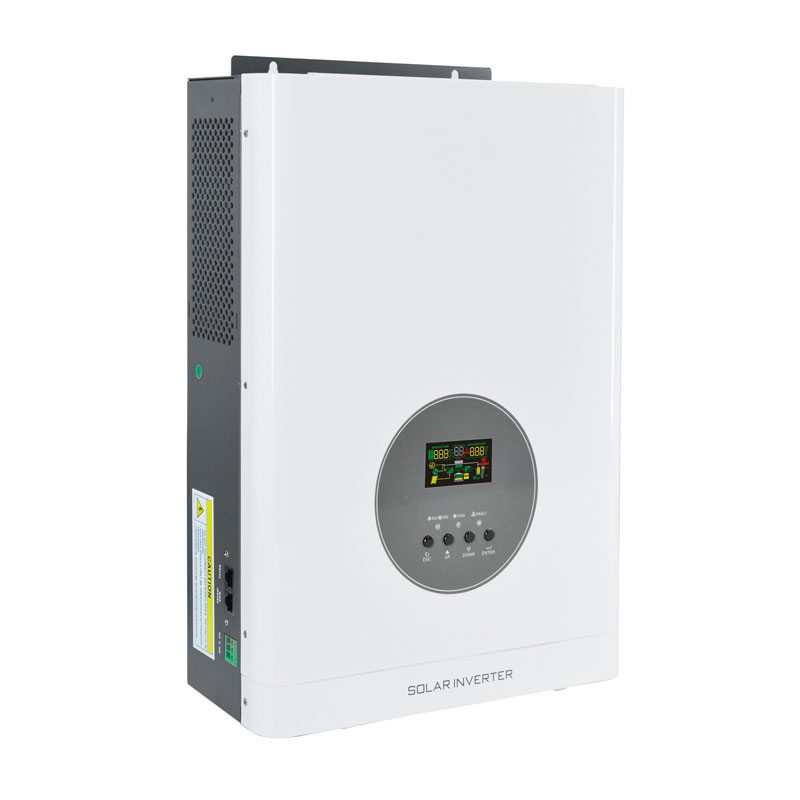
For commercial and industrial projects that demand reliable hybrid solutions, explore DeRun’s Hybrid Solar Inverter Series — engineered for performance, durability, and long-term value.
9. How to Select the Right Hybrid Inverter for Your Business
Before choosing a hybrid inverter, consider the following practical factors to ensure optimal system performance:
Load Requirements:
Determine your daily and peak power consumption to size the inverter appropriately.Battery Compatibility:
Ensure the inverter supports the type of battery you plan to use — lithium, lead-acid, or other advanced chemistries.System Voltage:
Choose an inverter that matches your battery bank voltage (e.g., 48V, 96V, etc.) to maximize efficiency.Scalability Needs:
For expanding businesses, select inverters that allow parallel connection for future growth.Warranty and After-Sales Support:
Always partner with a manufacturer offering technical support, spare parts availability, and global service coverage.
DeRun Inverter offers expert guidance to help customers design the most efficient hybrid solar inverter configuration for their project needs.
10. The Business Impact of Hybrid Solar Inverters
Hybrid solar inverter systems go beyond saving money — they reshape how businesses think about power.
Operational Resilience: Never lose power due to grid instability.
Financial Predictability: Protect your business from future electricity price spikes.
Brand Value: Demonstrate commitment to sustainability and innovation.
Energy Autonomy: Manage your own generation, storage, and consumption intelligently.
By integrating solar energy, storage, and advanced inverter control, businesses achieve the ultimate goal — sustainable, cost-efficient, and reliable energy independence.
11. The Future of Hybrid Energy for Businesses
As global energy networks evolve toward smart grids and distributed generation, hybrid solar inverters will play a central role in bridging renewable generation with intelligent storage systems.
Emerging trends like AI-driven load forecasting, IoT-enabled remote diagnostics, and predictive maintenance will make hybrid systems even more efficient and self-optimizing.
Forward-looking manufacturers such as DeRun Inverter are continuously investing in R&D to ensure their hybrid inverter technology remains at the forefront of this transformation — helping partners worldwide build smarter, greener, and more resilient power infrastructures.
12. Conclusion: Take Control of Your Energy Future
For businesses striving to balance performance, sustainability, and cost efficiency, Hybrid Solar Inverters offer the perfect pathway to energy independence.
They enable companies to generate, store, and use power on their own terms — reducing costs, minimizing risks, and building a sustainable energy future.
Partner with DeRun Inverter, a trusted manufacturer dedicated to delivering high-quality hybrid solar inverter solutions for commercial and industrial applications.
Explore our Hybrid Solar Inverter Series today and take the next step toward powering your business with independence and intelligence.