In today’s rapidly changing energy landscape, the fusion of solar inverters and energy storage systems (ESS) is reshaping how industries, businesses, and communities manage power. With the global demand for clean, reliable, and stable energy increasing, the combination of solar and storage has emerged as the backbone of modern smart grids.
This integration allows for greater flexibility, independence, and efficiency — turning renewable energy from an intermittent resource into a stable, controllable asset. But how exactly do energy storage systems and solar inverters complement each other? And why is this partnership critical for the future of global energy infrastructure?
In this article, we’ll explore how energy storage and solar inverters work together, the technical benefits they offer, and why more industrial and commercial users are embracing this powerful combination.
1. Why Modern Grids Need Energy Storage
Traditional electric grids were designed for one-way power flow — from centralized power plants to consumers. But as renewable energy sources like solar and wind have expanded, grids are now facing new challenges: variability, unpredictability, and the need for real-time balancing.
Solar energy, while abundant and clean, is inherently intermittent. Power generation peaks during midday when the sun is strongest, but electricity demand often peaks in the evening. Without a way to store excess solar energy, a significant portion of potential power goes unused.
This is where energy storage systems (ESS) become essential. By storing excess electricity produced during high-generation periods and releasing it when demand rises, ESS ensures grid stability and energy continuity.
For businesses and industrial users, this capability translates into:
Reduced dependency on the grid;
Protection against power fluctuations;
Optimized energy usage and cost savings;
Greater control over renewable generation assets.
In short, energy storage transforms solar power from a time-dependent source into a 24/7 energy solution.
2. The Role of Solar Inverters in Energy Storage Systems
While batteries store the energy, it’s the solar inverter that orchestrates how energy flows within the system. Think of the inverter as the intelligent bridge between the solar panels, the batteries, and the grid.
Here’s what makes solar inverters so critical in ESS setups:
DC to AC Conversion:
Solar panels generate direct current (DC), while most electrical devices and the grid use alternating current (AC). The inverter converts DC to AC with high efficiency, typically above 98%.Bidirectional Power Flow:
In advanced systems, inverters not only convert DC to AC but also allow reverse flow — enabling batteries to charge and discharge intelligently depending on energy availability and demand.System Control and Communication:
Modern inverters feature smart monitoring, allowing precise control of how energy is distributed among panels, batteries, loads, and the grid.Safety and Protection:
Inverters regulate voltage, frequency, and current to ensure safe and reliable operation, protecting both the storage system and the grid from anomalies.
Essentially, the inverter acts as the brain of the energy storage system, controlling power direction, timing, and quality. Without a capable inverter, even the most advanced batteries cannot deliver their full potential.
3. The Advantages of Combining Energy Storage and Solar Inverters
The synergy between energy storage and solar inverters unlocks a range of benefits that go beyond simple energy conversion.
1. Grid Stability and Power Quality
With advanced inverter technology, systems can regulate voltage and frequency, support reactive power, and even provide grid-forming capabilities during outages. This helps utilities and industries maintain smooth operations even in unstable grid conditions.
2. Maximized Solar Utilization
Instead of exporting excess energy to the grid (often at low tariffs), stored power can be used during peak hours or at night — increasing the overall return on investment (ROI) for solar installations.
3. Cost Savings
By storing energy when prices are low and consuming it when grid rates are high, businesses can significantly reduce operational costs. Energy storage also helps avoid demand charges and penalties in industrial applications.
4. Energy Independence
With hybrid or ESS solar inverter systems, facilities can operate independently from the grid during outages or in remote areas — ensuring continuous operation and enhanced resilience.
5. Reduced Carbon Footprint
By optimizing renewable energy usage, businesses reduce reliance on fossil fuels, helping them achieve sustainability goals and meet environmental regulations.
Together, these advantages position the solar inverter + ESS combination as the foundation of modern energy management.
4. Technical Insights: How the Integration Works
To understand this integration more clearly, let’s look at a simplified step-by-step overview of how energy flows in a PV + ESS system:
Solar Power Generation:
PV panels absorb sunlight and convert it into DC electricity.DC Power Management:
The inverter regulates voltage and current from the panels, optimizing output through Maximum Power Point Tracking (MPPT).AC Conversion:
The inverter converts DC into AC for immediate use by connected loads or export to the grid.Energy Storage:
When production exceeds consumption, the inverter directs excess DC power to the batteries for storage.Power Discharge:
During periods of low solar generation or high demand, the inverter automatically draws stored power from the batteries to ensure uninterrupted energy supply.System Monitoring and Control:
Smart inverters monitor system performance in real time, adjusting operations for optimal efficiency and reliability.
This intelligent coordination of generation, storage, and consumption is what enables true energy optimization in commercial and industrial systems.
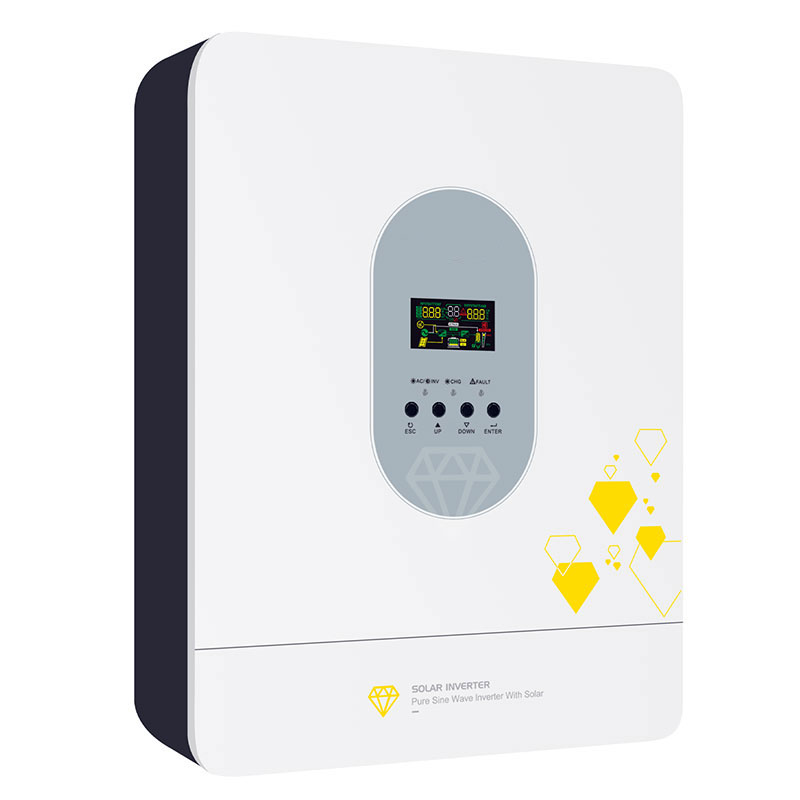
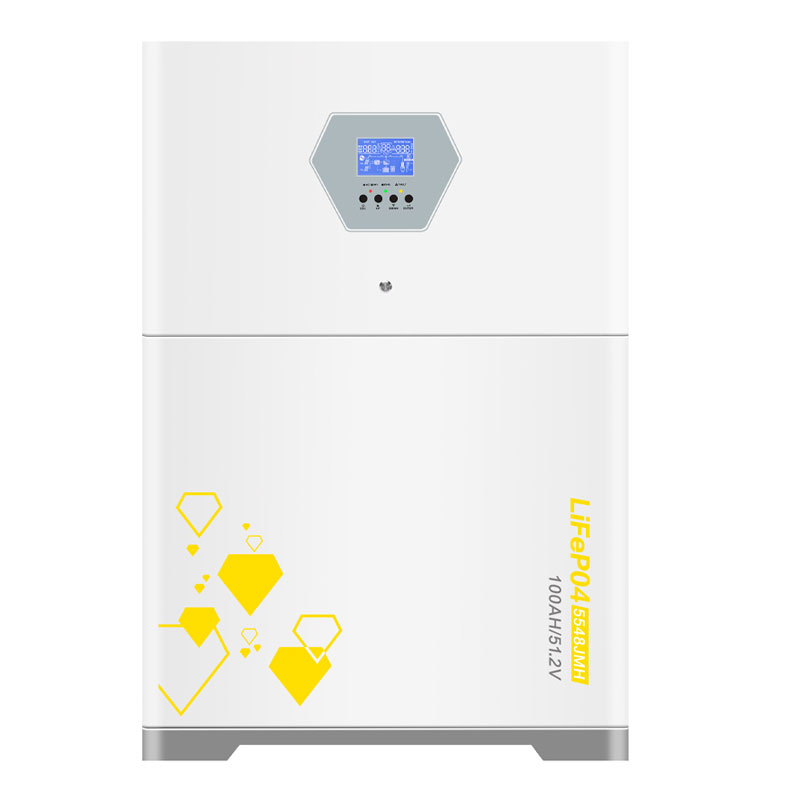
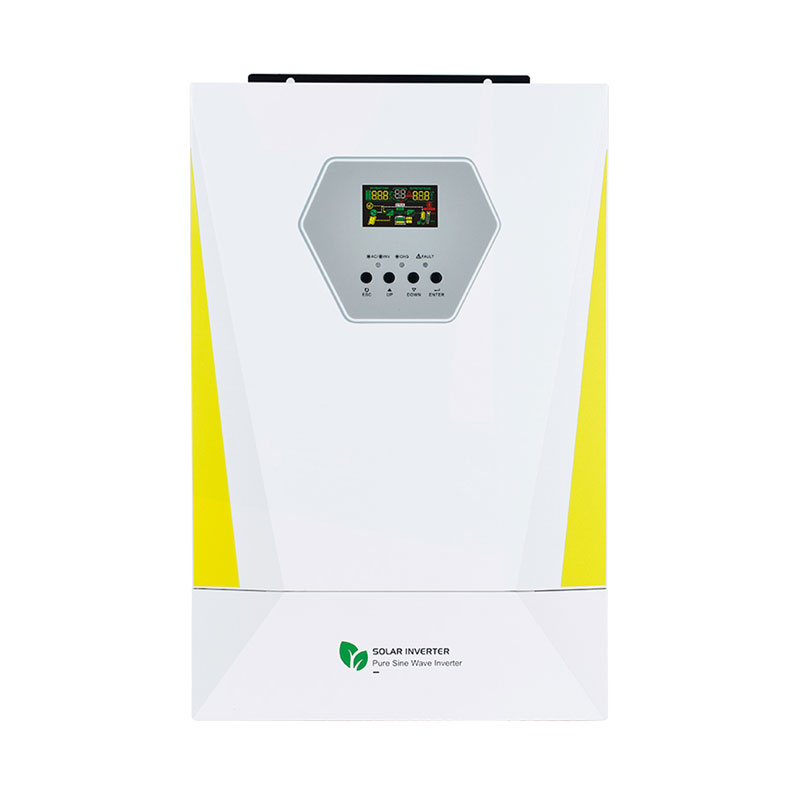
Example: DeRun Inverter’s ESS Solar Inverter series is designed with advanced bidirectional power control, MPPT efficiency up to 98%, and built-in monitoring features that ensure seamless integration between solar arrays, battery banks, and grid networks.
5. Commercial and Industrial Applications
The integration of solar inverters and energy storage systems is no longer a futuristic concept—it’s already transforming energy strategies across industries.
Commercial Buildings
Office complexes, malls, and data centers use ESS inverters to manage peak load, reduce electricity bills, and ensure backup power during outages.
Industrial Facilities
Manufacturers with high power demands use hybrid inverter systems to stabilize production lines, maintain critical systems, and avoid downtime caused by unstable grids.
Remote and Off-Grid Projects
In areas with limited grid access, ESS inverters enable complete energy independence — providing continuous power for telecom towers, islands, and mining operations.
Smart Microgrids
Microgrids in universities, hospitals, and industrial parks rely on ESS inverters to balance renewable generation, storage, and demand in real time.
In all these applications, the inverter is the central intelligence unit — balancing energy flow to ensure maximum efficiency, reliability, and safety.
6. Why Choose DeRun Inverter for Energy Storage Projects
When designing a modern energy storage system, selecting the right inverter manufacturer is critical. Reliability, performance, and integration capability can make or break the success of a project.
As a professional solar inverter manufacturer, DeRun Inverter provides advanced solutions tailored to ESS and hybrid applications.
Key Advantages of DeRun Inverter:
High Conversion Efficiency: Up to 98% MPPT tracking ensures optimal energy harvest.
Wide Compatibility: Supports multiple energy inputs — solar, battery, and grid.
Smart Control: Intelligent algorithms enable real-time monitoring and automated load management.
Robust Design: Industrial-grade materials and thermal management ensure stable performance in harsh environments.
Customization Services: OEM & ODM options for partners seeking brand integration or technical customization.
Global Certifications: CE, ISO, and other international standards ensure safety and reliability.
DeRun’s ESS Solar Inverter and Hybrid Solar Inverter lines are ideal for system integrators, EPCs, and project developers looking to enhance energy efficiency, stability, and scalability in their solar-plus-storage installations.
Interested in reliable, scalable inverter solutions?
Explore our ESS Solar Inverter Series and see how DeRun Inverter supports businesses in building smarter, more resilient energy systems worldwide.
7. The Future: Smart Energy Integration and Digital Grids
The next generation of energy systems will rely on digital intelligence as much as physical components.
Smart solar inverters with IoT and AI capabilities are already enabling predictive maintenance, adaptive power control, and grid-interactive functions. These technologies will further enhance the synergy between solar and storage, enabling fully autonomous microgrids and energy communities.
As renewable energy becomes the dominant global power source, the inverter’s role will expand — evolving from a converter into a networked energy manager capable of optimizing generation, consumption, and storage in real time.
DeRun Inverter is committed to leading this evolution, continuously innovating in ESS integration and smart inverter control to meet the energy challenges of tomorrow.
8. Conclusion: Powering the Future with Smart Energy Integration
The combination of energy storage systems and solar inverters represents a major step toward a sustainable, flexible, and intelligent power infrastructure.
For industrial and commercial users, this partnership ensures energy reliability, cost optimization, and independence from volatile grid conditions. For the global energy ecosystem, it means cleaner power, smarter management, and a faster transition to renewables.
If you’re looking to expand your solar or energy storage projects, now is the time to explore integrated inverter solutions designed for the modern grid.
Discover how DeRun Inverter helps integrators, EPCs, and project developers achieve smarter, more efficient, and scalable power systems.
Visit our ESS Solar Inverter page to learn more.