In the rapidly evolving B2B solar market, hybrid systems are essential for maximizing energy independence and ROI. With global hybrid inverter demand projected to grow 25% annually (per Wood Mackenzie), the choice between AC-coupled and DC-coupled configurations can significantly impact efficiency, cost, and scalability.
As a distributor or installer, you face client questions: "Which coupling method suits my project?" This guide breaks down the differences, pros/cons, and real-world applications, featuring DeRun Inverter's GD and BJ series (available at www.deruninverter.com) as practical examples. Whether for commercial rooftops or off-grid industrial sites, you'll learn how to select the optimal setup.
1. Defining AC-Coupled and DC-Coupled Hybrid Systems
AC-Coupled Systems: Solar panels connect to the grid via an AC inverter, with batteries added through a separate battery inverter. Ideal for retrofits or existing grid-tied setups.
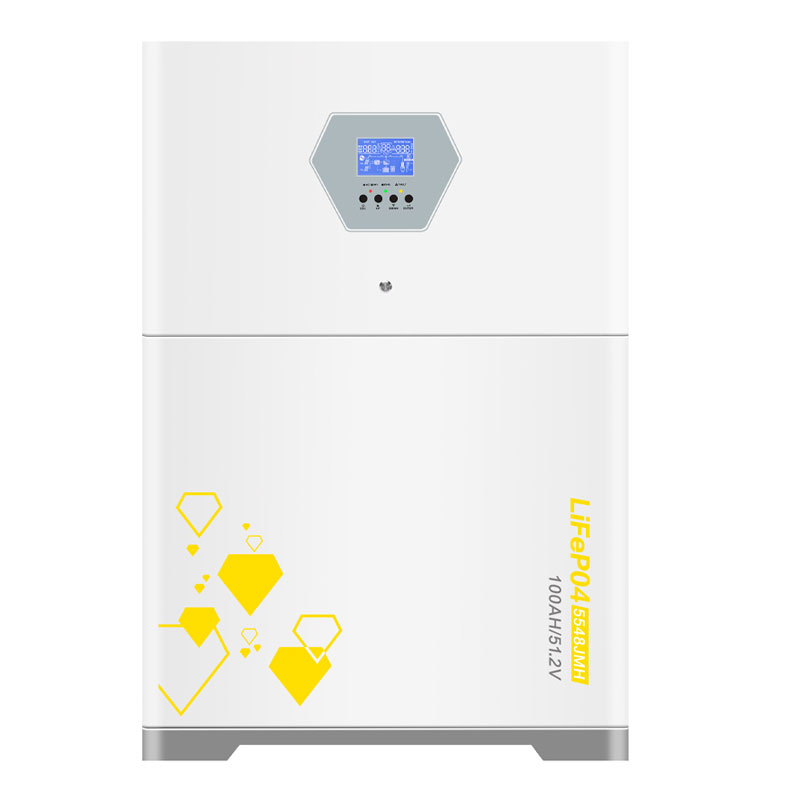
DC-Coupled Systems: Panels connect directly to a DC optimizer or MPPT controller, then to a hybrid inverter that manages batteries and grid. Better for new installations with integrated storage.
2. Key Differences and Comparison
Use this table to evaluate:
| Aspect | AC-Coupled | DC-Coupled |
|---|---|---|
| Efficiency | 90-95% (multiple conversions) | 95-98% (direct DC path) |
| Cost | Lower upfront (retrofit-friendly) | Higher initial, better long-term ROI |
| Scalability | Easier battery addition | Integrated expansion |
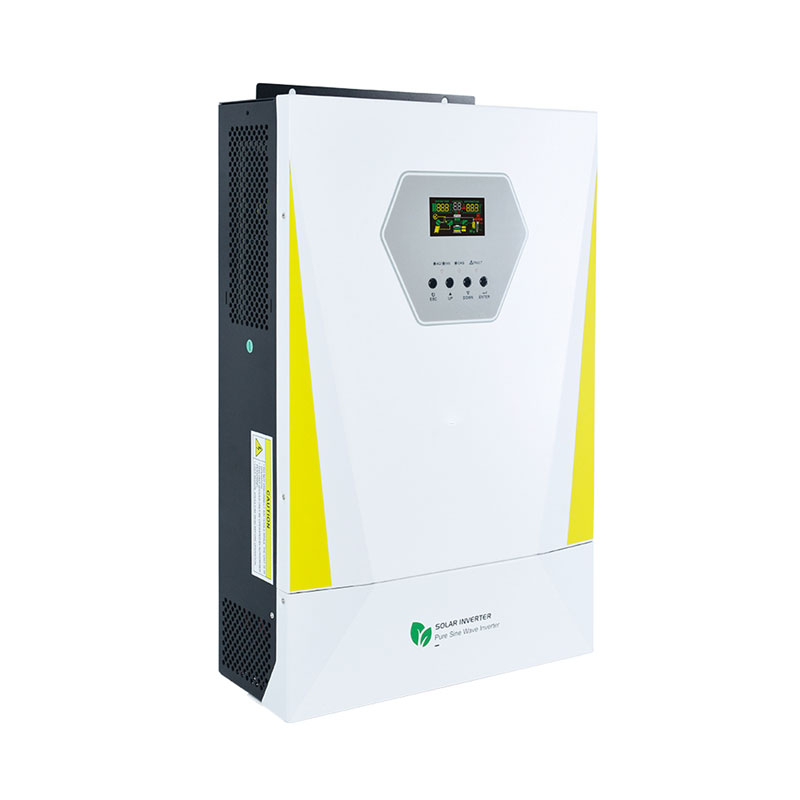
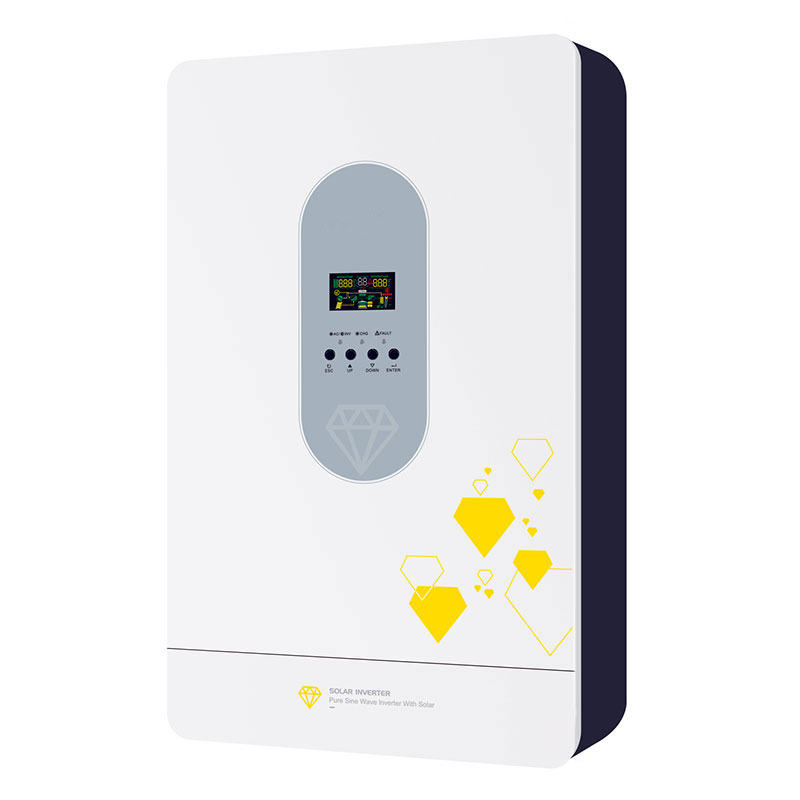
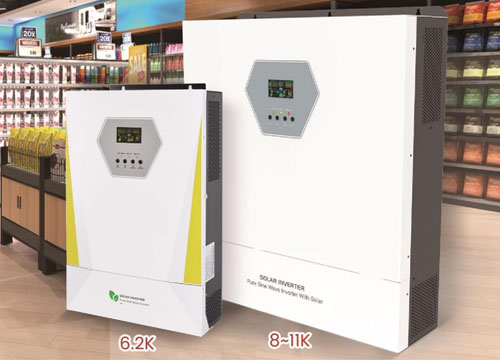
| DeRun Example | GD series with AC battery inverter | BJ series direct DC integration |
For B2B, DC-coupled often wins for new projects (5-10% efficiency gain per NREL studies), while AC suits upgrades.
3. Pros and Cons for B2B Applications
AC-Coupled Pros: Modular, compatible with existing inverters. Cons: Lower efficiency.
DC-Coupled Pros: Higher yield, simpler wiring. Cons: Less flexible for retrofits.
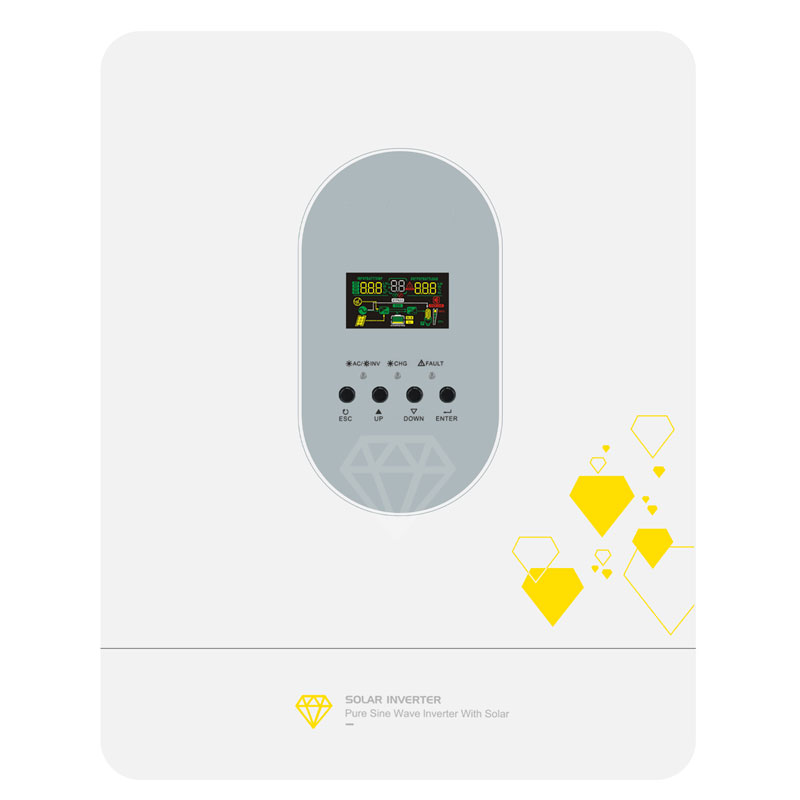
DeRun GD series excels in AC-coupled retrofits, while BJ's touch screen aids DC monitoring.
4. Real-World Case Study
A US commercial farm used DeRun GD in AC-coupled setup, adding batteries without replacing panels, saving 30% on upgrade costs.
Conclusion: Choose Based on Your B2B Needs
AC-coupled for flexibility, DC-coupled for efficiency. DeRun's hybrid inverters support both—explore at www.deruninverter.com/hybrid-solar-inverter/.
Contact us for project-specific advice.
Optimize Your Hybrid Solar System Today
Get expert guidance from DeRun Inverter.
Free Consultation Browse Hybrid Series