In regions prone to frequent grid outages, businesses and households can lose millions in productivity and face equipment damage. But what if your power system could switch seamlessly without even a flicker? Hybrid inverters are revolutionizing green energy by providing reliable, uninterrupted power during blackouts.
Grid interruptions are a growing concern worldwide, with economic losses estimated in the billions annually. Whether due to storms, infrastructure failures, or high demand, these outages disrupt daily life. Hybrid solar inverters address this by intelligently managing solar, battery, and grid power sources.
At DeRun Inverter, we specialize in high-quality hybrid solutions that ensure energy independence. In this guide, we'll explore how these inverters achieve seamless switching, drawing from our GD and BJ series products.
1. What Are Hybrid Inverters?
Hybrid Solar Inverters: Also known as on-grid/off-grid inverters, they combine the best of both worlds: operating independently (off-grid) or connected to the utility grid (on-grid). Unlike pure off-grid inverters like our ED or UD series, hybrids allow you to sell excess power back to the grid or draw from it when needed.
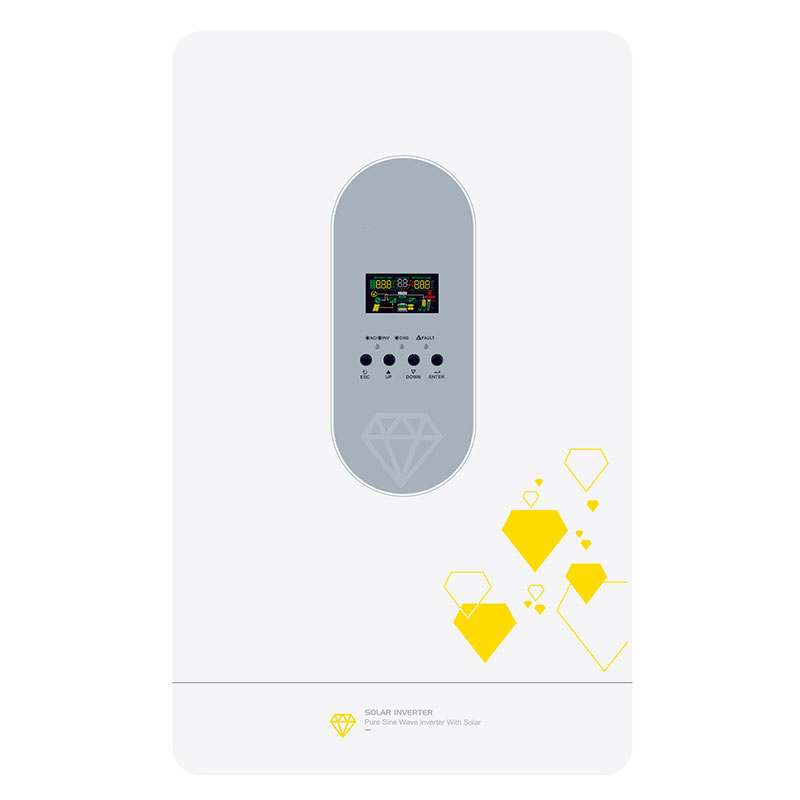
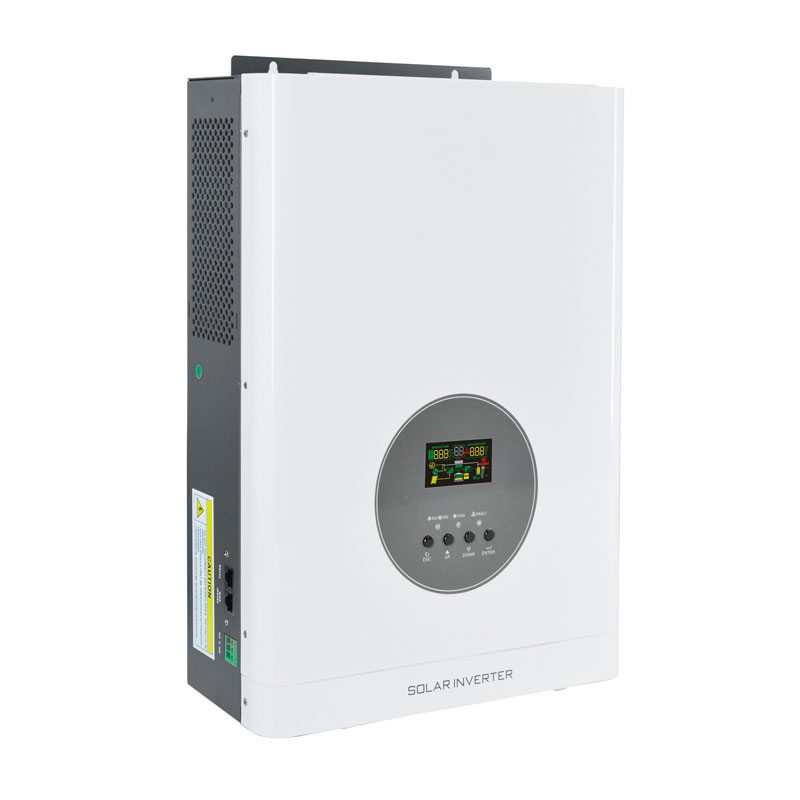
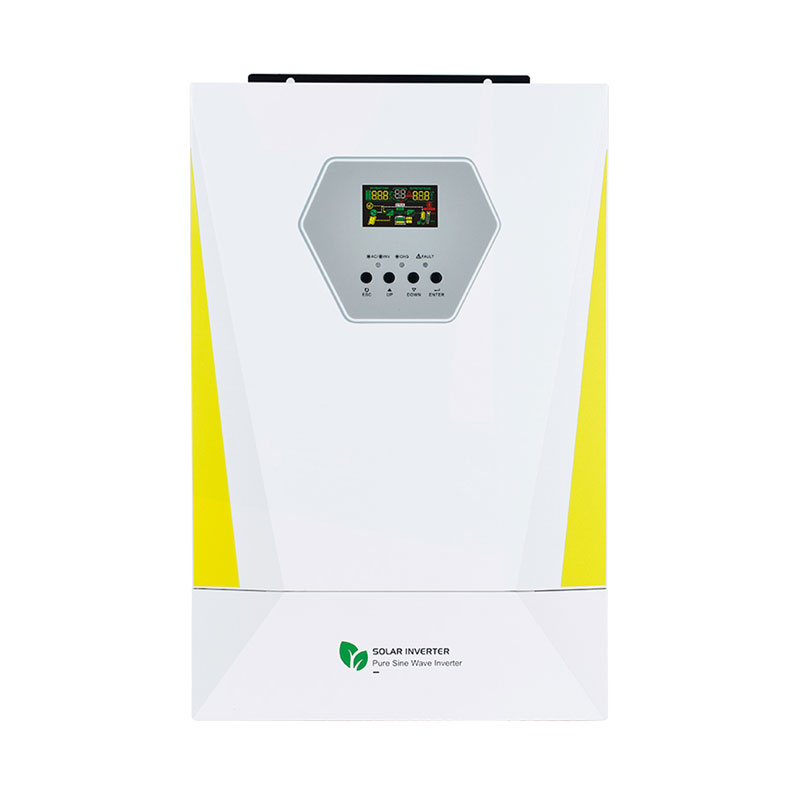
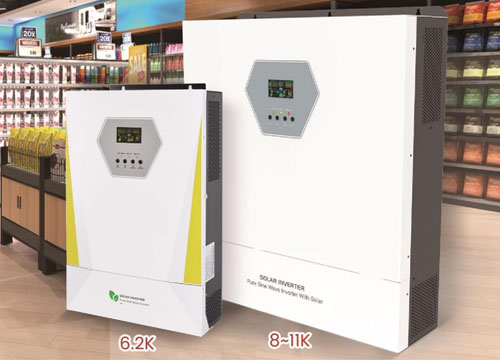
Key features include support for solar panels, battery storage, and grid integration, with efficiency up to 98% for minimal energy loss. Our GD Series features high-frequency hybrid technology with multi-unit paralleling for scalable power, while the BJ Series adds a user-friendly touch color screen for intuitive operation and monitoring.
2. How Seamless Switching Works
Seamless switching is the core of hybrid inverters' reliability. These devices use advanced sensors to monitor grid voltage and frequency in real-time. When an outage is detected—often in less than 10 milliseconds—the inverter automatically transfers the load to battery or solar power without interruption.
This is achieved through built-in uninterruptible power supply (UPS) functionality or automatic transfer switches (ATS). High-frequency designs, like those in our GD and BJ series, enable rapid response times, ensuring lights stay on and equipment runs smoothly.
| Step | Description |
|---|---|
| Grid Monitoring | Constant checks for stability. |
| Outage Detection | Instant identification of failures. |
| Power Transfer | Switch to stored energy. |
| Grid Restore | Seamless re-synchronization. |
Our inverters' wide voltage input adapts to varying grid conditions, enhancing reliability. Efficiency reaches 98%, minimizing waste during transitions.
3. Pros and Cons for B2B Applications
Pros: Uninterrupted power protects sensitive equipment; energy savings through high efficiency and grid sell-back; scalability with GD Series paralleling; user-friendly BJ Series touch screen.
Cons: Higher initial cost compared to basic inverters, but offset by long-term ROI.
With 24/7 technical support and global after-sales service, DeRun ensures worry-free operation.
4. Real-World Case Study
A seaside resort using our BJ Series maintained operations during storms, switching seamlessly to battery power, saving on downtime costs.
5. How to Choose the Right Hybrid Inverter
Select based on grid stability, load type, and preferences. For stable grids, choose GD or BJ Series; for inductive loads, consider UD Series robustness.
Conclusion: Enhance Your Energy Reliability
Hybrid inverters provide a robust solution for seamless power during grid outages. DeRun's GD and BJ series exemplify this technology.
Contact us for project-specific advice.
Optimize Your Hybrid Solar System Today
Get expert guidance from DeRun Inverter.
Free Consultation Browse Hybrid Series