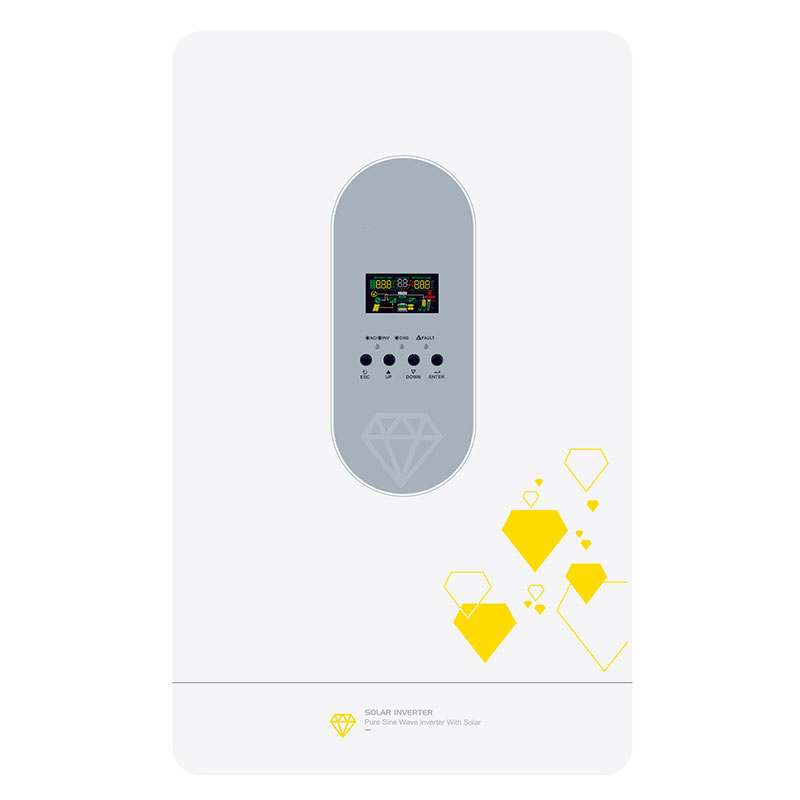
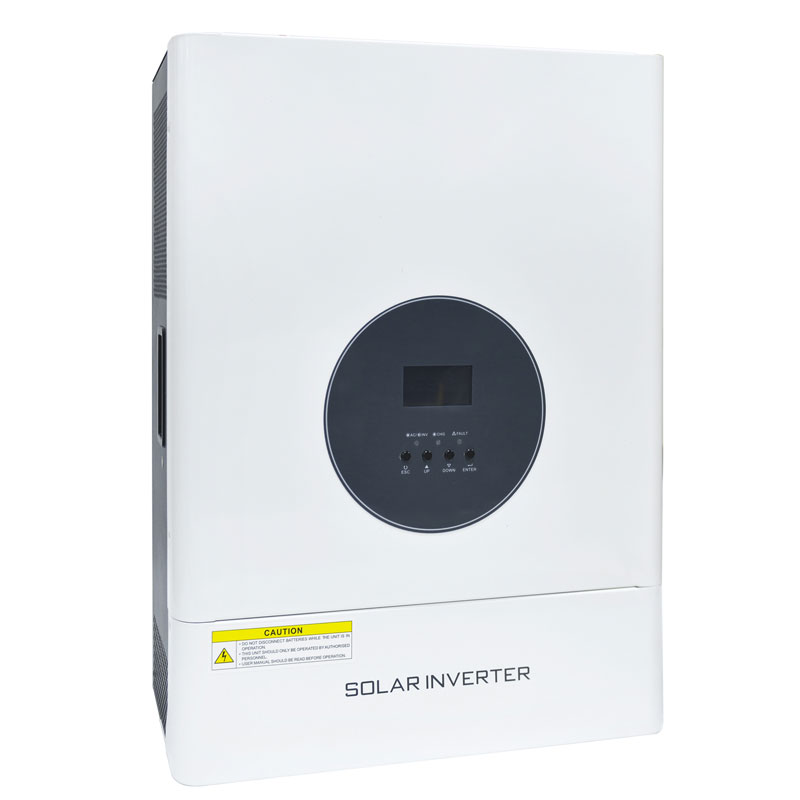
If you work in the solar industry—whether as a distributor, installer, EPC contractor, or system designer—you already know how critical the inverter is. It acts as the “brain” of the entire system. Yet surprisingly, one question still appears frequently during project planning: How exactly does an off-grid inverter operate in different scenarios?
Many end users assume an inverter simply turns DC into AC. But professionals like you understand there is much more happening behind the scenes—especially when the inverter has to balance solar generation, battery storage, and load demand in real time. Misunderstanding these operating modes can lead to oversizing, poor system autonomy, customer complaints, or even equipment failure.
That’s why mastering the operating logic of off-grid inverters is essential for building reliable systems. Today, we will dive into the key modes, how they interact, and why the right inverter architecture can make or break a project.
Why Operating Modes Matter More Than You Think
Imagine a rural telecom station relying on solar and batteries. If the inverter’s battery mode doesn’t activate quickly enough during low-sunlight hours, the load drops. If the bypass mode fails, the generator runs longer than necessary. If the solar charging logic is inefficient, battery aging accelerates.
In other words: operating modes directly affect system uptime, energy efficiency, and long-term cost.
A good inverter is not just powerful—it is intelligent. And understanding that intelligence helps you choose the right model for your customers.
Solar Mode: When Solar Takes Priority
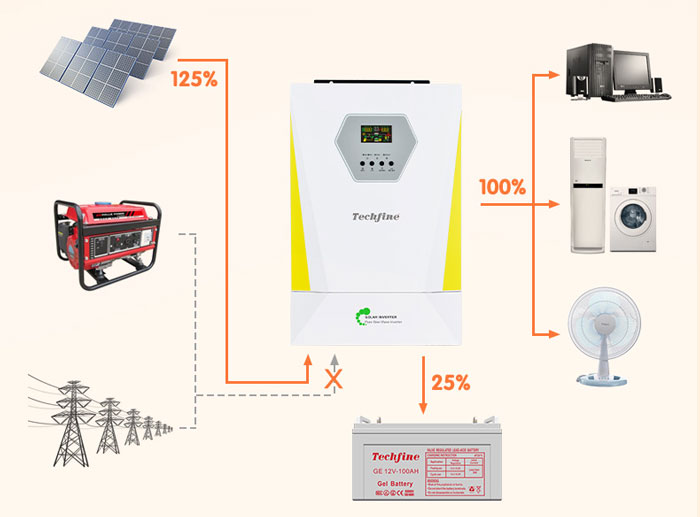
During daylight, the system typically shifts to solar mode, where the inverter draws energy from the PV array first. This ensures maximum self-consumption and protects the battery from unnecessary cycling.
The best off-grid inverters use MPPT technology, allowing them to track real-time solar input and convert it at up to 98% efficiency. In areas with fluctuating sunlight—mountainous regions, islands, and tropical climates—MPPT stability becomes essential.
If your customers frequently complain about inconsistent charging, chances are the inverter’s solar mode is poorly optimized. Engineers notice the difference immediately when switching to a higher-quality MPPT design.
Here is where you can naturally recommend a product:
For example, our ED Series Low-Frequency Off-Grid Inverter provides stable MPPT charging even under fast-changing irradiance conditions. Learn more here:
https://www.deruninverter.com/off-grid-solar-inverter/
Battery Mode: Your Last Line of Defense
Once the sun sets or loads exceed solar generation, the inverter enters battery mode. A well-designed inverter will switch seamlessly without interrupting sensitive equipment—whether powering medical devices, marine systems, or rural homes.
Professionals should pay close attention to:
Battery discharge current handling
Voltage drop protection
Smooth AC waveform output
Deep-cycle battery compatibility
This mode is where cheaper inverters often fail. When voltage fluctuates or output becomes distorted, appliances trip or fail prematurely. Customers depend on stability, especially in regions where grid access is unavailable.
Bypass Mode: The Silent Protector
Contrary to popular belief, bypass mode isn’t just a backup—it’s a strategic protection mechanism.
When loads momentarily exceed inverter capacity, or when the inverter needs to rest, bypass mode can shift the power source directly to an auxiliary input (grid or generator). This prevents overloads, extends inverter lifespan, and allows maintenance without shutting down the system.
In many rural or industrial applications, generators are still widely used. A robust bypass system ensures smooth switching and prevents flickering or equipment resets.
AC Charging Mode: When Reliability Meets Flexibility
There are times when solar simply isn't enough: unusually cloudy seasons, unexpected load spikes, or emergency backup requirements. In these situations, AC charging mode becomes invaluable.
A generator or grid input charges the batteries safely under controlled current settings. Quality inverters allow adjustable charging current, giving installers the flexibility to match the charging speed with battery bank size and generator capacity.
This prevents generator overload and extends battery life—a combination B2B buyers always appreciate.
Hybrid Charging Mode: Solar + AC Working Together
In challenging environments, relying on a single energy source is not always practical. That’s where hybrid charging comes in.
Hybrid mode merges solar power with AC input to accelerate battery charging. This is especially useful for:
Telecom base stations
Remote farms
Disaster-relief power stations
Boats and marine applications
When properly configured, hybrid charging ensures uninterrupted service even during prolonged cloudy periods. It is one of the most valued features among professional installers.
Putting It All Together: A Smart, Adaptive Energy System
The beauty of an off-grid inverter is not in any single mode, but in how smoothly it transitions between them. Whether prioritizing solar, protecting batteries, or coordinating with a generator, the inverter orchestrates everything behind the scenes.
When explaining this to customers, painting a clear picture helps them understand why a high-quality inverter is worth the investment. A system that responds intelligently to changing conditions saves fuel, reduces battery wear, and minimizes downtime. And that’s exactly what commercial and industrial clients care about.
Final Thoughts
Understanding these operating modes gives you a stronger foundation for system design and product selection. Whether you are sizing an inverter for an island villa, a rural clinic, or agricultural irrigation system, knowing how each mode works allows you to build solutions that last.
As the demand for energy independence grows, off-grid systems will become more complex—making inverter intelligence even more critical. If you offer your customers stable performance, long service life, and predictable costs, you are already one step ahead of competitors.
If you’d like help choosing the right inverter for your next project, feel free to reach out. DeRun Inverter supports OEM/ODM solutions and provides technical guidance for partners worldwide.