Introduction: Why Testing and Commissioning Matter
In today’s fast-growing solar industry, reliability is everything. For distributors, EPC contractors, and project developers, ensuring that every solar inverter performs flawlessly before it leaves the factory is critical. A single faulty inverter can lead to costly downtime, installation delays, or even customer dissatisfaction.
That’s why testing and commissioning are essential stages in the inverter production and delivery process. They serve as the final assurance that each inverter meets safety, efficiency, and performance standards before installation on-site.
This guide explains how professional manufacturers like DeRun Inverter test and commission solar inverters—so you can understand what to look for when evaluating suppliers and ensure long-term success for your solar business.
1. Understanding the Purpose of Pre-Delivery Testing
Before a solar inverter is shipped, it must go through a thorough pre-delivery inspection and testing process. This ensures that:
Every inverter meets international safety and efficiency standards (such as CE, ISO, and IEC).
The inverter operates correctly under rated load and temperature conditions.
The firmware and MPPT control systems function precisely as designed.
All protection systems (overvoltage, short-circuit, and temperature) are reliable.
In other words, pre-delivery testing is the foundation of quality assurance. It’s the final checkpoint between production and the real world.
For B2B buyers, working with a manufacturer that prioritizes such rigorous testing means fewer product returns, less downtime, and greater confidence in your brand reputation.
2. Key Stages in Solar Inverter Testing and Commissioning
Let’s walk through the essential steps manufacturers should follow before shipping an inverter to clients.
Step 1: Visual and Mechanical Inspection
Before connecting to any power source, engineers carefully examine the inverter’s physical build.
Housing and casing check: ensuring no dents, cracks, or loose screws.
Wiring and connectors: confirming correct assembly and secure cable connections.
Cooling system check: verifying that fans, heat sinks, and air vents are properly installed and clean.
This step ensures the inverter’s mechanical integrity and readiness for electrical testing.
Step 2: Electrical Parameter Verification
Once the inverter passes the visual inspection, it undergoes detailed electrical testing to confirm it meets specifications.
Key parameters include:
Input voltage range and stability
Output voltage and frequency consistency (50/60Hz)
Conversion efficiency (commonly above 98%)
Waveform quality (pure sine wave verification)
Manufacturers use specialized load banks and oscilloscopes to simulate real-world operating conditions. Only when results meet design standards can the inverter move to the next stage.
Step 3: Functional Testing
The inverter is then powered on to verify functional performance. Engineers test:
MPPT efficiency: ensuring the inverter can track and maximize solar input effectively.
AC/DC conversion accuracy: confirming optimal power transfer with minimal loss.
Charging and discharging control: especially for Hybrid and ESS Solar Inverters, which manage battery systems.
Communication and monitoring systems: including Wi-Fi, RS485, or GPRS functions for data tracking.
At this stage, every control function, from startup to shutdown, is reviewed to ensure the inverter operates safely and intelligently.
Step 4: Protection and Safety Testing
Safety is non-negotiable for solar inverters. A high-quality inverter must be equipped with multiple protective features, such as:
Overvoltage and undervoltage protection
Short-circuit and overload protection
Overtemperature protection
Ground fault monitoring
To validate these systems, engineers simulate abnormal conditions, ensuring the inverter reacts correctly to protect both the system and users.
Step 5: Performance Burn-In Test
Perhaps the most critical stage of all — the burn-in test.
Each inverter runs under full load conditions for several hours (often 8–12 hours) to ensure stability and durability. This test replicates harsh real-world conditions, such as:
Temperature fluctuations
Continuous high current flow
Rapid load changes
Any unit showing performance fluctuations or abnormal heating is flagged for reinspection or rejection.
This process not only guarantees performance but also eliminates early-life component failures—what engineers call the “infant mortality” phase of electronics.
Step 6: Final Quality Inspection and Documentation
Once testing is complete, each inverter receives a unique serial number and a quality report that documents all test results.
For professional B2B buyers, this documentation serves as proof of compliance and reliability.
It also simplifies after-sales service and traceability—ensuring every product shipped can be tracked back to its original production batch.
3. How DeRun Inverter Ensures Reliability and Performance
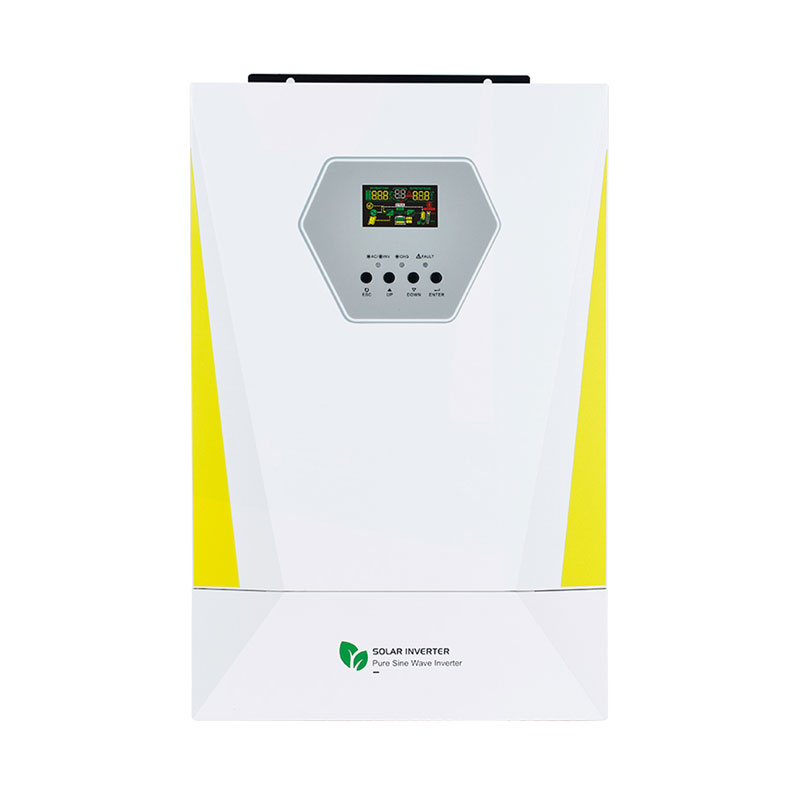
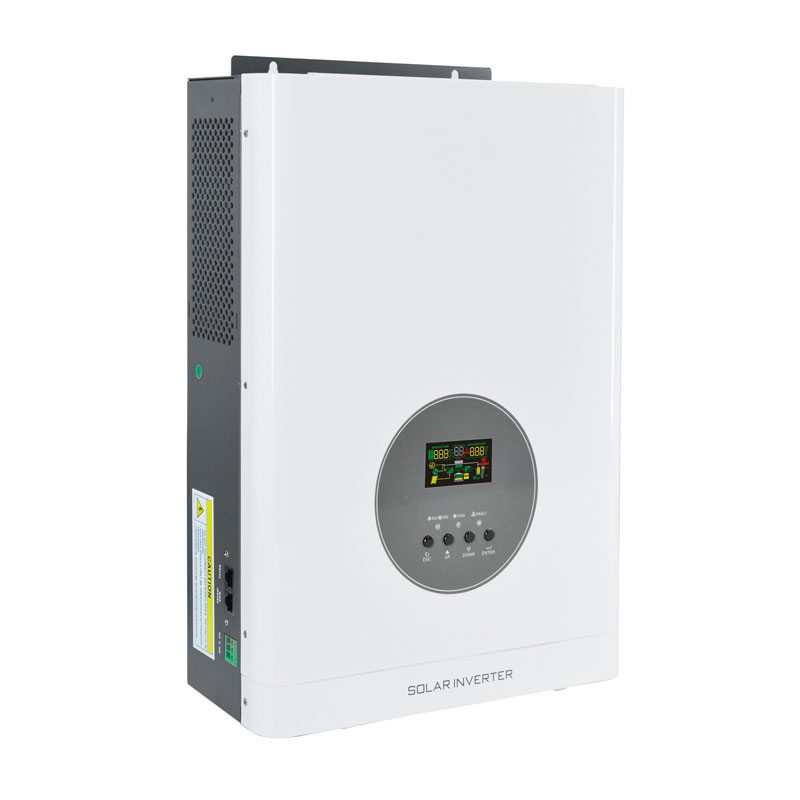
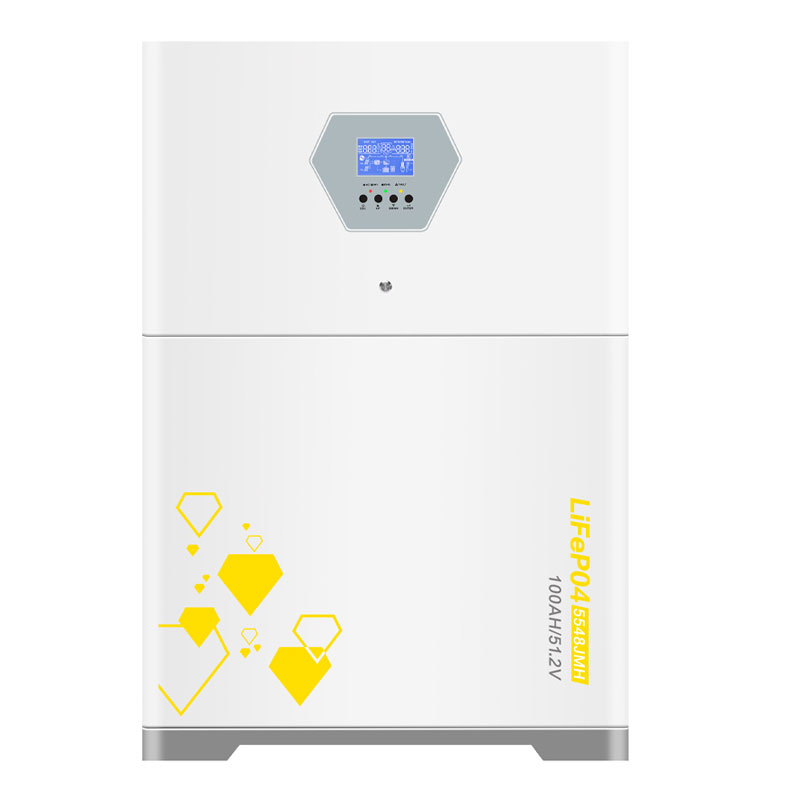
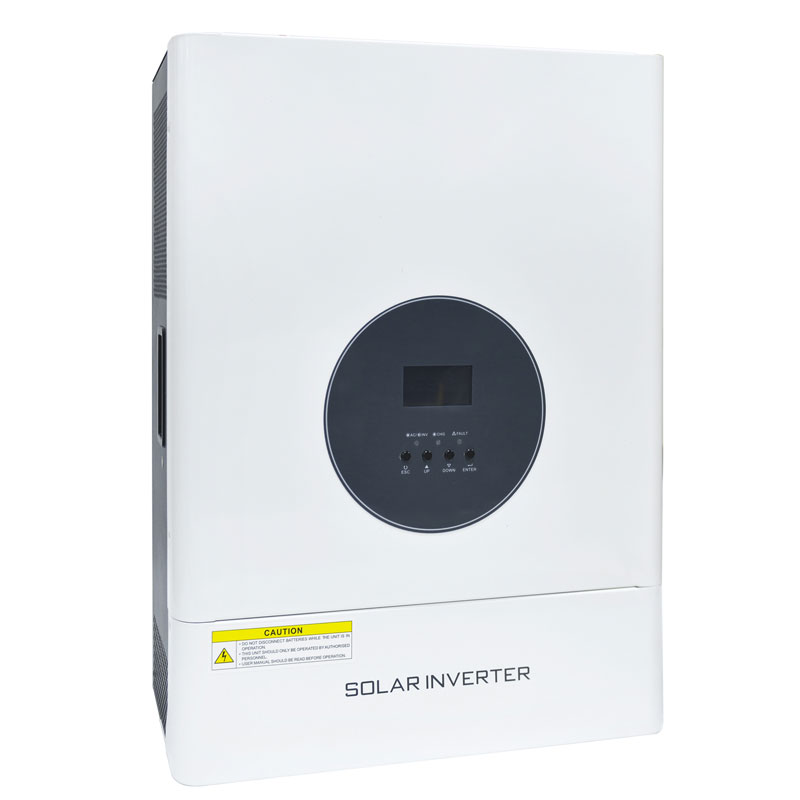
At DeRun Inverter, we take product testing and commissioning seriously. Every Off Grid Solar Inverter, Hybrid Solar Inverter, and ESS Solar Inverter is subjected to a full range of testing procedures before leaving the factory.
Our testing standards include:
100% functional and performance verification for all units.
8-hour full-load burn-in testing in controlled environments.
Strict adherence to ISO9001 quality management and CE safety certification.
Real-time data monitoring during production and final inspection.
This commitment ensures every inverter we ship performs reliably, even under the toughest conditions—whether it’s a remote off-grid installation or an industrial ESS system.
Explore our Off Grid Solar Inverter UD Series— designed for marine and remote applications, featuring low-frequency architecture, pure sine wave output, and exceptional durability in demanding environments.
By integrating rigorous testing and advanced design, the UD Series ensures reliable off-grid power for your projects worldwide.
4. Benefits of Proper Testing and Commissioning for B2B Buyers
For B2B customers, working with a manufacturer that prioritizes testing provides multiple advantages:
Reduced Risk of Failure – Tested inverters are less likely to malfunction during installation or early operation.
Faster Installation – Commissioned units arrive ready to install, minimizing setup time.
Lower Maintenance Costs – Quality-tested components ensure longer operational lifespan.
Improved Customer Trust – Consistent product quality helps distributors build stronger relationships with their clients.
Better ROI – Fewer warranty claims and system downtime translate into better profit margins.
In essence, quality testing doesn’t just protect the manufacturer’s reputation—it strengthens your business credibility as a solar solutions provider.
5. Commissioning Checklist Before Delivery
Before accepting delivery, B2B buyers can also conduct their own basic commissioning checks:
Review the factory test report provided by the manufacturer.
Verify that all labels, serial numbers, and parameters match the purchase order.
Check for firmware updates or communication compatibility.
Perform a brief power-on test using a controlled AC/DC setup.
This proactive step ensures transparency and confidence before integration into your project.
6. Final Thoughts: Partner with a Reliable Manufacturer
Testing and commissioning are not just technical formalities—they reflect the manufacturer’s dedication to quality and reliability.
At DeRun Inverter, our mission is to deliver solar inverters that meet the highest global standards and perform consistently across diverse applications. Whether you need off-grid solutions for remote sites, hybrid systems for smart energy management, or ESS inverters for large-scale storage projects, we are ready to support your business with proven technology and professional service.
Contact DeRun Inverter today to discuss your solar project requirements, or request a quotation for our tested and certified inverter solutions.