Introduction: Why Durability Matters for Solar Inverters
For solar power systems operating in remote, coastal, or industrial locations, harsh environmental conditions can be the biggest challenge to long-term performance.
High temperatures, humidity, dust, salt mist, and voltage fluctuations can all reduce the lifespan of solar inverters, the most critical component in any photovoltaic (PV) system.
For B2B buyers — whether you are a project developer, EPC contractor, or distributor — inverter durability isn’t just a technical specification. It directly impacts system reliability, maintenance costs, and ROI.
Every inverter failure can lead to downtime, service visits, and customer dissatisfaction, especially in off-grid or marine installations where replacement is difficult.
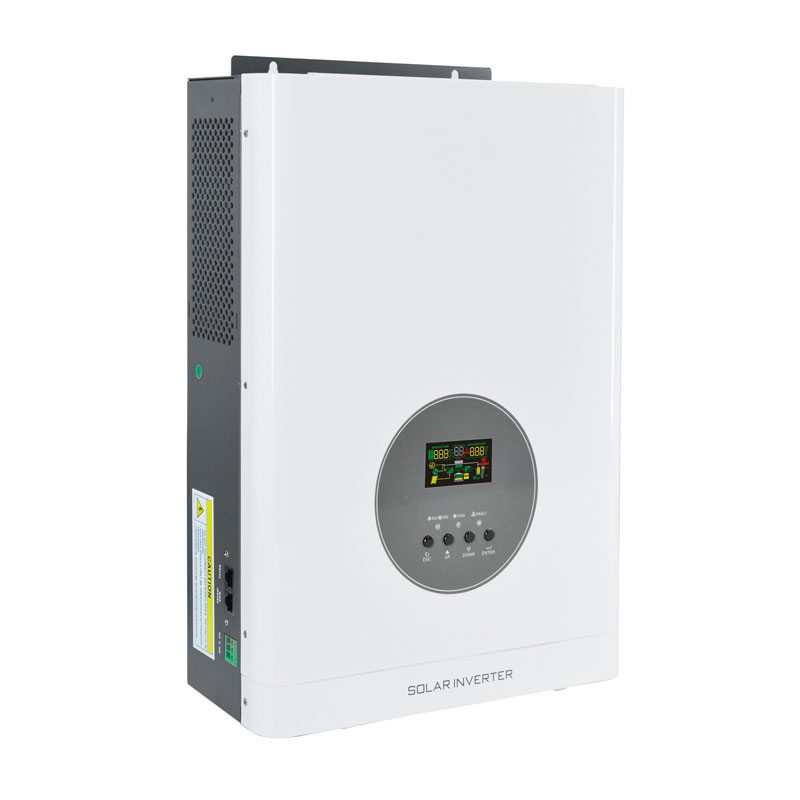
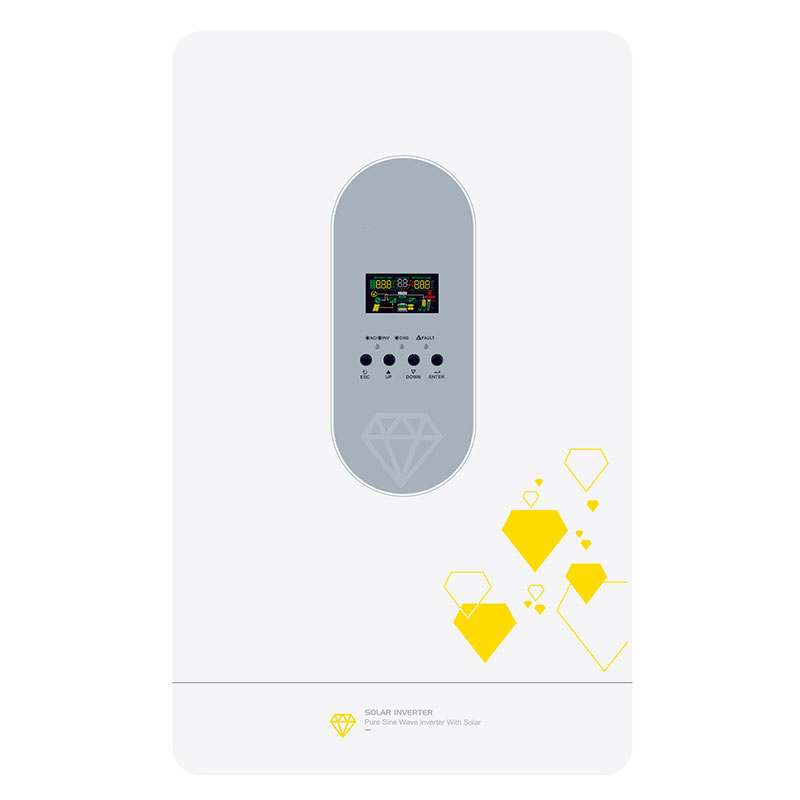
In this article, we’ll explore how environmental stress affects solar inverters, what preventive measures you can take, and how choosing the right inverter design — such as DeRun’s Off Grid Solar Inverter UD Series — can help extend lifespan and ensure reliable operation in the toughest environments.
1. Understanding Harsh Environmental Conditions
Solar inverters are exposed to different types of environmental stress, depending on where they are installed. Below are the most common and damaging conditions:
1.1 High Temperature
Excessive heat accelerates component aging and thermal stress inside the inverter.
Electrolytic capacitors and semiconductors are particularly sensitive to temperature variations.
Prolonged exposure can reduce inverter efficiency and shorten service life.
1.2 High Humidity and Condensation
Moisture can cause corrosion on circuit boards, oxidation of connectors, and short circuits.
In tropical or coastal areas, daily temperature swings create condensation inside enclosures, leading to slow internal damage over time.
1.3 Dust and Sand
Fine particles can clog cooling fans and accumulate on heat sinks, reducing cooling efficiency.
In desert or construction areas, dust infiltration may cause overheating and internal contamination.
1.4 Salt Mist and Corrosive Atmospheres
Marine and coastal environments contain high salt content, which accelerates metal corrosion and PCB degradation.
Without proper protection, inverters installed near the sea can fail within a few years.
1.5 Voltage Fluctuations and Overload
In unstable power networks, voltage surges can damage inverter components.
Off-grid and hybrid systems using generators are especially vulnerable to inconsistent input voltages.
2. How Environmental Stress Affects Inverter Components
Each environmental factor targets a different part of the inverter:
| Component | Affected By | Possible Failure Mode |
|---|---|---|
| PCB Boards | Humidity, Salt Mist | Corrosion and short circuits |
| Cooling Fans | Dust, Heat | Blockage and motor failure |
| Capacitors | High Temperature | Accelerated aging and leakage |
| Connectors | Salt, Moisture | Rust and poor contact |
| LCD Displays | Temperature | Screen fading and malfunction |
| Metal Housing | Salt and Dust | Rust and surface corrosion |
Over time, these issues reduce overall system reliability and increase maintenance costs — a serious concern for commercial-scale or remote installations.
3. Design and Material Strategies to Extend Inverter Lifespan
The best way to improve inverter durability is through preventive design, quality materials, and smart system integration.
Below are key design principles and maintenance tips used by professional manufacturers like DeRun Inverter.
3.1 Choose Inverters with Strong Enclosure Protection (IP Rating)
The Ingress Protection (IP) rating determines how well an inverter is protected from dust and water.
IP65 or above is recommended for outdoor installations.
In extremely harsh areas (marine or desert), IP66/IP67 designs ensure full sealing against salt and dust.
The housing should be made of corrosion-resistant aluminum with UV-resistant powder coating.
3.2 Use Low-Frequency Design for Stability
Low-frequency solar inverters, such as DeRun’s UD Series, use transformer-based architecture, offering superior resilience against surge loads and harsh environments.
Benefits include:
High tolerance for unstable input voltages
Better heat resistance and longer component lifespan
Capability to handle heavy inductive loads (motors, pumps, etc.)
Suitable for marine and off-grid systems
This design sacrifices a small amount of efficiency for much higher reliability and robustness, which is critical in remote projects.
3.3 Enhanced Thermal Management
Heat is one of the top lifespan killers for solar inverters.
Professional-grade inverters integrate multiple thermal protection strategies, including:
High-efficiency heat sinks to dissipate heat naturally
Intelligent fan control for temperature regulation
Automatic power derating in extreme heat to prevent damage
For installations in tropical or desert environments, ensure proper ventilation and shading to reduce solar exposure on the inverter casing.
3.4 Conformal Coating on Circuit Boards
Premium inverters apply conformal coating to protect sensitive electronic components from moisture, dust, and corrosion.
This transparent polymer layer creates a barrier against humidity and salt — especially important for coastal and marine projects.
3.5 Surge and Lightning Protection
Power surges from lightning or grid fluctuations can severely damage inverter circuits.
Choose inverters with built-in surge arresters and input/output protection circuits to safeguard against these risks.
For large systems, external SPD (Surge Protection Devices) and proper grounding are essential.
3.6 Regular Maintenance and Monitoring
Even the best inverter needs regular inspection.
B2B customers managing multiple installations should establish a preventive maintenance plan that includes:
Cleaning dust and debris from ventilation openings
Checking for loose connections or rusted terminals
Monitoring system logs and temperature data
Updating firmware to improve MPPT and safety performance
Smart monitoring platforms, now standard in Hybrid and ESS Solar Inverters, make it easy to track system health remotely.
4. Installation Best Practices for Harsh Environments
Choosing a durable inverter is only part of the solution.
Proper installation practices are equally critical for ensuring long service life.
4.1 Proper Mounting Location
Install the inverter in a shaded, well-ventilated area, away from direct sunlight or heat sources.
Maintain at least 30 cm clearance around the inverter for air circulation.
Avoid locations exposed to wind-driven rain or salty air if possible.
4.2 Waterproof and Dustproof Cable Connections
Use gland-sealed connectors and UV-resistant cables.
Ensure that all DC and AC connections are tightened and properly insulated to prevent corrosion.
4.3 Grounding and Lightning Protection
Proper grounding prevents electric shocks and reduces the risk of lightning damage.
In high-risk regions, consider external lightning arrestors and equipotential bonding.
4.4 Regular Visual Inspections
A simple monthly check can prevent major issues.
Look for warning signs such as:
Fan noise or vibration
Abnormal temperature rise
Rust marks or discoloration on casing
Error messages on display
Early detection is the key to extending inverter lifespan.
5. How to Choose the Right Inverter for Harsh Environments
When purchasing solar inverters for demanding projects, B2B buyers should evaluate not just capacity, but also environmental durability.
Here are the top features to look for:
| Feature | Importance |
|---|---|
| High IP Rating (IP65+) | Protection from dust and water ingress |
| Conformal Coating | Corrosion and humidity resistance |
| Aluminum or Stainless Steel Housing | Prevents salt corrosion |
| Wide Operating Temperature Range | Reliable in heat or cold |
| Low-Frequency Transformer Design | High surge capability and durability |
| Intelligent Cooling System | Prevents thermal damage |
| Certified for Harsh Environments | e.g., CE, ISO, or Marine Grade |
When your project involves marine, remote, or industrial settings, low-frequency inverters are often the best solution.
6. Product Highlight: DeRun Off Grid Solar Inverter UD Series
If your solar project is located in a region with high temperature, humidity, or unstable grid supply, the DeRun Off Grid Solar Inverter UD Series is built specifically for you.
Key Features
Low-frequency pure sine wave output, ideal for sensitive or inductive loads
High surge power capacity (3× rated output) for motors and compressors
Smart fan cooling with overheat protection
Adjustable charging current and voltage for lithium or lead-acid batteries
Optional MPPT solar charge controller (98% efficiency)
Automatic generator start and AC bypass
Robust metal housing with anti-corrosion coating
Why It Excels in Harsh Environments
Withstands tropical humidity and salty marine air
Operates stably in extreme heat or unstable power conditions
Designed for marine, island, and off-grid applications
Learn More About the UD Series →
This inverter is trusted by distributors and system integrators across Asia, Africa, and South America for its reliability and long service life.
7. Partnering with DeRun Inverter for Long-Term Reliability
At DeRun Inverter, we specialize in manufacturing durable, high-performance solar inverters designed to withstand challenging conditions worldwide.
Why Clients Choose DeRun:
Over a decade of solar manufacturing experience
Full product line covering Off Grid, Hybrid, and ESS Solar Inverters
OEM/ODM customization for branding and market differentiation
Professional pre-sales technical support and after-sales service
We understand that B2B customers require not just products — but partnership, consistency, and technical confidence.
That’s why our engineering team collaborates with project developers to design inverter solutions that deliver reliability, safety, and long-term profitability.
Conclusion: Reliable Power Starts with Reliable Design
The harsh environment challenge is real — but it can be managed with smart engineering and quality equipment.
By understanding how temperature, humidity, and corrosion affect inverters, and by choosing products designed for those conditions, businesses can significantly extend inverter lifespan and protect their investment.
Whether your next project is a coastal microgrid, a desert telecom site, or a marine vessel installation, DeRun Inverter provides the robust inverter technology you can depend on.
Contact us for a quote
Looking for durable solar inverter solutions that perform in the toughest conditions?
Partner with DeRun Inverter — your reliable solar inverter manufacturer and OEM/ODM supplier.
Contact Ustoday for a custom inverter solution or a quote for your next project.