As the demand for solar energy grows, so does the need for reliable and efficient solar inverters. However, many B2B buyers, such as wholesalers, distributors, and project developers, still have several questions before making a purchasing decision. In this comprehensive FAQ guide, we will answer some of the most common questions about solar inverters and provide insights into how they can benefit your business.
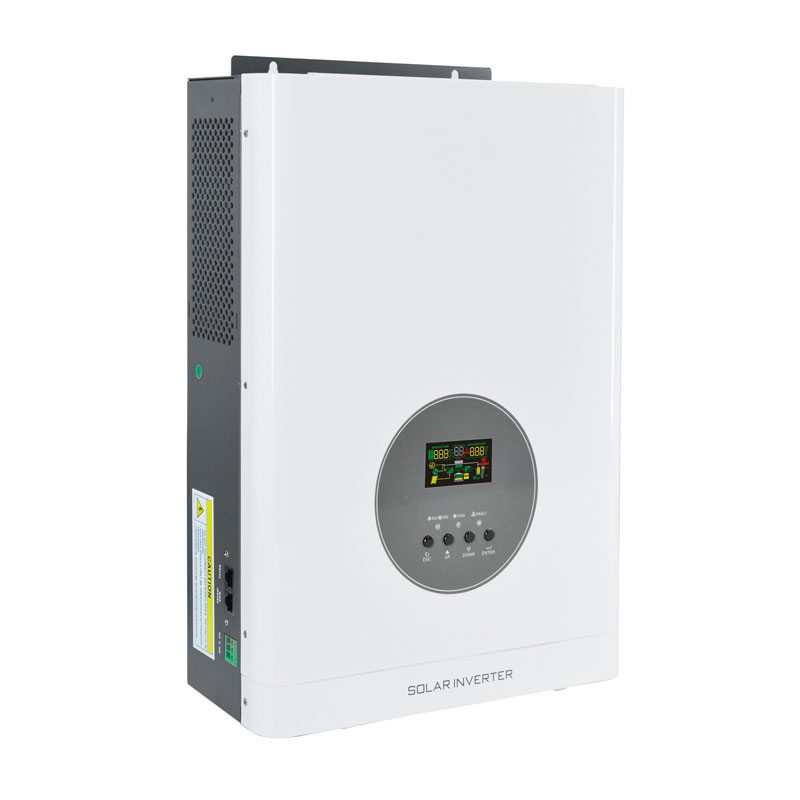
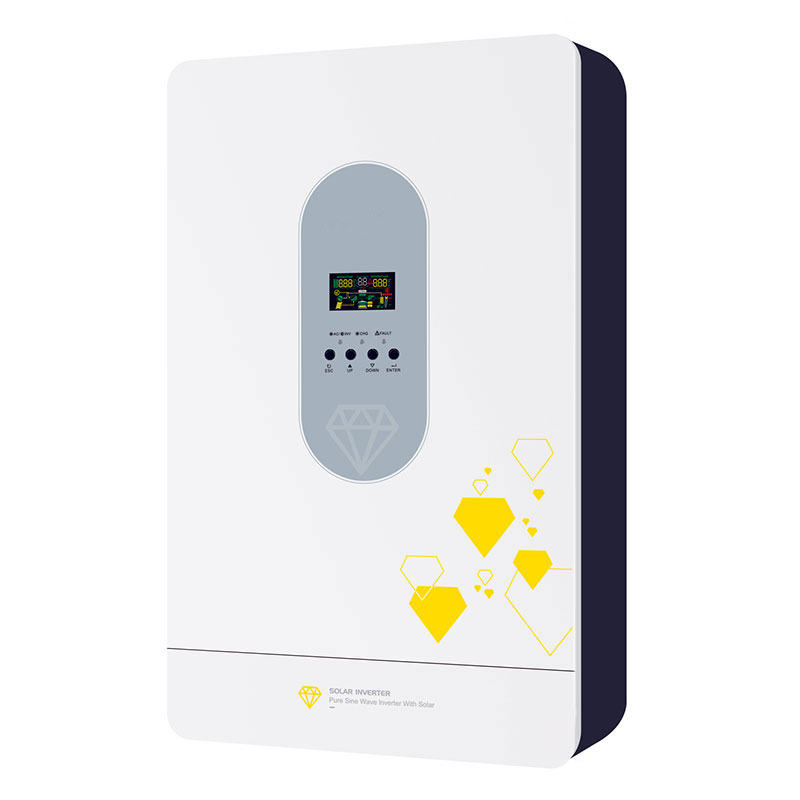
If you’re looking for a reliable solar inverter for your next project, we invite you to explore DeRun’s Off Grid Solar Inverter for your energy needs.
1. What is a Solar Inverter and How Does It Work?
A solar inverter is a device that converts the DC (direct current) electricity generated by solar panels into AC (alternating current) electricity, which can be used to power appliances, machinery, and other electrical systems in your business.
The solar inverter plays a vital role in ensuring that your solar energy system operates efficiently. Without an inverter, the power generated by your solar panels would be unusable, as most commercial and residential equipment relies on AC power.
2. What Are the Different Types of Solar Inverters?
There are several types of solar inverters designed to meet different energy needs:
Off-Grid Solar Inverters: These inverters are used in systems that are not connected to the grid. They store excess energy in batteries for use when there is no sunlight.
Hybrid Solar Inverters: These combine both solar and grid power. They allow you to use solar energy when available and draw from the grid when necessary, offering the best of both worlds.
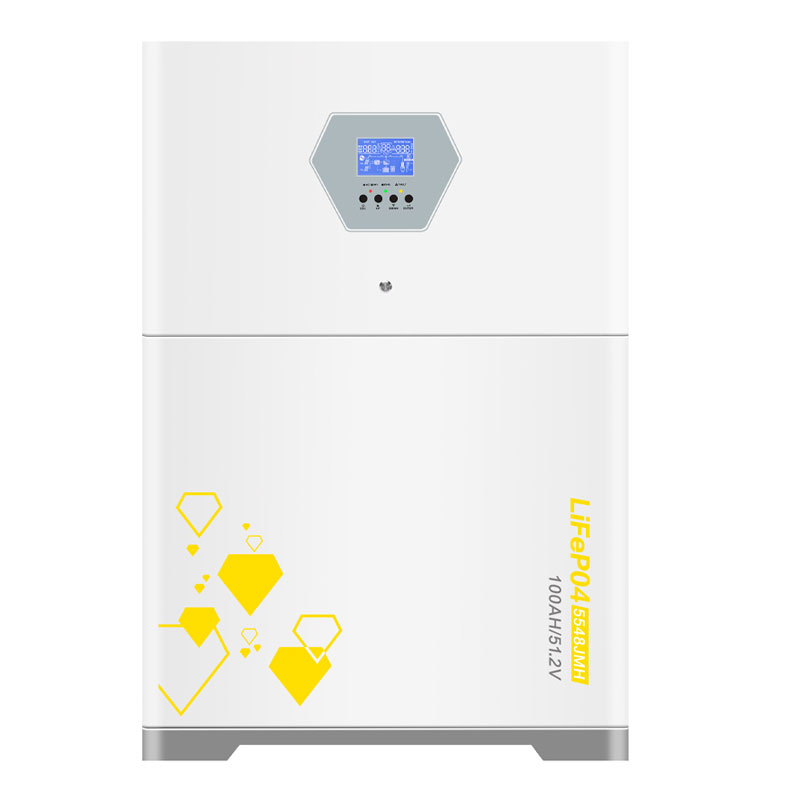
ESS Solar Inverters: Energy Storage Systems (ESS) inverters store excess energy in batteries and are used in systems where continuous power supply is required, even during nighttime or cloudy days.
DeRun’s Off Grid Solar Inverter offers a cost-effective and reliable solution for businesses requiring standalone power solutions. Click here to explore our Off Grid Solar Inverter.
3. How Do I Choose the Right Solar Inverter for My Business?
Choosing the right solar inverter depends on several factors:
Energy Needs: Determine your business’s power requirements. A large industrial facility will have different energy needs than a remote off-grid location.
Grid Access: If you have access to the grid, you may benefit from a hybrid inverter. However, if your business is off-grid, you will need an off-grid inverter or an ESS inverter.
System Size: Consider the size of the solar array and battery storage (if needed) to ensure your inverter can handle the power output.
Efficiency and Reliability: Look for inverters with MPPT technology (Maximum Power Point Tracking) for optimal energy conversion and long-term reliability.
4. What Is MPPT and Why Is It Important?
MPPT (Maximum Power Point Tracking) is a technology used in solar inverters to maximize the energy output of your solar panels. MPPT adjusts the operating point of the panels to ensure they are always working at their highest efficiency, regardless of weather conditions or time of day.
This is particularly important for businesses that want to maximize their solar energy generation, as MPPT ensures that every bit of energy produced is captured and converted into usable electricity.
5. What Are the Key Features to Look for in a Solar Inverter?
When choosing a solar inverter for your business, consider the following features:
High Efficiency: Choose inverters that offer high efficiency to maximize your solar power generation and reduce waste.
Durability: Look for rugged, weather-resistant inverters that can withstand harsh conditions if you’re installing them in outdoor or marine environments.
Warranty and Support: Ensure that the inverter comes with a strong warranty and access to customer support to address any issues that may arise.
Easy Installation: Choose inverters that are easy to install and integrate into your existing solar system, reducing setup time and costs.
6. How Long Do Solar Inverters Last?
Solar inverters typically last between 10 to 15 years, though this can vary depending on the quality of the inverter and the environmental conditions. It’s important to choose an inverter with a strong warranty and technical support to ensure longevity.
To extend the life of your inverter, regular maintenance is essential. This includes keeping the inverter clean, monitoring performance, and ensuring it operates within its recommended temperature range.
7. What Are the Benefits of Using Solar Inverters for My Business?
Cost Savings: Solar inverters help reduce your electricity bills by providing an alternative energy source. Over time, this can result in significant savings for businesses.
Sustainability: By using solar inverters, your business can reduce its carbon footprint and contribute to a more sustainable energy future.
Energy Independence: Solar inverters allow businesses to rely less on the grid, making them more self-sufficient and less vulnerable to power outages or rising electricity costs.
Government Incentives: Many countries offer incentives or subsidies for businesses that invest in renewable energy solutions like solar inverters.
8. How Do Solar Inverters Help My Business Save on Energy Costs?
Solar inverters help businesses save on energy costs by enabling them to generate their own electricity. With a well-designed solar system, businesses can use solar power during the day, reducing their reliance on the grid. Excess energy can be stored in batteries (with ESS inverters) or fed back into the grid (with hybrid inverters) for future use, leading to substantial savings over time.
9. What Are the Installation and Maintenance Costs of Solar Inverters?
The installation cost of a solar inverter depends on the type of system you’re installing (off-grid, hybrid, or ESS), the size of the system, and the complexity of the installation. While initial costs can be higher, the long-term energy savings and government incentives can help offset this investment.
Maintenance costs are relatively low, especially with high-quality inverters. Most inverters require minimal maintenance, such as occasional cleaning and monitoring of performance.
10. How Can I Get Started with Solar Inverter Solutions for My Business?
If you’re ready to invest in a solar inverter for your business, the first step is to evaluate your energy needs and determine the type of system that best fits your goals. Whether you need an off-grid solution for a remote location or a hybrid inverter to take advantage of both solar and grid power, DeRun Inverter offers reliable and efficient options for your commercial energy needs.
Explore DeRun’s Off Grid Solar Inverter to see how our solutions can benefit your business. Click here to get started.
Conclusion
Choosing the right solar inverter is an essential part of any solar energy system. By understanding the basics of how solar inverters work, the different types available, and the key features to look for, buyers can make informed decisions that will help their businesses save money and become more energy-efficient.
For businesses looking for high-quality, reliable solar inverters, DeRun Inverter offers solutions that are efficient, durable, and cost-effective.
Contact us today to get a custom quote and learn more about how our solar inverter solutions can help your business. Request a quote here.