Introduction — Why So Many Businesses Are Moving to Hybrid Solar
Over the last few years, I keep hearing the same complaint from business owners:
“Our electricity bill went up again.”
If you run a warehouse, factory, or farm, I’m sure you’ve felt this too:
Peak-hour electricity costs that just keep rising
Unexpected power outages that disrupt everything
Heavy equipment pushing monthly bills through the roof
Rural or unstable grids that you simply can’t rely on
Honestly, energy has become one of the most unpredictable and stressful parts of running a business today.
And the funny thing is… it’s not just happening in one or two countries.
Almost everywhere I look, business owners are asking the same question:
“Is there a way to stay in control instead of letting the grid dictate everything?”
That’s exactly why hybrid solar systems have taken off so quickly.
What Makes Hybrid Solar Different?
I’ve met many companies that initially wanted a simple grid-tied solar setup.
Then they learned about off-grid systems and asked if that might be better.
But after a few discussions, most end up realizing the same thing:
Hybrid solar gives you the best of both worlds.
To break it down:
A grid-tied system is cheap, but once the grid goes down, you’re stuck
An off-grid system is independent, but heavily reliant on batteries
A hybrid system can do both — save money and keep you running during outages
In other words, it’s the flexible, “always-on” solution:
Use solar when the sun is strong, switch to batteries when electricity is expensive, and rely on backup power when the grid fails.
For businesses, that type of flexibility is gold.
Why Hybrid Solar Is Perfect for Warehouses
I’ve talked to a lot of warehouse owners, and I always hear the same question:
“Do warehouses really need a hybrid system?”
From what I’ve seen — yes, they’re actually one of the best applications.
Here’s why:
Warehouses usually have huge, empty rooftops that are perfect for solar
Most loads are predictable (lighting, security systems, forklifts, cold storage)
Nighttime consumption fits perfectly with battery storage
Outages pose big risks: security failures, damaged perishable goods, etc.
I once saw a warehouse lose thousands of dollars in cold-storage goods because of a two-hour power outage. After that incident, they didn’t even hesitate — they switched to a hybrid system mainly for peace of mind.
For warehouses, hybrid systems aren’t just about saving money…
they’re about risk prevention.
Hybrid Solar in Factories — Where the Real Savings Show Up
Factories are probably the most electricity-sensitive businesses I’ve ever worked with.
You’ve probably experienced this yourself:
Peak-hour prices that feel painfully high
Large equipment creating sudden demand spikes
Production lines where even 10 minutes of downtime is costly
Hybrid systems help factories in very practical ways.
They can:
Use PV power during the day to offset heavy industrial loads
Use batteries to avoid expensive peak-hour electricity
Keep machines running during outages — no waiting for generators
Use smart energy management to optimize every hour of the day
One mid-size food processing plant I visited managed to reduce their bill by around 30%, simply by adjusting when they used solar, battery, and grid power.
They didn’t even change the equipment — just the way energy was controlled.
That’s the power of a hybrid system.
Why Farms Are Turning to Hybrid Solar Faster Than Anyone Else
If I’m being honest, farms might be even better suited for hybrid systems than factories.
You’ve probably seen this too:
Rural grids are unstable
Water pumps and irrigation systems eat electricity
Cold storage and livestock equipment need steady power
Farmland has plenty of sunlight but not always reliable power
I’ve met farmers who originally just wanted solar for a water pump…
but once they saw what a hybrid system could do, they went all in.
With hybrid solar:
Daytime irrigation runs directly on PV
Nighttime cooling shifts to battery power
Remote areas operate independently from the grid
Energy becomes much more predictable and stable
For farms, hybrid systems aren’t a “nice to have.”
They’re a genuine productivity booster.
What to Look for in a Good Hybrid Solar Inverter
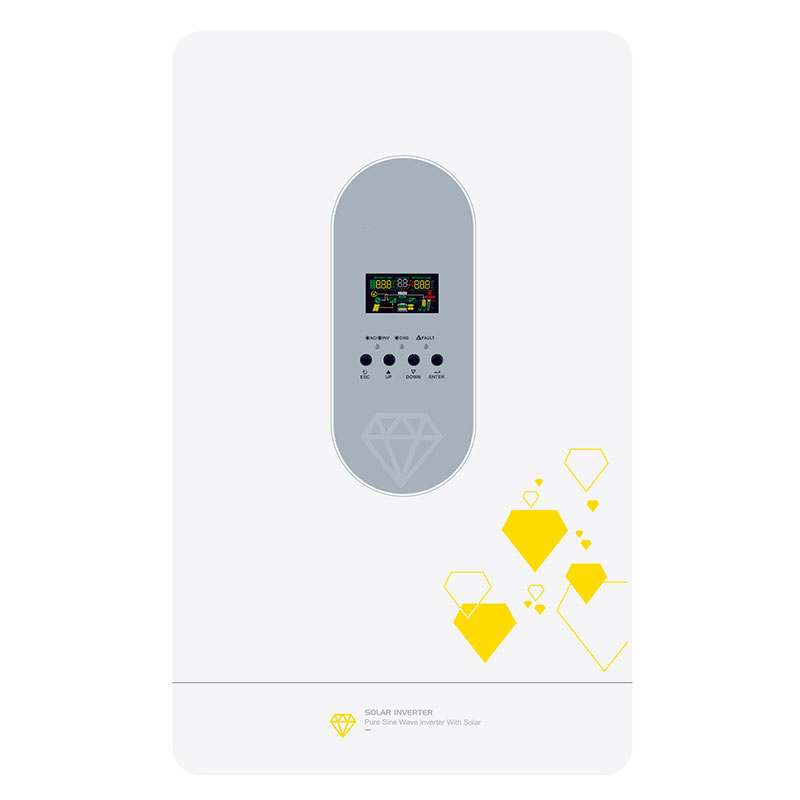
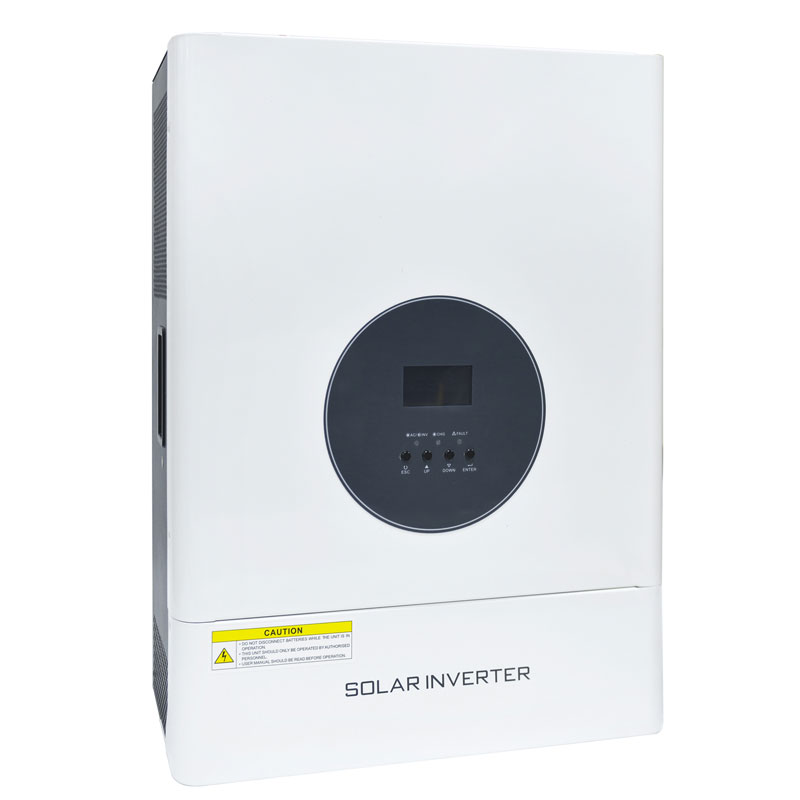
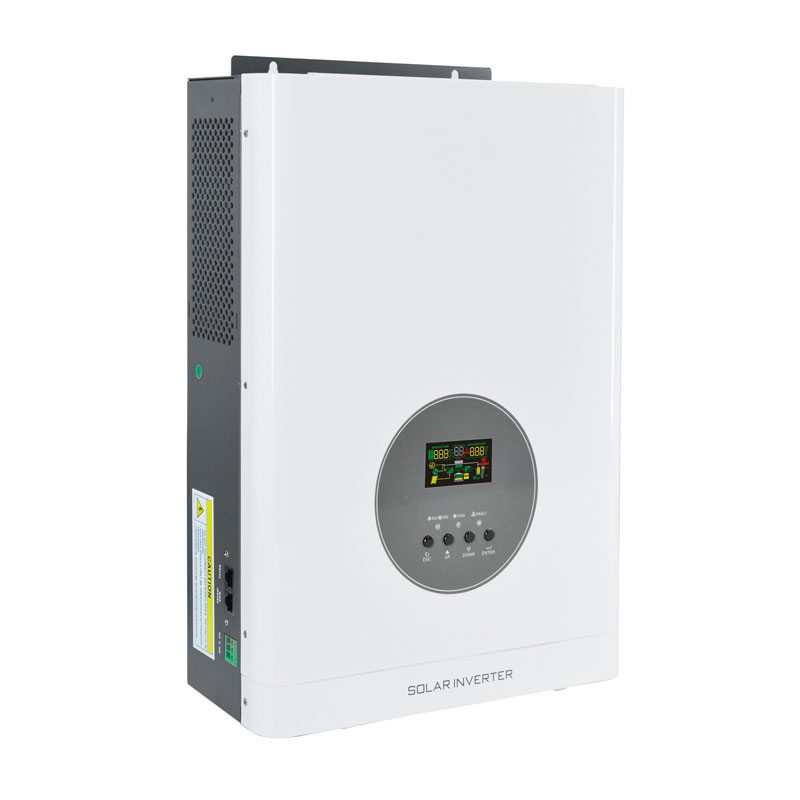
Now, if you’re considering hybrid solar, the inverter is the heart of the system — and not all of them are built for commercial use.
These are the things I always tell businesses to check:
Can it handle industrial or motor-based loads?
Does it deliver a stable pure sine wave output?
Is the PV input range wide enough for real-world conditions?
How efficient is its charging and discharging?
Can multiple units be paralleled for future expansion?
Is there remote monitoring? (This is a big one.)
Honestly, I’ve seen too many projects run into trouble simply because someone tried to “save money” on the inverter.
In commercial settings, that usually backfires.
How Hybrid Solar Actually Saves You Money
A lot of people ask me:
“Where do the real savings come from?”
Let me put it simply:
You use free solar during the day
You use battery power during peak-price hours
You avoid losses caused by outages
You cut down generator usage and fuel costs
I’ve seen many companies drop their electricity bills significantly just by switching to a “PV priority + battery peak-shaving” model.
Energy strategy matters far more than people realize.
How to Start with Hybrid Solar for Your Business
Most companies aren’t afraid of investing — they just want to avoid going in the wrong direction.
Here’s the usual roadmap I recommend:
Analyze your actual load patterns
Decide your main goal: savings, backup power, or both
Design the right combination of PV, battery, and inverter
Check local regulations for grid-connection requirements
Install → test → optimize your energy strategy
If the system is designed correctly, hybrid solar rarely disappoints.
Conclusion — A Real Path Toward Energy Independence
From what I’ve observed, companies don’t choose hybrid solar because it sounds “high-tech.”
They choose it because it’s practical.
Warehouses gain stability
Factories cut costs
Farms gain independence
If you’re exploring ways to reduce operational costs or improve energy reliability, hybrid solar is absolutely worth looking into.
And honestly, every business is different. Your load profile, working hours, and priorities will determine what kind of system makes sense.
If you want to know whether a hybrid solar setup fits your warehouse, factory, or farm, feel free to reach out. I can help you assess the numbers and see what kind of ROI you could realistically expect.