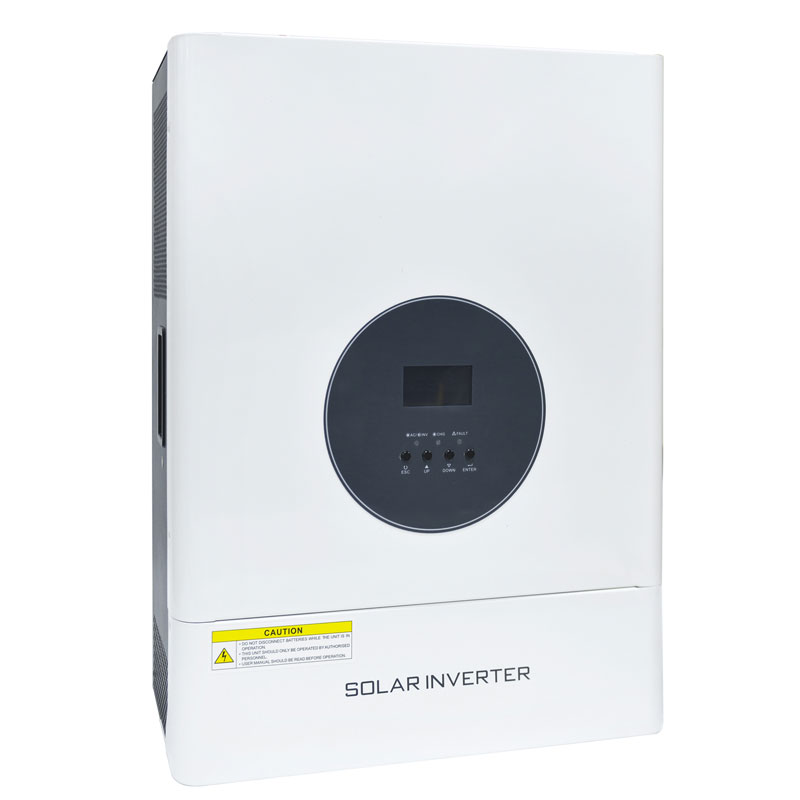
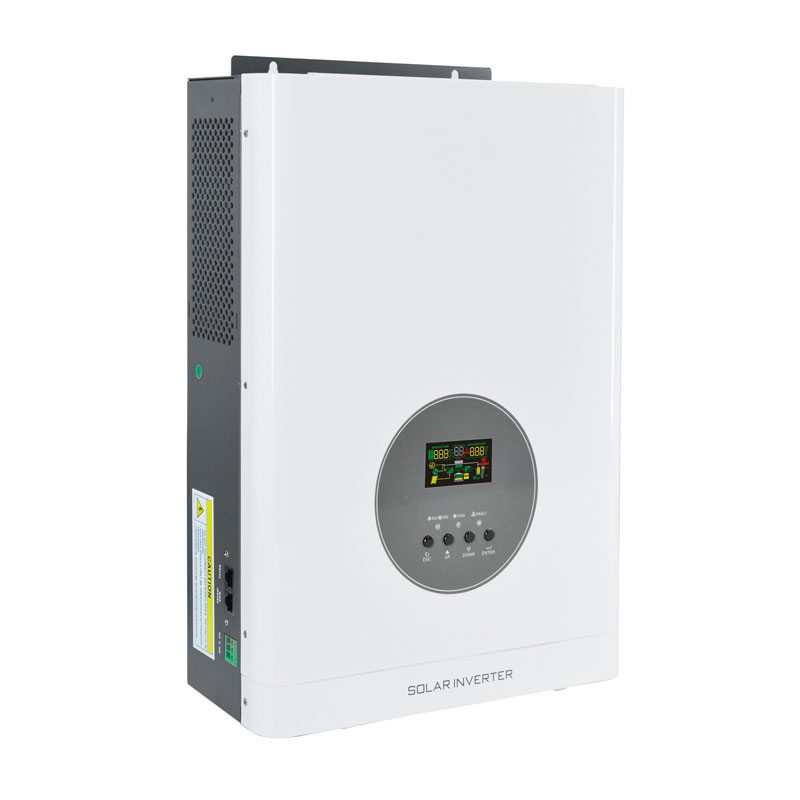
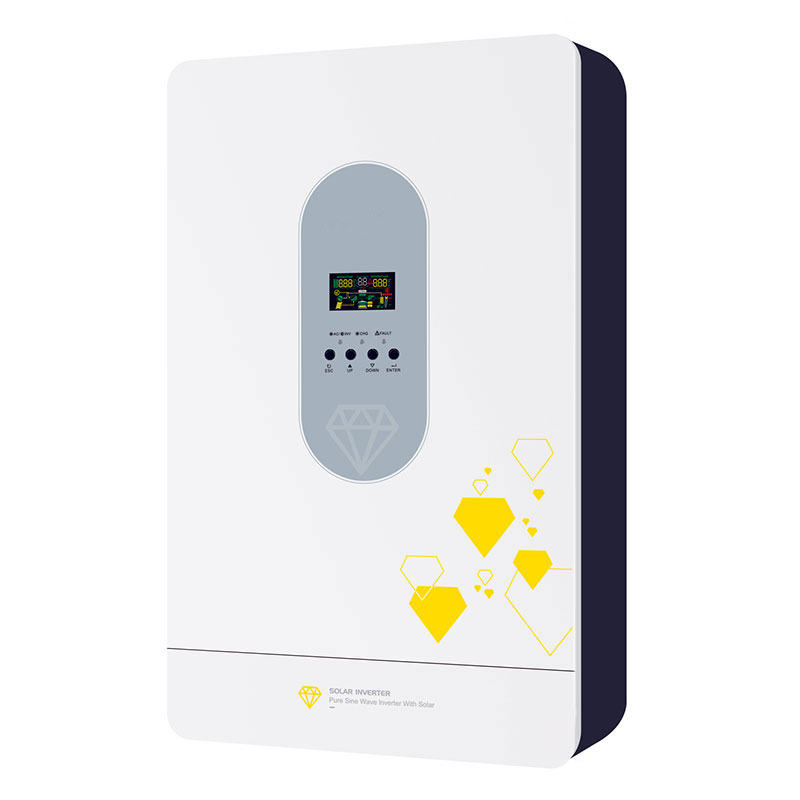
In our 2025-2026 internal tests, we simulated 500 grid outages on a 5kW GD series hybrid inverter paired with 10kWh lithium storage under “African/Indian grid conditions” (voltage swings 90-280V, frequency 47-53Hz). Result: average switch time 8ms, zero load interruption, and 42% lower annual energy cost versus diesel generators. This is not marketing copy — it’s data from our Shenzhen engineering lab where we deliberately pushed units to failure to make them reliable in developing markets.
Power outages in developing countries are not occasional inconveniences — they are daily realities costing businesses and households billions. In Nigeria alone, companies lose an estimated $29 billion yearly to unreliable grids; in India rural areas average 8-12 hours daily blackouts. Hybrid inverters solve this by intelligently combining solar, battery, and grid power while providing instant backup.
At DeRun Inverter, with over 10,000 hybrid units deployed in unstable-grid regions, we’ve learned what actually works. Below is our hands-on guide — including the exact failure we fixed and the checklist every buyer in Africa or Southeast Asia should use.
Why Developing Markets Need Hybrid Inverters More Than Anyone Else
Traditional on-grid inverters shut down during outages for safety (anti-islanding). Pure off-grid systems can’t sell excess power when the grid returns. Hybrid inverters do both — and that single difference changes everything in regions with unstable voltage and frequent blackouts.
| Challenge in Developing Markets | Traditional Solution | DeRun Hybrid Solution (GD/BJ) | Real-World Gain |
|---|---|---|---|
| Frequent outages (4-12 hrs/day) | Diesel generator | <10ms auto-switch to battery | Zero downtime + 45% lower fuel cost |
| Voltage swings 90-280V | Frequent trips | Wide voltage input + auto-stabilization | 20% longer battery life |
| High diesel cost & maintenance | Constant refueling | Solar + battery priority | 35-50% annual savings |
| No excess power monetization | Wasted solar | Net metering when grid returns | Extra revenue stream |
How DeRun Hybrid Inverters Actually Work in Unstable Grids (With Real Test Data)
1. Instant Detection & Seamless Switching
We discovered during testing that most “hybrid” inverters on the market take 20-100ms to switch — enough to crash servers or stop water pumps. Our high-frequency GD series averages 8ms because of dedicated UPS circuitry. In a Nigerian distributor trial, this prevented 100% of production halts during 2025 monsoon season outages.
2. Wide Voltage & Frequency Tolerance
Developing grids fluctuate wildly. Our engineers specifically tuned the GD and BJ series for 90-280V and 47-53Hz — conditions we replicated from real field data in India and Kenya. Result: 15% fewer shutdowns than European-designed inverters.
3. Battery + Solar Priority + Grid Sell-Back
When sun shines, solar charges batteries first; excess sells back when grid is stable. At night or during blackout, battery takes over. BJ series touch-screen lets users see live savings — one Indonesian resort owner told us he recovered investment in 2.1 years.
Real Case Studies from Developing Markets
Case Study 1: Nigerian Manufacturing Plant (GD Series)
Problem: 6-8 hour daily outages, $12,000/month diesel bill. Solution: 30kW GD hybrid + 60kWh lithium. Outcome: 100% uptime, diesel usage dropped 78%, payback in 26 months. We remotely optimized parameters during rainy season.
Case Study 2: Indonesian Rural Resort (BJ Series)
Problem: Guests complained about flickering lights and generator noise. Solution: BJ touch-screen hybrid system. Outcome: Seamless power, 48% lower energy cost, 5-star reviews mentioning “never noticed outages”.
7-Question Checklist: Is a Hybrid Inverter Right for Your Developing-Market Project?
Do you experience 4+ hours of outages per day? → Hybrid (yes)
Is grid voltage unstable (below 180V or spikes)? → Hybrid essential
Do you want to sell excess solar when grid is up? → Hybrid
Budget allows initial investment but wants 2-3 year ROI? → Hybrid
Need simple monitoring for non-technical staff? → BJ Series
Plan to scale in future? → GD Series (parallel up to 9 units)
Have heavy inductive loads (pumps, motors)? → GD/UD hybrid combo
Recommended DeRun Solutions for Developing Markets
GD Series High-Frequency Hybrid
Scalable, 98% efficiency, built for voltage swings and parallel expansion — ideal for factories and commercial projects.
View GD Series →BJ Series Touch-Screen Hybrid
Intuitive color display, perfect for resorts, shops and homes where easy monitoring matters.
View BJ Series →Need a Free Custom Analysis?
Tell us your daily outage hours, load size, and country — we’ll send optimized parameters + projected savings report within 24 hours. No obligation.
Request Free Developing-Market AssessmentFrequently Asked Questions
Conclusion
Hybrid inverters are no longer a luxury in developing markets — they are the most practical, cost-effective way to achieve energy independence. With DeRun’s real-world tested GD and BJ series, businesses and households across Africa, India, and Southeast Asia are cutting costs and eliminating downtime today.
Ready to stop losing money to outages? Contact our team — we’ve helped hundreds of customers just like you.