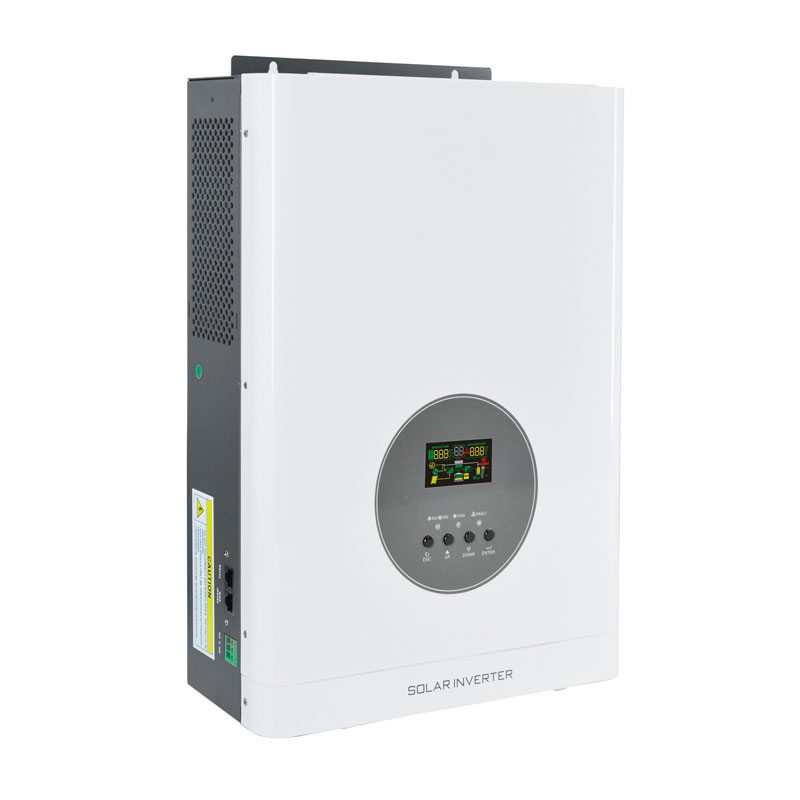
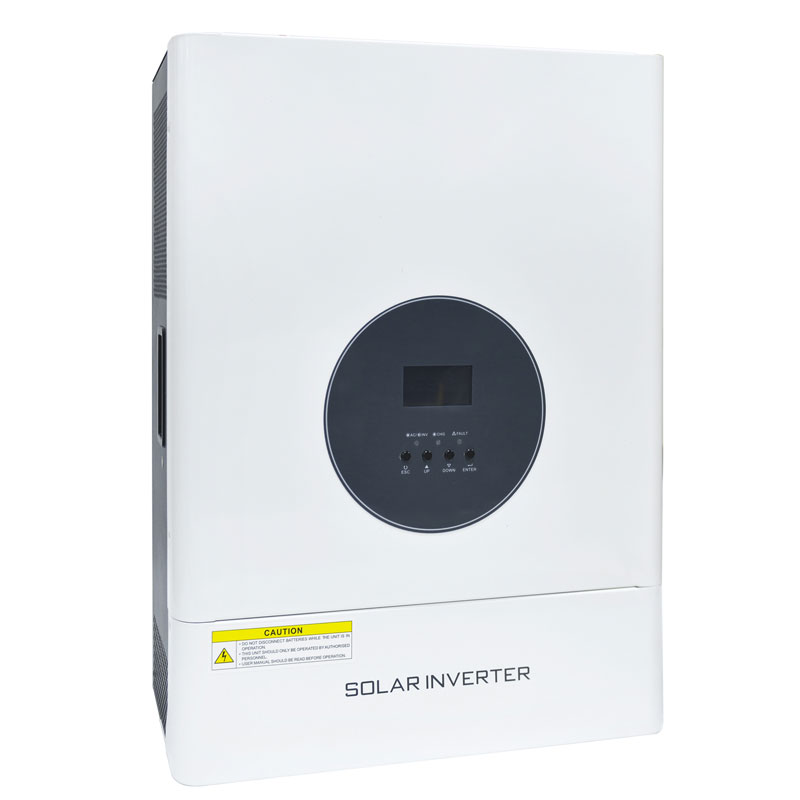
As the global shift toward renewable energy accelerates, solar power has emerged as a leading solution for homeowners and businesses alike. At the heart of every solar installation lies a critical decision: choosing the right inverter.
Understanding the differences between hybrid, off-grid, and on-grid solar inverters is essential to maximizing your energy savings, ensuring reliability, and achieving your sustainability goals. This guide will break down each type of inverter, their pros and cons, and help you determine which solution is the ideal fit for your needs.
Understanding the Basics: Why the Inverter Matters
A solar inverter acts as the "brain" of your solar power system. Its primary role is to convert the direct current (DC) electricity generated by your solar panels into alternating current (AC) power that your home appliances and the electrical grid can use. However, modern inverters do much more than just conversion. They manage energy flow, optimize system efficiency through Maximum Power Point Tracking (MPPT), and ensure grid stability.
On-Grid Solar Inverters: Tied to the Grid for Efficiency
How They Work:
On-grid, or grid-tied, inverters are connected to the public electricity grid. They allow you to use solar power during the day and draw electricity from the grid when your solar production is insufficient, such as at night or during cloudy weather. A key feature is net metering, where excess solar energy you generate is fed back into the grid, earning you credits on your electricity bill.
Pros:
Low Upfront Cost: On-grid systems are the most cost-effective option, as they do not require expensive battery storage.
Net Metering Benefits: By sending surplus energy to the grid, you can significantly reduce your electricity bills.
Simple Installation: With fewer components than other systems, installation is generally straightforward.
Cons:
No Power During Outages: For safety reasons, on-grid systems automatically shut down during a blackout. This means you will be without power even if the sun is shining.
Grid Dependency: You are still subject to grid fluctuations and electricity price changes.
Ideal For:
Homeowners and businesses in areas with a stable, reliable grid who want to lower their electricity bills and have a quick return on investment.
Off-Grid Solar Inverters: Complete Energy Independence
How They Work:
Off-grid inverters are designed for properties that are not connected to the utility grid. They work in tandem with solar panels and a bank of batteries to supply 100% of a site’s energy needs. The solar panels charge the batteries during the day, and the inverter draws from this stored energy to power your home at night or during periods of low sunlight. A backup generator is often used as an additional power source for prolonged bad weather.
Pros:
Total Energy Independence: Off-grid systems offer complete freedom from the utility grid, making them ideal for remote cabins, rural properties, or anyone seeking self-sufficiency.
Immunity to Grid Issues: You are unaffected by power outages, blackouts, or rising electricity prices.
No Electricity Bills: Once the system is paid for, your energy costs are eliminated.
Cons:
High Upfront Cost: The need for a large battery bank and sometimes a backup generator makes this the most expensive system type.
Battery Dependency: Your power supply is limited by the capacity of your batteries. Careful energy management is required to avoid depleting stored power.
Requires Careful Sizing: The system must be meticulously designed to meet your energy demands throughout the year, preventing both undersupply and costly oversizing.
Ideal For:
Remote homes, vacation cabins, and properties in areas with no or unreliable grid access.
Hybrid Solar Inverters: The Best of Both Worlds
How They Work:
A hybrid solar inverter is an advanced 2-in-1 solution that combines the functionalities of a grid-tied inverter with a battery inverter. It intelligently manages power from solar panels, battery storage, and the grid. You can use solar power directly, store excess energy in batteries for later use, pull power from the grid when needed, and even provide backup power during an outage.
Pros:
Backup Power Security: During grid outages, the system can seamlessly switch to battery power to keep your essential appliances running.
Maximized Energy Savings: You can store solar energy and use it during peak evening hours when grid electricity is most expensive, a feature enhanced by Time-of-Use (ToD) tariffs.
Energy Independence & Grid Flexibility: Reduce your reliance on the grid while still having it as a backup, offering peace of mind and resilience.
Future-Proofing: Many hybrid inverters are modular, allowing you to start with a smaller battery bank and expand later as your needs or budget grow.
Cons:
Higher Initial Investment: The inclusion of batteries and a more complex inverter makes hybrid systems more expensive than simple on-grid systems.
Backup Capacity Limited by Battery Size: The duration of backup power during an outage depends on the size and capacity of your battery bank.
Ideal For:
Homeowners in areas with frequent power outages or unstable grids, and those who want to maximize self-consumption of solar energy and protect themselves from rising electricity costs.
Quick Comparison Chart
| Feature | On-Grid Inverter | Off-Grid Inverter | Hybrid Inverter |
|---|---|---|---|
| Grid Connection | Connected | No connection | Connected |
| Battery Storage | Not required | Required | Required |
| Power During Outage | No | Yes | Yes |
| Energy Independence | Partial | Full | High |
| Upfront Cost | Low | High | Medium to High |
| Best For | Stable grid, saving on bills | Remote areas, total independence | Backup power, maximizing solar use |
How to Choose the Right Inverter for Your Home
Selecting the perfect inverter depends on your specific circumstances. Ask yourself these key questions:
What is my location and grid reliability?
Stable Grid: An on-grid system is a cost-effective choice.
Unreliable Grid or Frequent Outages: A hybrid system provides the best balance of savings and security.
No Grid Access: An off-grid system is your only option.
Do I need backup power?
If keeping your lights on during a blackout is a priority, you need a system with battery storage—either a hybrid or off-grid system.What is my budget?
While on-grid systems have the lowest entry cost, hybrid and off-grid systems offer long-term value and independence, offset by higher initial investment.What are my future energy goals?
If you plan to add an electric vehicle or expand your home, a scalable hybrid inverter offers the flexibility to grow with your needs.
The Future is Hybrid and Smart
With battery prices continuing to fall and technology advancing rapidly, hybrid inverters are expected to dominate the residential solar market in the coming years. The future of inverters is also smart—featuring AI-powered energy management, remote monitoring via mobile apps, and integration with smart home systems. These features allow you to optimize energy use based on dynamic tariffs and weather forecasts, maximizing your return on investment.
Conclusion: Make an Informed Choice for Your Energy Future
The debate between hybrid, off-grid, and on-grid inverters is less about which is "better" and more about which is right for your situation.
Choose on-grid for maximum cost-efficiency in grid-connected areas.
Choose off-grid for complete energy independence in remote locations.
Choose hybrid for a resilient, self-sufficient home that remains connected to the grid for ultimate flexibility and savings.
Ready to Take the Next Step?
As a leading manufacturer of high-efficiency solar inverters, we understand that every home and business is unique. Our experts are here to help you navigate these choices and design a system that perfectly fits your energy needs and budget.
Contact us today for a free consultation and discover how our reliable, smart inverter solutions can power your future.