A Practical Guide for Businesses Looking to Improve Energy Efficiency and Reduce Operational Costs
In recent years, energy costs, grid instability, and sustainability requirements have pushed businesses across the world to rethink how they power their operations. Whether you manage a commercial facility, run a manufacturing plant, or operate distributed branches, one thing is clear: reliable and cost-efficient energy is no longer optional — it is a necessity.
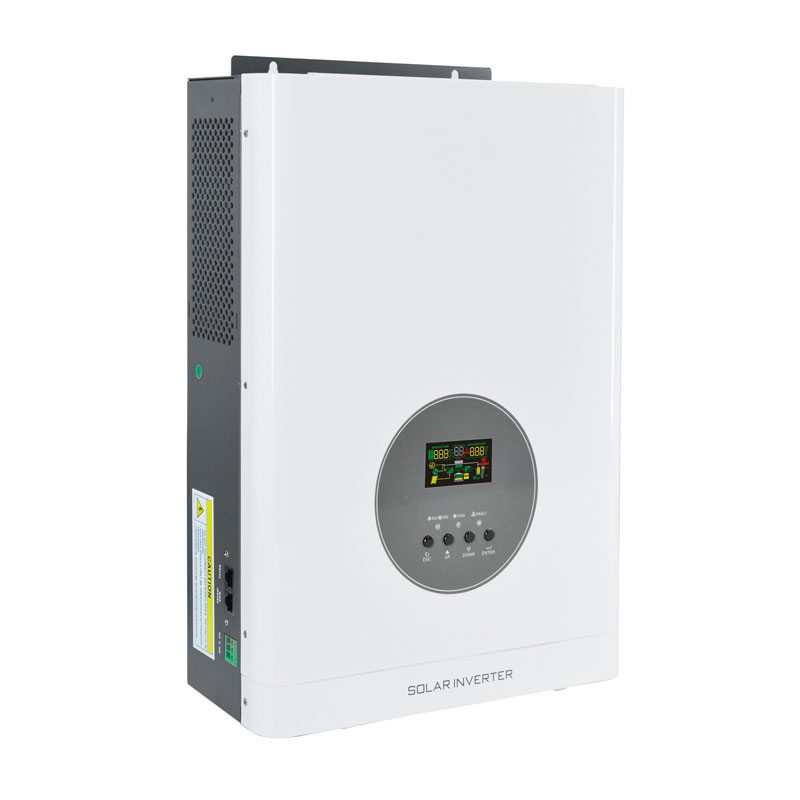
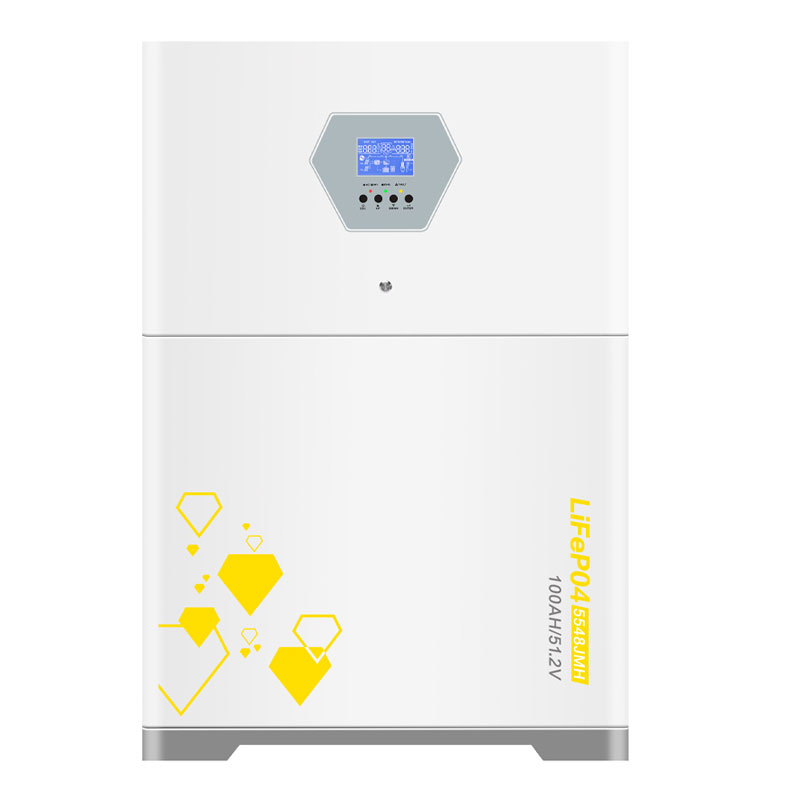
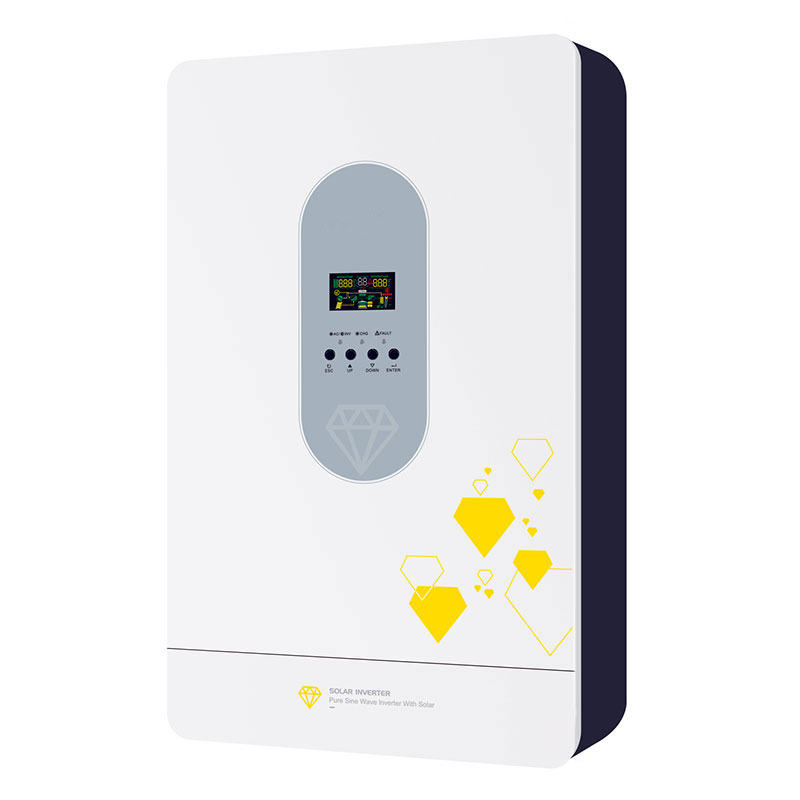
This is why Hybrid Solar Inverters have rapidly become one of the most sought-after technologies in the renewable energy market.
But what exactly is a hybrid solar inverter? How does it work? And more importantly — how can it help your business reduce costs, improve energy independence, and ensure long-term operational stability?
This article provides a clear, business-focused explanation, along with insights that help B2B buyers choose the right solution and manufacturer.
What Is a Hybrid Solar Inverter?
A hybrid solar inverter is a multifunctional inverter that combines:
Solar PV input
Battery charging & discharging capabilities
Grid connection
In other words, it integrates the functions of a solar inverter, battery inverter, and charge controller into one unit.
This allows the system to:
✔ Use solar energy when available
✔ Store excess solar power in batteries
✔ Draw power from the battery when needed
✔ Import electricity from the grid when required
✔ Export solar energy to the grid (depending on local regulations)
Because of this flexibility, hybrid solar inverters are ideal for commercial and industrial energy management.
Why Hybrid Solar Inverters Matter for Businesses
Solar investment for companies is not only about “going green.” It is about reducing energy dependency and increasing operational stability.
Hybrid inverters help businesses solve major challenges:
1. Reduce electricity bills
With solar + battery storage, companies can use more self-generated energy and rely less on expensive grid electricity.
2. Avoid production downtime
During power outages or unstable grid periods, the inverter automatically switches to battery supply, ensuring continuous operation.
3. Improve energy independence
Hybrid systems allow a business to operate even when the grid is unstable, especially in regions with unpredictable power supply.
4. Maximize use of renewable energy
Surplus solar energy is stored instead of being wasted.
5. Support long-term sustainability goals
Many global brands now require cleaner operations from their suppliers — hybrid systems help businesses meet ESG and carbon-reduction targets.
How Does a Hybrid Solar Inverter Work?
To understand how hybrid inverters function, let’s break the process into four stages.
1. Solar Power Generation (PV Input)
Solar panels generate DC electricity.
The hybrid inverter converts this DC into AC electricity for business operations.
But the hybrid model offers one more advantage: it can choose the best energy source automatically.
2. Battery Charging and Discharging
Excess solar energy is used to charge the batteries through the integrated MPPT controller.
At night or during peak pricing periods, the inverter discharges the battery to power the facility.
This significantly reduces electricity bills.
3. Grid Interaction
A hybrid inverter connects to the grid and can:
Import electricity when solar + battery is insufficient
Export excess energy back to the grid (region-dependent)
For businesses with dynamic electricity pricing, this helps optimize energy consumption.
4. Intelligent Energy Management
Modern hybrid inverters, such as DeRun Inverter’s Hybrid Solar Inverter Series, include:
Advanced MPPT algorithms
Load prioritization
Real-time monitoring
Automatic switching between power sources
Remote management options (WiFi/GPRS)
This ensures efficiency and stability in any environment.
Key Features Buyers Should Look For in a Hybrid Solar Inverter
If your business is evaluating hybrid solar solutions, consider the following features:
1. Wide Voltage Input Range
This ensures the inverter can work with various solar array sizes and adapt to power fluctuations.
(Example: 90–280VAC compatibility used in many export markets.)
2. High Conversion Efficiency
Look for ≥97% AC efficiency and ≥98% MPPT efficiency, which helps maximize ROI.
3. Battery Type Compatibility
A good hybrid inverter supports:
Lithium iron phosphate (LiFePO₄)
Lead-acid
Gel batteries
This gives more flexibility in system design.
4. Remote Monitoring & Smart Control
Essential for commercial facilities that need performance visibility across multiple sites.
5. Manufacturer Reliability
Since B2B buyers care about supply chain stability, choose a factory with:
Strong production capacity
OEM/ODM customization
Long-term technical support
Certificates required for overseas markets (CE, IEC, UL region-dependent)
This is where manufacturers like DeRun Inverter have advantages as a direct factory offering customization for hybrid solar inverter solutions.
Real-World Business Applications
Hybrid solar inverters are widely used in:
Commercial buildings
Manufacturing factories
Warehouses & logistics centers
Retail chains
Telecom base stations
Small industrial operations
Agriculture & irrigation systems
Remote facilities with unreliable grid supply
The biggest value comes when businesses need both solar power and stable backup energy.
How Hybrid Inverters Lower Operational Costs
Peak Shaving
Use battery power during expensive electricity hours.
Load Shifting
Charge batteries when electricity is cheap or solar output is high.
Backup Power
Avoid costly downtime and equipment failures.
Extended Equipment Lifespan
High-quality MPPT charging reduces battery stress.
For some businesses, the ROI period can be as short as 2–4 years, depending on local electricity prices.
Why Many B2B Buyers Prefer Factory Suppliers
International buyers often prefer manufacturers like DeRun Inverter because they offer:
Direct pricing
Customizable specifications
Faster production and shipping
Engineering support
Long-term partnerships
Higher flexibility for OEM/ODM projects
This is especially important for distributors and solar project contractors.
How to Choose the Right Hybrid Solar Inverter for Your Project
When planning a commercial or industrial solar system, consider:
Load size and priority loads
Whether your system needs backup capacity
Local electricity policies (net metering, feed-in, export restriction)
Battery type and storage capacity
Whether the installation site has voltage fluctuations
Reliability of the manufacturer and after-sales support
DeRun Inverter’s team can provide:
Technical drawings
Specification sheets
System matching suggestions
OEM/ODM customization
Conclusion: Are Hybrid Solar Inverters Worth It for Businesses?
Absolutely.
A hybrid solar inverter is not just a piece of hardware — it is an energy management solution that helps businesses reduce costs, achieve stability, and improve long-term sustainability.
Whether you're a project contractor, system integrator, wholesaler, or facility operator, investing in hybrid technology offers clear advantages.
Interested in Hybrid Solar Inverters for Your Business?
If your company is exploring hybrid inverter solutions or looking for a direct factory to support OEM/ODM projects, our engineering team at DeRun Inverter can help.
✔ Technical consultation
✔ Product specification sheets
✔ Factory pricing for bulk orders
✔ Custom branding & design
Contact our team to get a quote or request technical documents.