Introduction: Why MPPT Matters for Commercial Solar and Hybrid Systems
In today’s commercial and industrial sectors, hybrid solar systems are becoming essential tools for reducing operating costs and ensuring stable power supply. However, the actual performance of a hybrid inverter depends heavily on one key feature: MPPT — Maximum Power Point Tracking.
For distributors, EPC contractors, project developers, and business owners, understanding how MPPT improves hybrid inverter efficiency can directly influence project ROI, long-term reliability, and purchasing decisions.
This article explains MPPT in a practical, business-oriented way — and shows how it helps maximize performance in real commercial applications.
What Exactly Is MPPT Technology?
Every solar panel produces electricity based on sunlight intensity, temperature, shading, panel alignment, and aging. Because these conditions change constantly, the panel’s power output also fluctuates.
MPPT is the intelligent control algorithm inside a hybrid inverter that:
Continuously analyzes voltage and current
Identifies the true maximum power point of the PV array
Adjusts the operating point to extract the highest possible power
In simple words:
MPPT helps solar panels generate the maximum usable energy under any condition.
For commercial and industrial projects, this difference can be significant.
(Product Introduction):
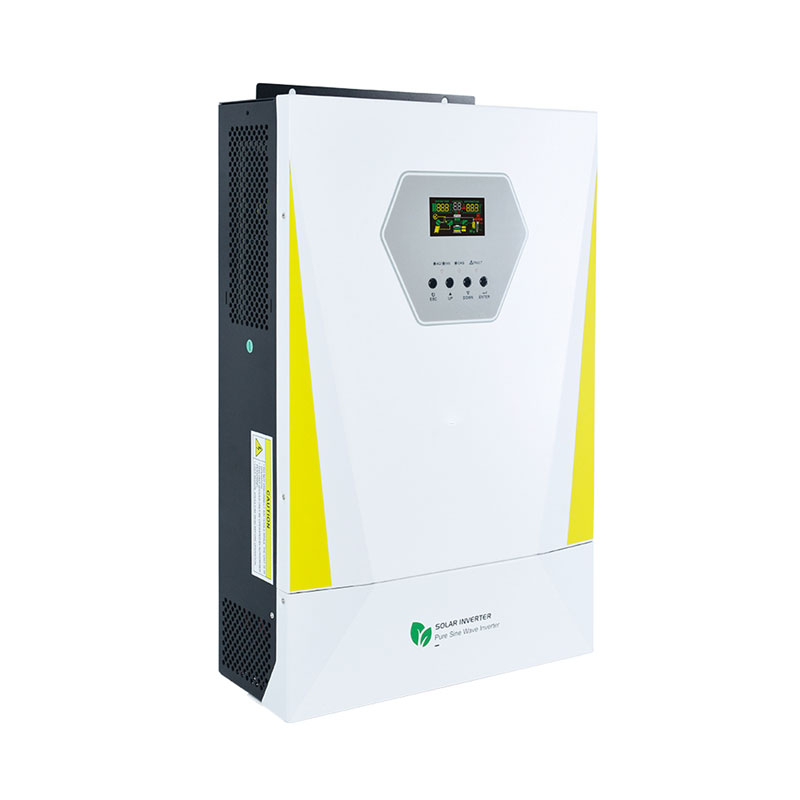
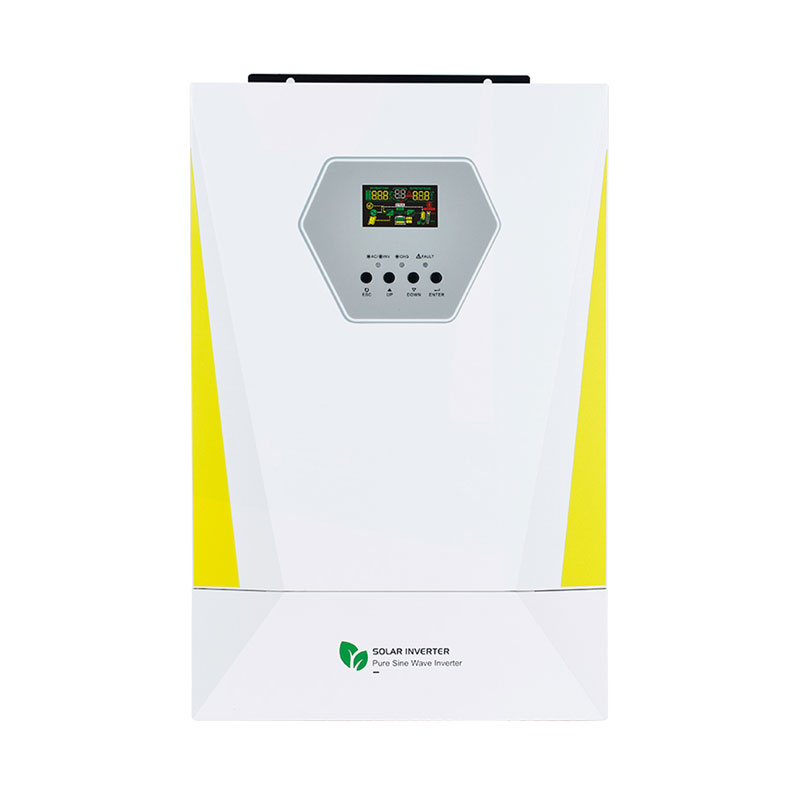
If you are looking for hybrid inverters equipped with advanced MPPT technology, our Hybrid Solar Inverter Series provides a reliable solution for commercial and industrial applications. Explore our products
How MPPT Improves Hybrid Inverter Efficiency
1. Extracts Up to 20–30% More Solar Energy
Clouds, temperature changes, shading, and dust often cause panels to operate below optimal performance. MPPT solves this problem by adjusting output in real time.
For businesses, this means:
Higher daily solar yield
Faster return on investment
Lower electricity consumption from the grid
Even a small efficiency increase becomes meaningful for large-scale or long-term installations.
(Performance Emphasis):
To see how high-efficiency MPPT performance can enhance your solar projects, explore our full range of hybrid inverters designed for long-term stability and optimized power output.
2. Reduces Energy Loss from Uneven or Complex Installations
Commercial rooftops rarely have perfect sunlight distribution. MPPT minimizes performance losses caused by:
Partial shading
Mismatched panels
Temperature differences
Multiple roof orientations
Long cable distances
Hybrid inverters equipped with dual or multi-MPPT inputs — like the solutions from DeRun Inverter — perform significantly better in these environments.
(Engineer / Project Focus):
For EPC contractors and wholesalers who require stable MPPT tracking and high conversion efficiency, our hybrid inverter products offer dependable performance for various project scales. Contact us
3. Improves Battery Charging Efficiency
In a hybrid inverter system, solar power is responsible for charging the battery. Better MPPT performance means:
Faster charging
Less dependency on the grid
Extended battery lifespan
More stable power for backup loads
This is especially important for businesses with high daytime consumption or frequent grid instability.
4. Ensures Stable Power for Critical Business Operations
Industries such as telecom, manufacturing, logistics, and retail require stable energy. MPPT ensures the hybrid inverter always:
Provides consistent solar input
Maintains efficient energy distribution
Reduces sudden drops in performance
This stability lowers operational risks and improves equipment reliability.
CTA (Pain Point Solution):
If you are facing inconsistent PV output or poor energy management in your solar systems, our MPPT-enabled hybrid inverters are engineered to solve these challenges.
Why MPPT Is Especially Important for Hybrid Solar Inverters
Hybrid inverters must simultaneously manage:
Solar power
Battery storage
Grid input
Load demands
Because the inverter is constantly balancing multiple energy sources, high-precision MPPT is essential for overall system performance.
With strong MPPT performance, hybrid inverters can:
Reduce battery discharge cycles
Maximize solar usage
Improve backup time during outages
Optimize grid interaction
Increase long-term system efficiency
This is why MPPT is one of the most important technical indicators for B2B buyers.
How MPPT Works Step by Step Inside a Hybrid Inverter
1. Scans the PV curve in real time
The inverter reads voltage (V) and current (A) continuously.
2. Identifies the highest power point
The algorithm calculates where voltage × current is the highest.
3. Adjusts inverter input accordingly
It fine-tunes the operating point to match the maximum value.
4. Coordinates with battery and load demands
The inverter decides how much power goes to:
Immediate load consumption
Battery charging
Grid export (if allowed)
This advanced control ensures peak efficiency under all conditions.
The MPPT Advantage in DeRun Inverter’s Hybrid Solutions
As a professional solar inverter manufacturer, DeRun Inverter integrates advanced MPPT features into its Hybrid Solar Inverter series:
Up to 98% MPPT efficiency
Wide PV voltage range
Fast tracking response
Dual or multi-MPPT inputs for complex rooftops
Stable operation in high-temperature climates
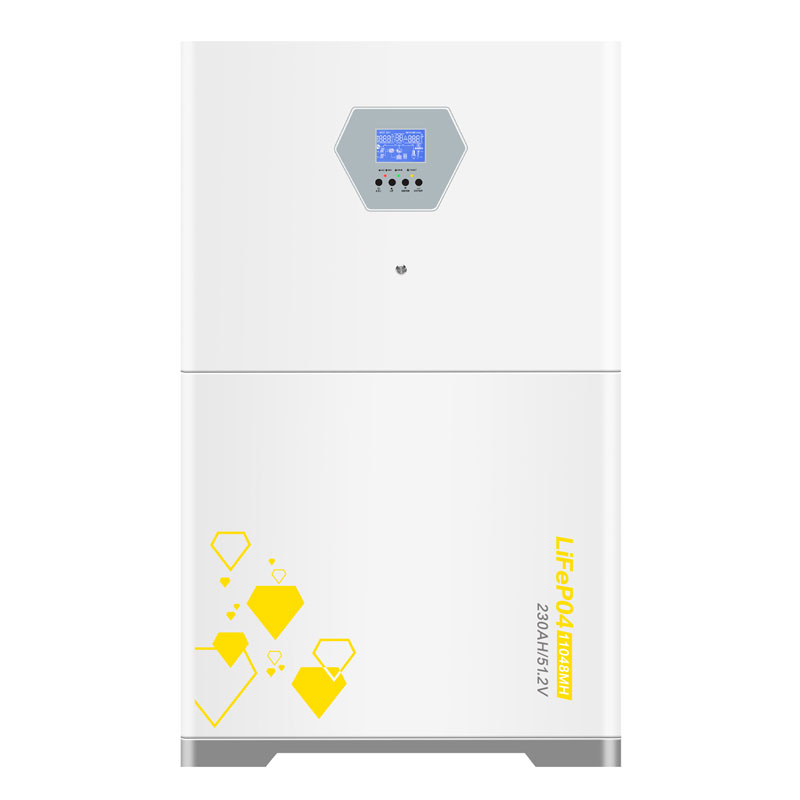
Compatible with lithium and lead-acid batteries
These performance advantages make our hybrid inverters ideal for:
Commercial solar rooftop projects
Industrial workshops with high daytime loads
Distribution partners needing stable OEM/ODM supply
Off-grid + grid-tied hybrid installations
Telecom and remote infrastructure
(Brand / Product Link):
Explore our Hybrid Solar Inverter Series to learn more about specifications, features, and customization options for your markets.
What B2B Buyers Should Consider When Evaluating MPPT Performance
When selecting hybrid inverters for commercial projects or distribution, evaluate:
1. Number of MPPT Trackers
More MPPTs = better performance for complex PV layouts.
2. MPPT Efficiency Rating
Look for ≥98% efficiency to ensure minimal losses.
3. Tracking Speed
Faster response = better performance during rapidly changing weather.
4. PV Input Voltage Range
Wide voltage range offers more flexibility in system design.
5. Manufacturer Reliability
Check long-term supply stability, production capacity, and quality control — areas where direct factories like DeRun Inverter offer significant advantages.
Where MPPT Hybrid Inverters Are Commonly Used
Businesses across many industries benefit from MPPT-equipped hybrid inverters:
Commercial office buildings
Manufacturing factories
Warehouses and logistics centers
Retail chains
Rural commercial centers
Agricultural operations
Telecom base stations
Areas with unstable or expensive electricity
These projects require stable performance, predictable ROI, and long-term energy savings — all of which depend heavily on MPPT efficiency.
Conclusion: MPPT Technology Directly Impacts Business ROI
For any commercial or industrial solar project, MPPT performance determines:
Daily energy harvest
Total system efficiency
Battery health
Backup capability
Maintenance costs
Payback period
Choosing hybrid inverters with strong MPPT technology — and selecting a reliable manufacturer — is therefore critical for every B2B buyer.
(End of Article / Strong Conversion):
Looking for high-efficiency hybrid solar inverters with advanced MPPT technology?
Contact DeRun Inverter today to get a quotation, datasheets, or customized solutions for your commercial solar projects. Request a Quote →