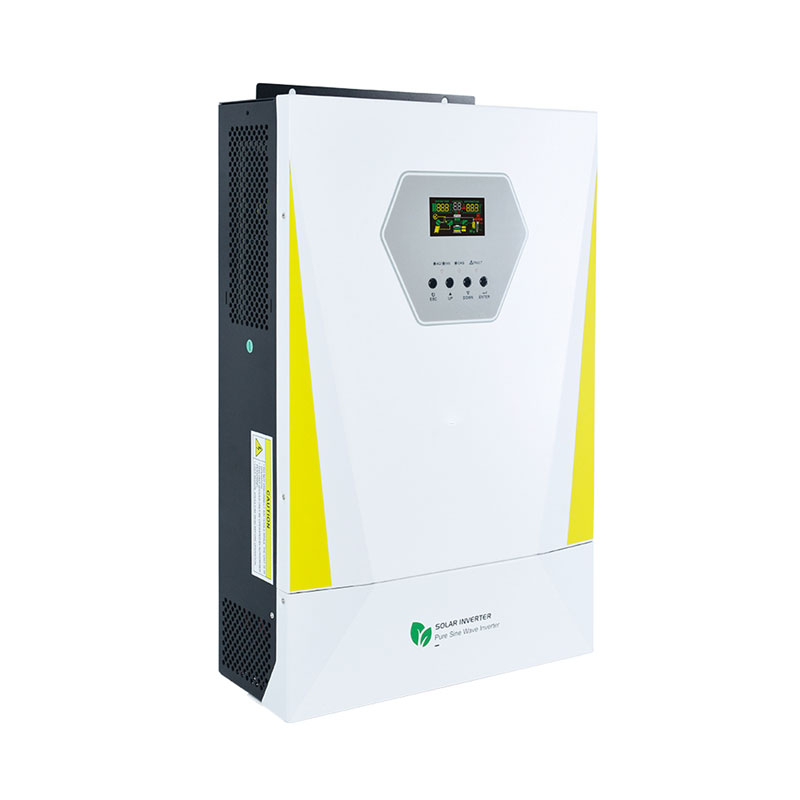
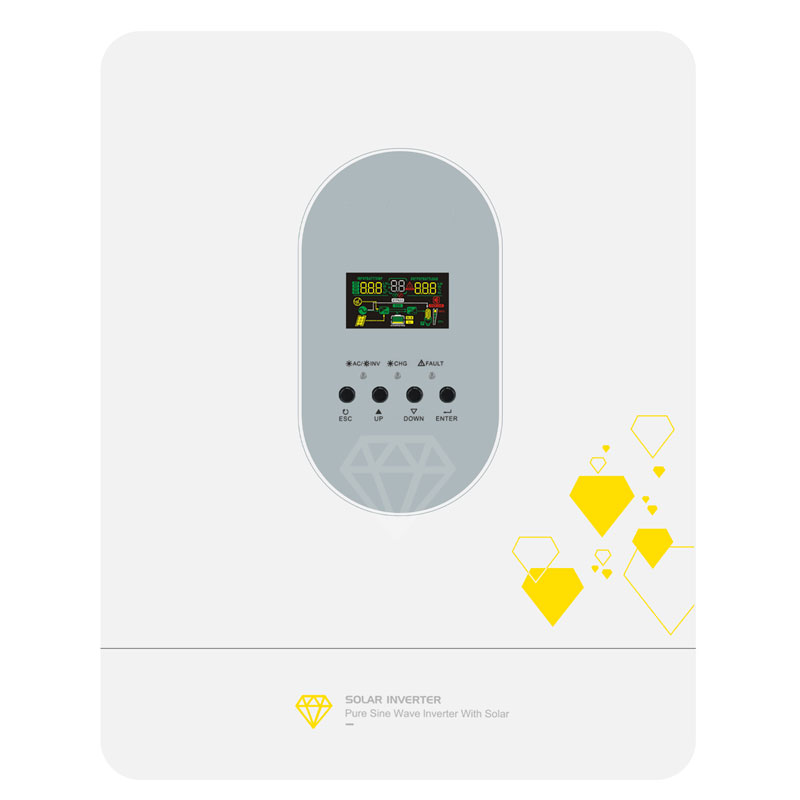
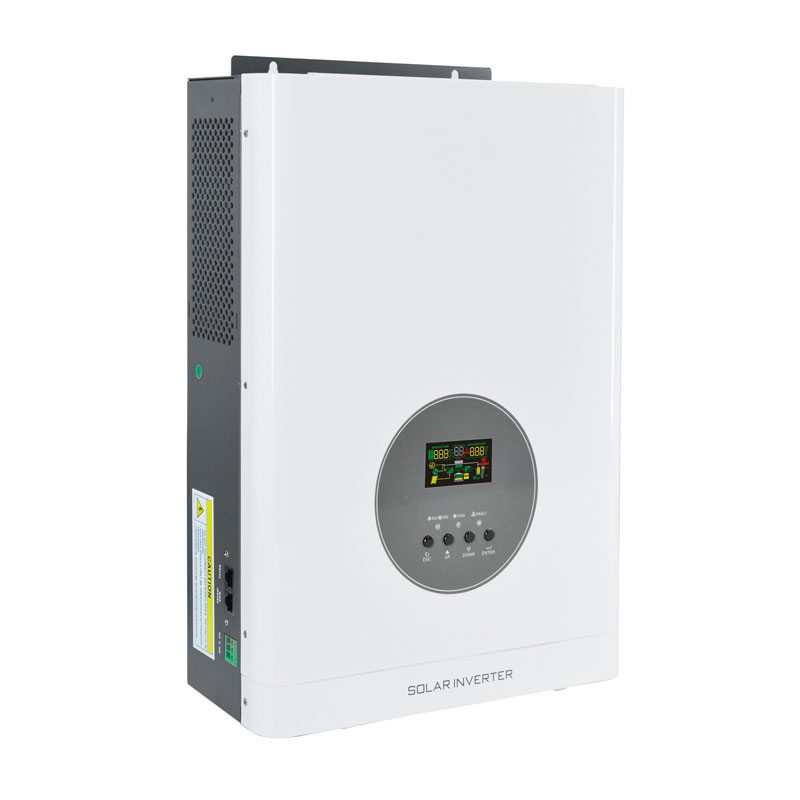
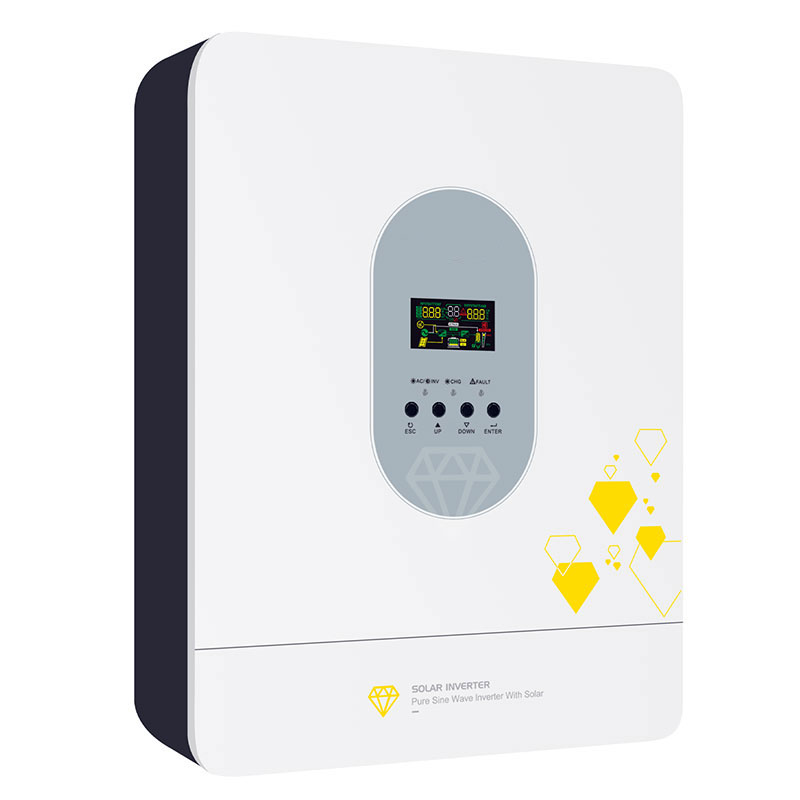
In recent years, hybrid solar inverters have become a key component in commercial and industrial energy systems. Rising electricity prices, stricter energy-saving requirements, and the need for stable backup power have pushed businesses to look for solutions that can coordinate multiple energy sources smoothly. A hybrid inverter does exactly that—it intelligently manages solar power, battery storage, and the grid to maintain a stable and cost-efficient energy flow.
For distributors, EPC contractors, and business owners, understanding how a hybrid inverter handles these different inputs is essential. It helps you evaluate system performance, design better solutions, and select the right products for your market.
A Central Control Hub for Modern Energy Systems
Unlike traditional off-grid or grid-tied inverters, a hybrid inverter functions as the “energy control center” of the entire system. It constantly analyzes how much solar power is available, how full the battery is, how stable the grid supply is, and what the load demands at any moment.
Its job is to orchestrate all of these variables and decide:
When to use solar power directly
When to store excess energy in the battery
When to draw power from the grid
When to discharge the battery
When to blend multiple sources together
For businesses that need predictable electricity costs and reliable backup power, this level of intelligent control makes a big difference. Hybrid inverters don’t just convert DC to AC—they keep the whole power system balanced.
Managing Solar Power: The Primary Energy Source
Solar energy is usually the first priority in a hybrid system. The inverter uses MPPT (Maximum Power Point Tracking) to capture as much energy as possible from the PV array, even under changing weather conditions. This is particularly important for commercial rooftops where panels may face partial shading, different orientations, or long cable distances.
When sunlight is strong, most hybrid inverters follow a simple workflow:
Solar power first supplies the active loads
This reduces electricity drawn from the grid, lowering operational costs.Surplus solar power charges the battery
Businesses with large daytime loads benefit from fast and efficient charging.Excess energy may be exported to the grid
Depending on local regulations and system settings, surplus solar can be sold back or fed into the grid as backup support.
When the sunlight is weak—during cloudy weather or early mornings—the inverter automatically blends solar power with battery or grid supply to keep everything stable.
Because many commercial systems experience uneven sunlight throughout the day, this ability to constantly adjust is crucial. It gives project developers and EPC contractors more flexibility when designing the PV layout.
Managing Battery Power: The Heart of Backup and Peak-Shaving
Batteries play a vital role in hybrid systems, especially in regions with unstable grids or high peak tariffs. Battery management is far more complex than simply charging and discharging; it requires careful balancing to protect battery health and deliver consistent performance.
A hybrid inverter typically performs the following:
1. Intelligent Charging
The inverter adjusts charge current and voltage based on:
Battery type (LiFePO4, lead-acid, etc.)
Temperature
Depth of discharge
PV availability
This prevents overcharging and extends battery lifespan—an important factor for B2B buyers concerned about long-term operating expenses.
2. Smart Discharging
During peak tariff periods or outages, the inverter discharges the battery to:
Reduce grid consumption
Supply critical loads
Maintain power quality
Improve system independence
Well-designed systems can significantly reduce electricity bills simply by using batteries more strategically.
3. Battery Protection
Hybrid inverters also include protections for:
Over-discharge
Temperature fluctuations
Short circuit
Cell imbalance (when communicating with BMS)
For wholesalers or project integrators, this level of protection helps ensure long-term reliability and minimizes after-sales issues.
Managing Grid Power: Stability, Backup, and Cost Control
Even with solar and batteries, the grid remains an important part of a hybrid system. In many commercial applications, grid power acts as the fallback source during cloudy periods, high load spikes, or nighttime operations.
Hybrid inverters manage grid power in several key ways:
1. Automatic Switching Between Grid and Solar/Battery
Instead of abrupt cut-offs, the inverter switches seamlessly, ensuring that machinery, servers, and computers continue running without interruption. Many hybrid inverters also support UPS-level transfer times for sensitive equipment.
2. Peak-Shaving Mode
This is especially valuable for commercial electricity users.
During high tariff periods, the inverter prioritizes solar and battery power, reducing the reliance on expensive grid energy. During low tariff periods, it may charge the battery from the grid if needed.
This strategic use of grid power helps businesses stabilize energy costs and reduce operational expenses—one of the strongest selling points in B2B markets.
3. Off-Grid Operation During Outages
When the grid goes down, the inverter can instantly switch into off-grid mode, powering essential loads using solar and battery. This is critical for:
Retail stores
Warehouses
Office buildings
Farms
Telecom stations
Small factories
Grid interruptions no longer mean operational downtime.
How Hybrid Inverters Coordinate Solar, Battery, and Grid Together
The real value of a hybrid inverter lies not in handling each power source separately but in how smoothly it blends all three.
Below are the most common operating modes businesses rely on:
Solar-First Mode
The inverter uses solar power first, charges the battery second, and draws from the grid only when necessary.
Battery-First Mode
Used in areas with high peak tariffs; the battery supplies power during expensive hours.
Grid-First Mode
Often used when the grid is cheap and stable, or when the battery is reserved for emergencies.
Off-Grid Mode
The inverter powers loads entirely from solar and battery.
Hybrid/Blend Mode
Solar + battery + grid can be blended together to maintain stable output during load fluctuations.
Backup Mode
The inverter prioritizes battery and solar during outages.
Each mode is useful for different business scenarios, and a well-designed hybrid inverter allows users to switch seamlessly depending on need.
Why This Matters for Buyers
From a commercial perspective, the way a hybrid inverter manages power directly influences:
Daily energy yield
Electricity costs
Battery lifespan
Equipment uptime
Overall ROI
Long-term maintenance needs
Distributors and EPC contractors also care about installation flexibility, compatibility with different battery types, and stable performance across a range of environments. A hybrid inverter that performs well in all three energy streams—solar, battery, and grid—can support a much wider range of projects and use cases, from small retail shops to large industrial facilities.
If the inverter responds quickly to changing load demands, tracks solar efficiently, and interacts with the grid intelligently, it becomes much easier for businesses to justify investment in solar-plus-storage systems.
Applications Where Effective Power Management Is Critical
Hybrid systems are now widely used in:
Manufacturing and industrial workshops
Commercial buildings and offices
Warehouses and logistic centers
Agriculture and irrigation
Telecom towers
Rural commercial hubs
Small businesses with unstable grid supply
Each of these environments benefits from a hybrid inverter’s ability to switch sources quickly and maintain stable power quality.
Final Thoughts
Hybrid solar inverters are at the center of modern solar-plus-storage systems. Their ability to manage solar power, control battery charging and discharging, and interact intelligently with the grid makes them indispensable for today’s commercial and industrial energy users. When the inverter can seamlessly balance these resources, businesses gain predictable cost savings, more reliable power, and better long-term performance.
For buyers, understanding how hybrid inverters manage these power flows is crucial for evaluating supplier capabilities, choosing the right models, and designing efficient energy systems tailored to real project needs. A well-built hybrid inverter does far more than convert energy—it keeps the entire system stable, efficient, and ready for the demands of modern commercial operations.