As global demand for clean energy continues to grow, solar power has become one of the fastest-developing renewable energy solutions for both residential and industrial applications. At the heart of every solar power system lies a critical component — the solar inverter. It acts as the bridge between your photovoltaic (PV) panels and the devices or grids that consume the generated electricity.
While PV panels generate electricity directly from sunlight, this energy cannot be used efficiently until it passes through the inverter. For businesses involved in system design, installation, or distribution, understanding how solar inverters work with PV panels can lead to smarter purchasing decisions, reduced maintenance costs, and improved overall performance.
In this article, we’ll take a detailed look at how solar inverters operate, step by step, and why choosing a reliable inverter manufacturer is essential for your project’s success.
1. Step 1: Solar Energy Generation by PV Panels
The process begins with photovoltaic panels — arrays of solar cells made from semiconductor materials such as silicon. When sunlight hits these cells, photons excite the electrons within the material, generating direct current (DC) electricity.
This DC electricity is the raw output of the solar array. However, most electrical systems and appliances use alternating current (AC), which alternates direction periodically. That’s where the inverter comes in — to convert the DC power from your panels into usable AC power.
2. Step 2: DC Power Transmission to the Inverter
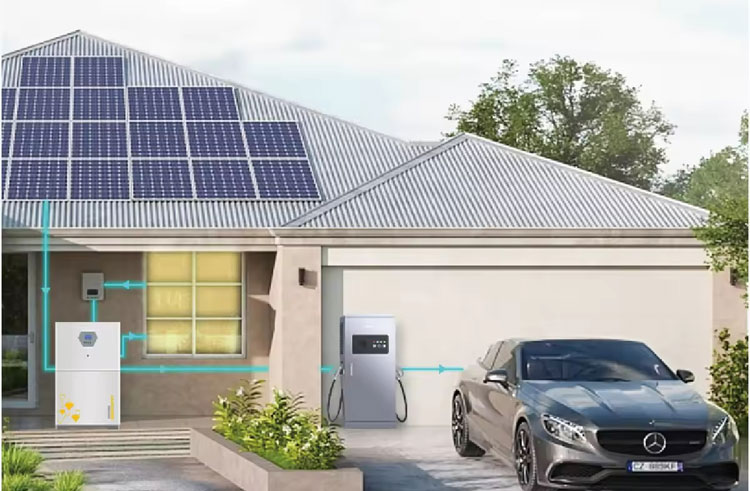
Once the PV panels produce DC electricity, the energy flows through DC cables into the solar inverter’s input terminal. Here, the inverter continuously measures the voltage and current levels to ensure the panels operate within the optimal range.
A critical factor in this step is system design — cable size, distance, and inverter capacity all influence overall efficiency. A well-matched inverter not only ensures maximum energy conversion but also protects the system from overloads and voltage drops.
For commercial and off-grid projects, selecting the right inverter type — whether Off Grid, Hybrid, or ESS (Energy Storage System) — can significantly affect energy reliability and cost performance.
3. Step 3: DC-to-AC Conversion – The Core Function
This is the heart of a solar inverter’s operation. The inverter uses power electronics components such as transistors and IGBTs (Insulated Gate Bipolar Transistors) to perform pulse width modulation (PWM) — a method of switching the DC power on and off rapidly to create a clean AC waveform.
Modern inverters produce pure sine wave AC output, ensuring smooth operation for sensitive devices like communication equipment, motors, and medical instruments. For industrial and commercial systems, stable AC output is essential to avoid interruptions or equipment damage.
This conversion process happens in milliseconds, with high-quality inverters reaching efficiencies above 97–98%, minimizing power loss during conversion.
4. Step 4: Power Optimization via MPPT (Maximum Power Point Tracking)
One of the most advanced technologies in solar inverters today is MPPT — Maximum Power Point Tracking. It allows the inverter to continuously track the optimal voltage and current point at which the PV panels deliver the most power.
Because sunlight intensity and temperature fluctuate throughout the day, the panels’ voltage and current also change. MPPT technology automatically adjusts the inverter’s operating point to ensure maximum output, even under partially shaded or cloudy conditions.
For professional buyers, MPPT efficiency is a key metric when comparing inverters. An inverter with 98% MPPT efficiency, for example, ensures that almost all the potential energy from your solar panels is harvested and converted into usable power.
5. Step 5: Smart Monitoring and Communication
Modern solar inverters are far more than simple power converters — they are intelligent management units equipped with smart monitoring features.
Through Wi-Fi, GPRS, or RS485 communication modules, operators can remotely:
Monitor system performance in real-time;
Detect and diagnose faults;
Optimize energy use based on demand or grid feedback.
This digital monitoring capability is particularly valuable for B2B projects such as factories, warehouses, and off-grid stations. It allows businesses to maintain high uptime, minimize maintenance costs, and ensure stable operation over years of service.
6. Step 6: Power Distribution to Loads or Energy Storage Systems
After conversion, the AC electricity generated by the inverter is distributed to connected loads — appliances, machinery, or even the utility grid.
In off-grid systems, the inverter works alongside batteries to ensure continuous power supply. During the day, it charges the batteries while supplying power to loads; at night, stored energy from the batteries continues to feed the system.
In hybrid systems, the inverter manages multiple sources — solar, battery, and grid — balancing them automatically to achieve the most efficient and cost-effective operation. Meanwhile, ESS (Energy Storage System) inverters handle larger-scale storage and grid interaction for commercial and industrial energy projects.
7. Why Understanding This Process Matters for B2B Buyers
For distributors, project developers, and system integrators, understanding how solar inverters work with PV panels is not just technical — it’s strategic.
Better System Design
Knowing how energy flows through each stage allows engineers to select the proper inverter type, capacity, and configuration, maximizing overall system performance.
Cost and Efficiency Optimization
Properly matched systems reduce conversion loss and maintenance frequency, ensuring a faster return on investment (ROI).
Improved Reliability
By understanding how inverters handle DC/AC conversion and smart management, you can identify high-quality products that deliver long-term reliability, especially in harsh environments.
Simplified Maintenance
When you know what each stage of the inverter process does, troubleshooting and servicing become far more efficient — saving both time and operational costs.
8. Different Inverter Types and Their Applications
Before choosing a solar inverter, it’s essential to understand the three main categories that dominate the market today:
(1) Off Grid Solar Inverters
Designed for standalone systems in remote or mobile applications such as rural homes, marine vessels, and off-grid cabins.
They feature low-frequency design, strong surge capacity, and compatibility with generators.
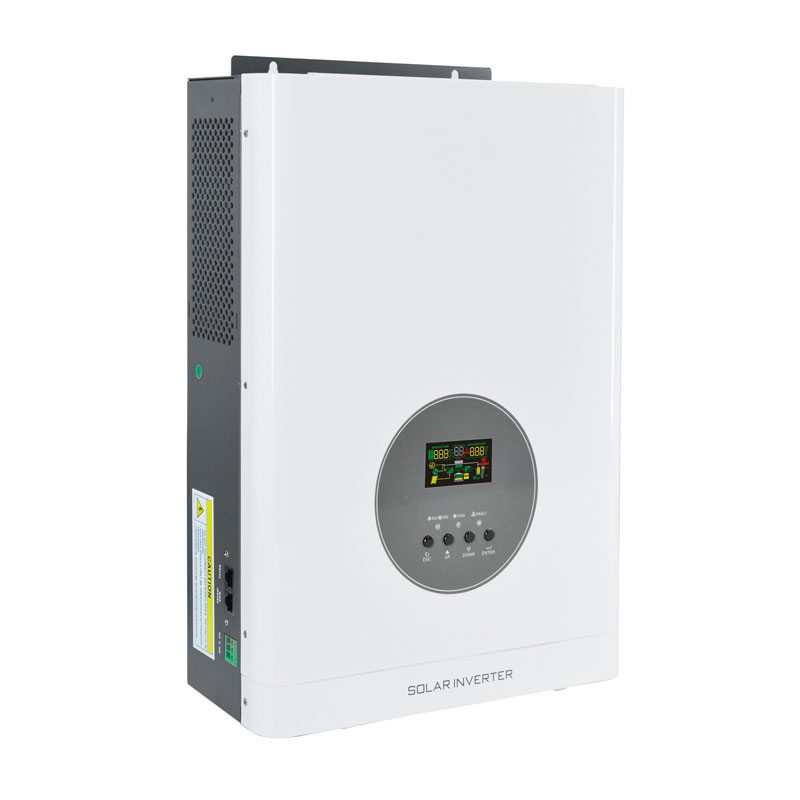
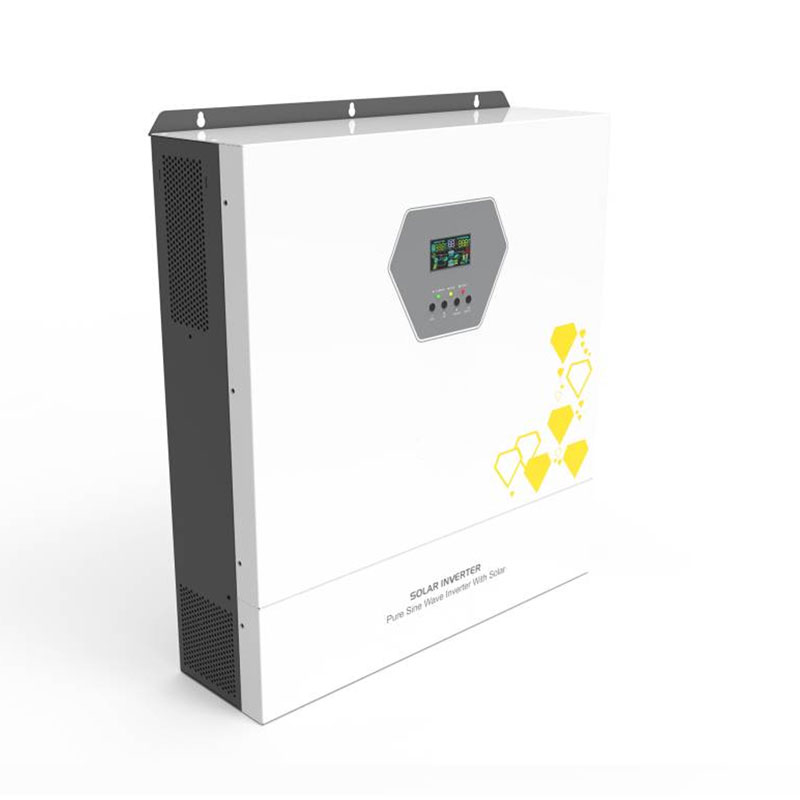
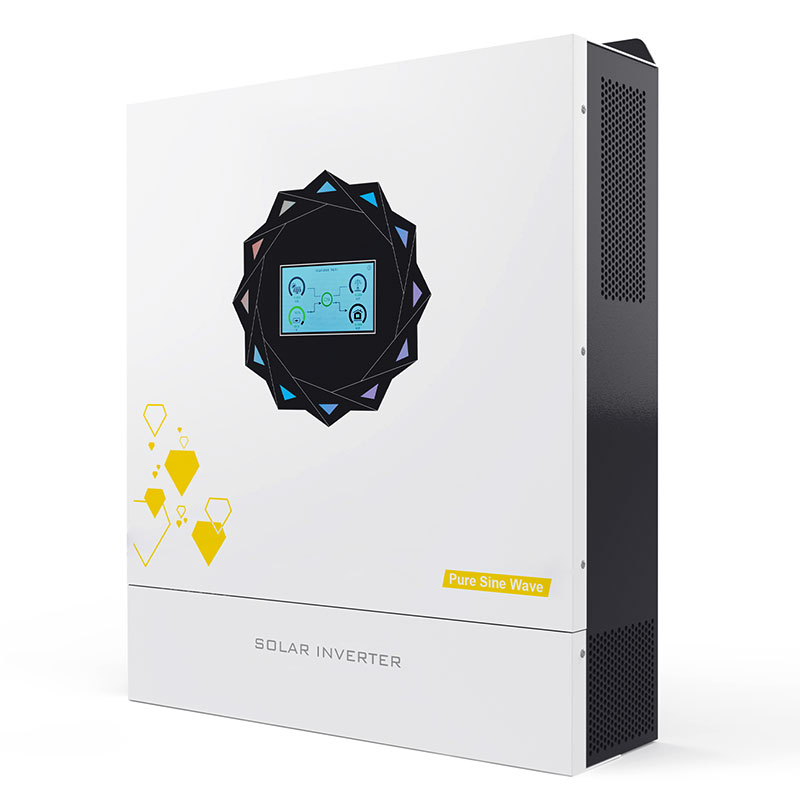
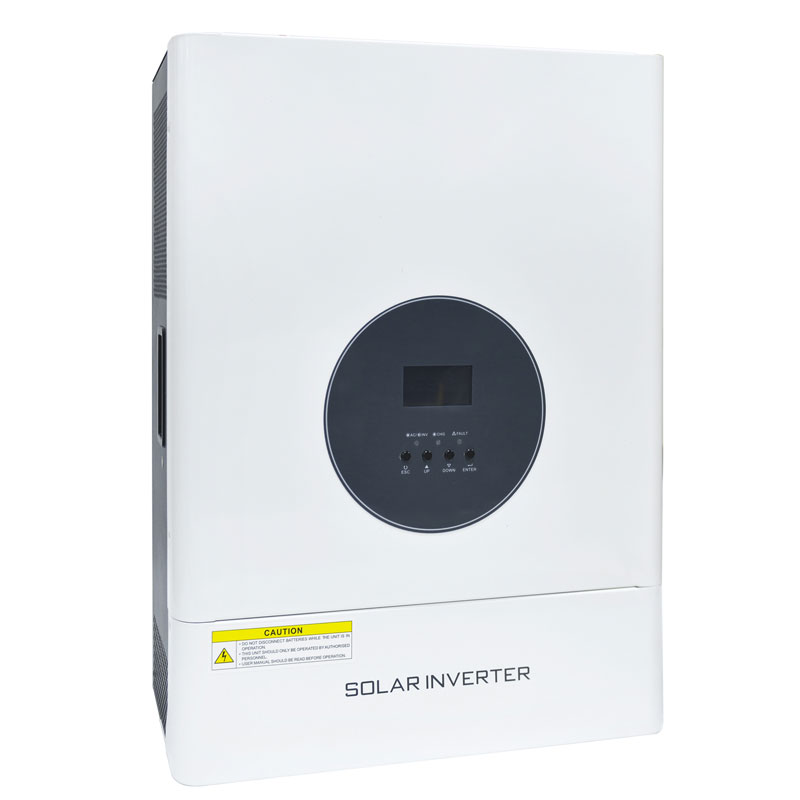
Example: DeRun Inverter’s UD Series Off Grid Solar Inverter is built for marine and off-grid applications, offering stable output and customizable charging options.
(2) Hybrid Solar Inverters
Combine the functions of both grid-tied and off-grid systems. They intelligently manage solar energy, battery storage, and grid interaction, making them ideal for homes and commercial setups seeking energy independence.
(3) ESS (Energy Storage System) Solar Inverters
Developed for industrial and commercial-scale energy management. They integrate with large-capacity lithium batteries and ensure seamless operation even during grid fluctuations.
If your business involves energy storage or commercial PV projects, you can explore DeRun Inverter’s ESS Solar Inverter solutions to enhance efficiency and scalability in your next installation.
9. Testing and Quality Considerations Before Purchase
Professional buyers often evaluate solar inverters based on performance, reliability, and compliance. Here are key testing and certification points to verify before making bulk purchases:
Efficiency certification (e.g., CEC or TUV);
Safety standards compliance (IEC/UL certifications);
Thermal performance under high temperature;
EMC and harmonic distortion ratings;
Warranty and after-sales support availability.
A reputable manufacturer like DeRun Inverter conducts strict quality control at every stage — from PCB assembly to full system testing — ensuring stable operation and long product lifespan.
10. Integration with Emerging Technologies
The next generation of solar inverters is moving toward digitalization and intelligence. Through AI algorithms, IoT connectivity, and real-time monitoring, solar inverters can:
Predict system failures before they occur;
Adjust performance automatically to match energy demand;
Integrate seamlessly with smart grids and home automation.
For B2B buyers, partnering with manufacturers that are ready for this transition ensures future-proof product lines and long-term compatibility with evolving energy technologies.
11. Practical Advice for Selecting the Right Inverter
When evaluating inverters for your project:
Define your application – residential, commercial, or off-grid;
Check capacity compatibility – inverter wattage vs. solar array output;
Look for MPPT efficiency above 98%;
Verify protection features – overvoltage, short-circuit, and surge protection;
Consider monitoring options – Wi-Fi or remote data access;
Evaluate manufacturer experience and after-sales network.
DeRun Inverter offers full OEM & ODM customization services, enabling partners to integrate specific features such as Wi-Fi modules, smart control systems, or customized casing designs.
12. Conclusion: Powering the Future with Smarter Inverters
Solar inverters are the heart of any PV system — converting, managing, and optimizing energy for reliable operation. From DC-to-AC conversion to intelligent power management, understanding their working principle helps you make informed purchasing decisions and design better systems.
For businesses in the solar energy sector, partnering with an experienced inverter manufacturer like DeRun Inverter ensures you receive high-quality, efficient, and scalable solutions tailored to your project needs.
Explore DeRun Inverter’s range of Off Grid, Hybrid, and ESS Solar Inverters to find the ideal fit for your market — and empower your next renewable energy project with reliable performance and long-term efficiency.