In today’s rapidly evolving energy landscape, off-grid solar inverters have emerged as a crucial solution for businesses operating in remote areas. Whether it’s for rural communities, industrial applications, or emergency power needs, off-grid solar systems powered by high-quality inverters are transforming how we think about energy independence and sustainability.
In this article, we’ll explore the ideal applications of off-grid inverters in various sectors, showcasing their flexibility, reliability, and cost-saving potential. By understanding how off-grid inverters can be deployed in diverse scenarios, businesses can make informed decisions that not only improve operational efficiency but also help meet sustainability goals.
What is an Off-Grid Inverter and Why Does It Matter?
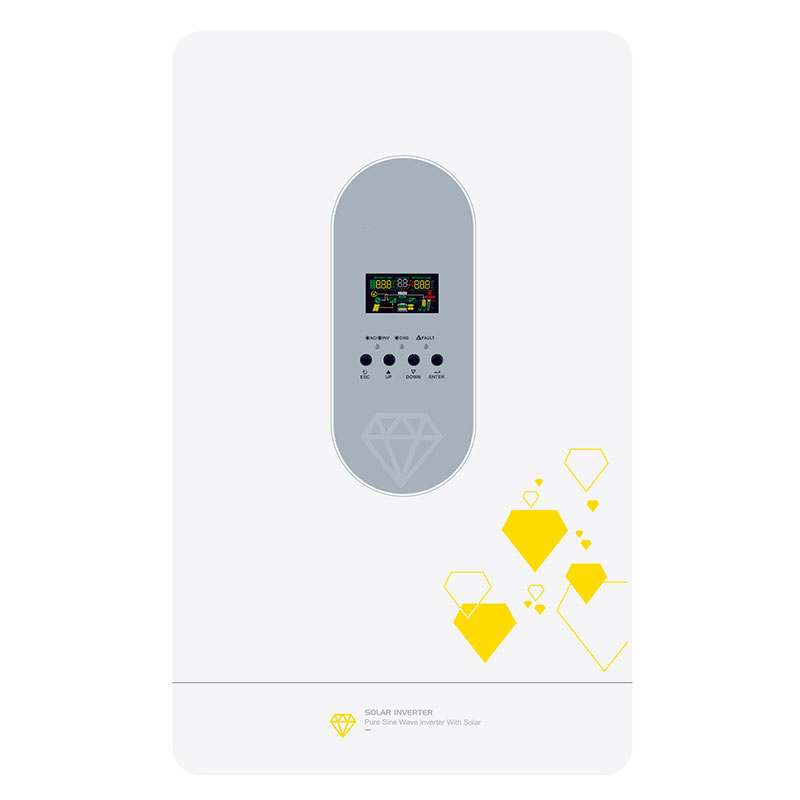
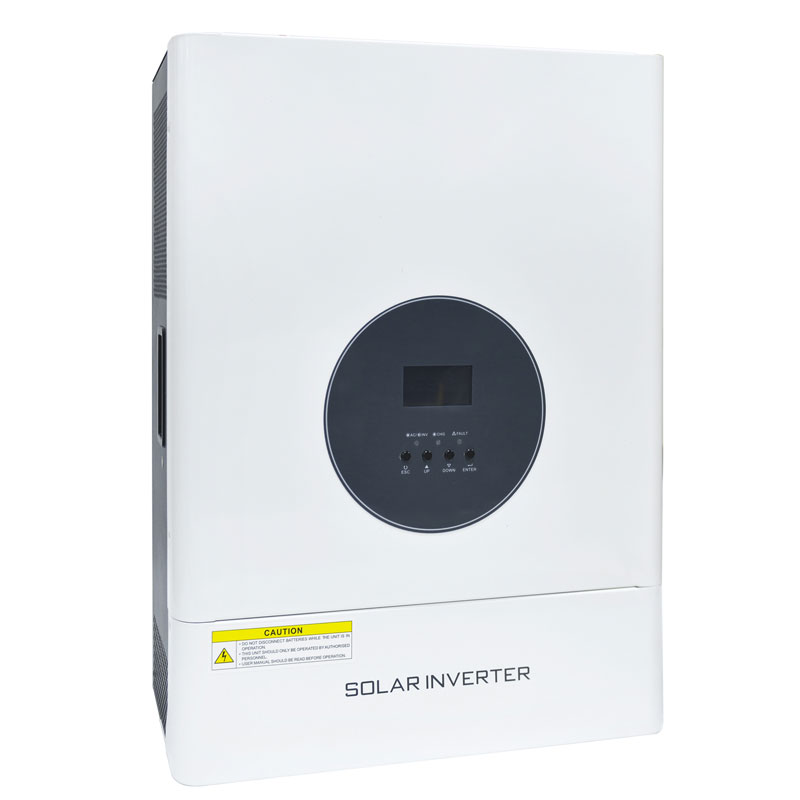
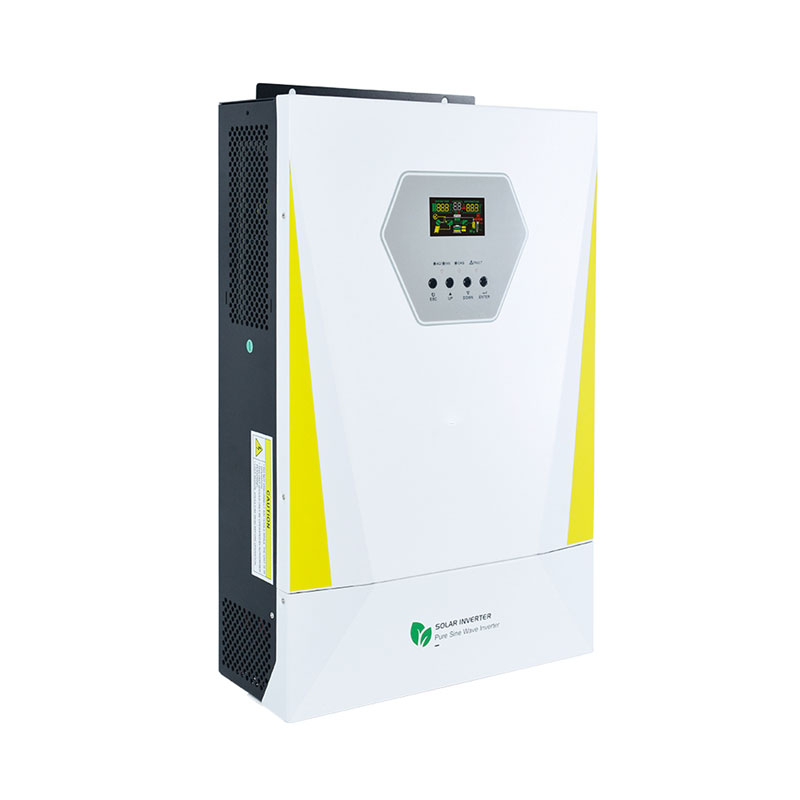
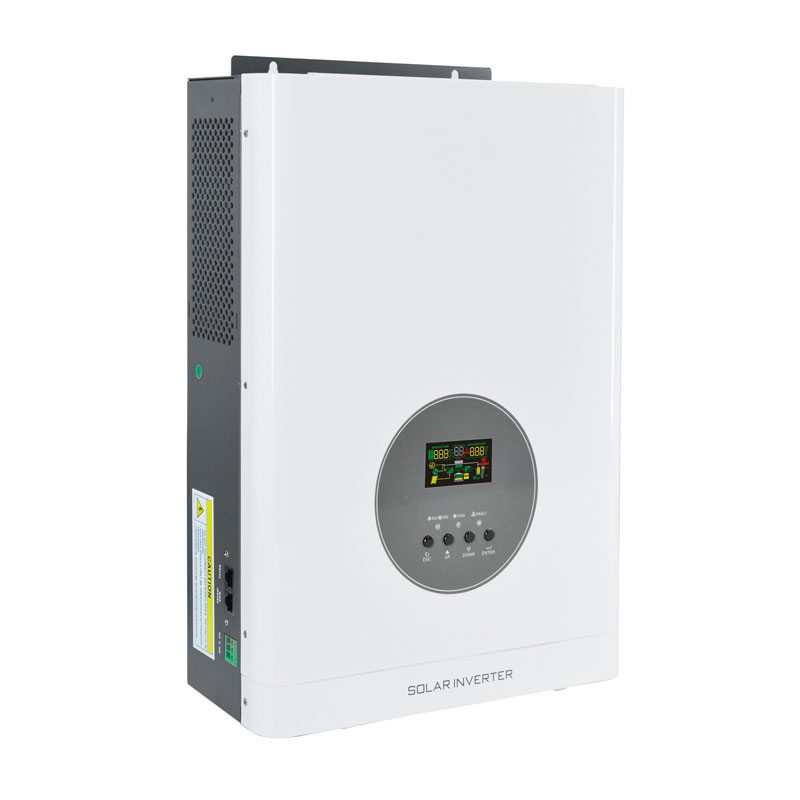
At its core, an off-grid inverter is a device that allows a solar system to operate independently of the main power grid. It converts the direct current (DC) electricity generated by solar panels into alternating current (AC) electricity, which can then be used to power business operations or infrastructure. Off-grid inverters are critical for applications where grid access is either unavailable or unreliable.
Unlike traditional grid-tied systems, off-grid systems include energy storage solutions like batteries, which store excess energy generated during the day. This stored energy can then be used at night or during cloudy periods, ensuring a consistent power supply without needing to rely on the electrical grid.
1. Powering Remote Operations in the Oil, Gas, and Mining Industries
In industries like oil, gas, and mining, operations often take place in remote locations where access to the grid is either non-existent or impractical. In these settings, off-grid solar systems, powered by high-efficiency inverters, can provide a reliable energy source for everything from drilling rigs to remote monitoring stations.
The use of off-grid solar inverters in these industries helps reduce operational costs, minimize reliance on expensive fuel-powered generators, and improve the environmental sustainability of operations. Furthermore, solar-powered systems are much easier to deploy in harsh, remote conditions, offering a long-term solution to power generation.
Example:
A mining company operating in a remote area can install a hybrid solar and battery system with off-grid inverters to power its operations without needing a costly and environmentally damaging diesel generator. This reduces fuel costs and CO2 emissions while increasing energy reliability.
2. Supporting Agriculture and Farming in Off-Grid Areas
Agricultural businesses, especially those in off-grid areas, can benefit greatly from off-grid solar inverters. From powering irrigation systems to running farm equipment, off-grid inverters provide the flexibility and reliability needed for day-to-day operations.
Solar energy is also a sustainable solution for powering greenhouses, livestock facilities, and processing plants, where consistent energy is necessary to maintain productivity. By using off-grid solar systems, farmers can decrease their reliance on fossil fuels, reduce operating costs, and gain greater control over their energy usage.
Example:
A farm located in a rural area can install an off-grid solar system with inverters to power its irrigation pumps, reducing its reliance on grid electricity or diesel generators. This also reduces energy costs in the long run, improving profitability.
3. Empowering Remote Communities with Clean Energy Solutions
In many parts of the world, especially in developing countries or remote rural areas, access to reliable electricity is limited or unavailable. Off-grid solar inverters are playing a pivotal role in bringing clean, renewable energy to these underserved communities, enabling them to power schools, clinics, homes, and small businesses.
With off-grid solar solutions, these communities no longer need to depend on costly and polluting diesel generators. Instead, they can harness solar power to meet their energy needs in an environmentally friendly and cost-effective manner.
Example:
An NGO or government program could install off-grid solar systems in a remote village to power the community center, school, and clinic. This system, equipped with off-grid inverters, would ensure that essential services remain operational, even during power outages.

4. Providing Backup Power for Critical Infrastructure
In areas prone to natural disasters or regions with unreliable power grids, off-grid solar inverters can serve as a reliable backup power source for critical infrastructure, including hospitals, telecommunications, and emergency response centers. By providing a backup power system, businesses and organizations can ensure that they remain operational during power outages or crises.
The ability to maintain power during emergencies is particularly vital for healthcare facilities, where even brief power outages can lead to severe consequences.
Example:
A healthcare clinic located in a disaster-prone area could install an off-grid solar system with battery backup. This would ensure that critical medical equipment, such as refrigerators for storing vaccines, continues to run even during grid failures.
5. Enhancing Disaster Relief Operations with Solar-Powered Systems
During natural disasters like hurricanes, earthquakes, or floods, traditional power systems are often knocked out, leaving affected areas without electricity for days or even weeks. Off-grid solar systems, equipped with powerful inverters, are ideal for disaster relief efforts, providing a quick and reliable source of energy to affected communities.
Solar-powered systems can be deployed to power emergency shelters, communications equipment, and medical facilities in the aftermath of a disaster, helping humanitarian organizations respond more effectively.
Example:
During a hurricane recovery effort, an emergency response team could deploy solar-powered generators and off-grid inverters to power temporary shelters and field hospitals, allowing essential services to continue operating until the grid is restored.
Conclusion: Why Off-Grid Inverters Are Essential for Businesses and Communities
As we've seen, off-grid solar inverters have a wide range of applications across various industries, from remote operations and agriculture to disaster relief and community electrification. Their ability to provide reliable, cost-effective, and sustainable energy solutions makes them an ideal choice for businesses and organizations looking to improve their operational efficiency and environmental impact.
By investing in off-grid solar technology, businesses can reduce their reliance on costly and polluting fossil fuels, lower operational costs, and increase energy resilience. Whether you’re a mining company in a remote location, a farm looking for sustainable energy, or an NGO working to bring power to underserved communities, off-grid inverters can help you achieve your goals.
Ready to take the next step towards energy independence? Contact us today to learn more about our custom off-grid solar solutions and how we can help your business thrive, no matter where you operate.