In recent years, off-grid solar power systems have become an increasingly popular choice for both individuals and businesses looking to reduce their reliance on traditional electrical grids. Whether you're living in a remote area, preparing for emergencies, or aiming to cut down on your electricity bills, off-grid solar inverters can offer a reliable and sustainable solution.
But what exactly is an off-grid solar inverter? How does it work? And why is it such an essential component of off-grid solar systems? In this comprehensive guide, we’ll walk you through everything you need to know about off-grid solar inverters, including their key components, how they work, and the benefits they provide.
Let’s get started!
What is an Off-Grid Solar Inverter?
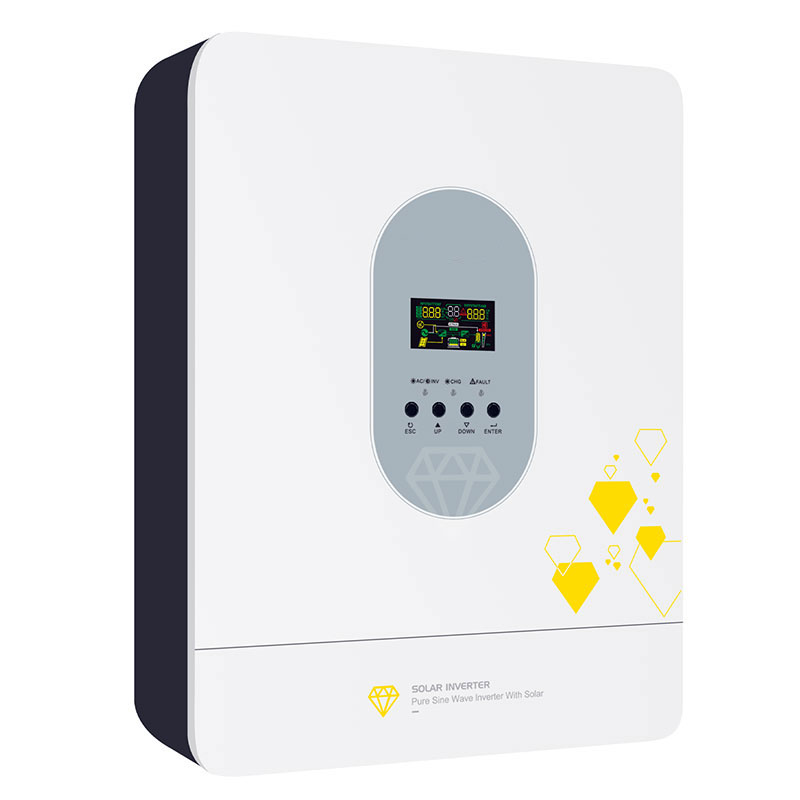
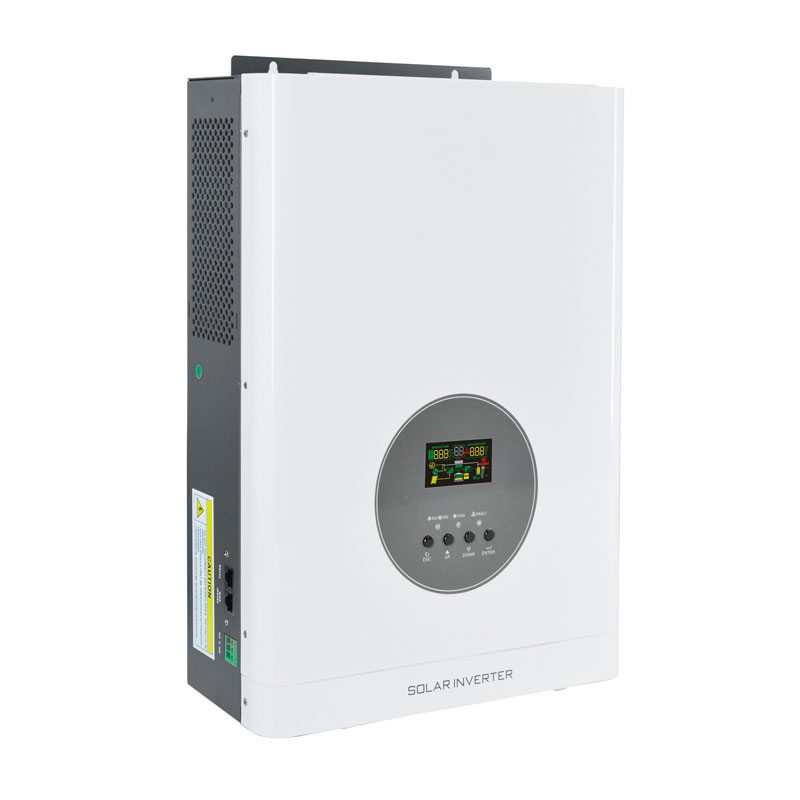
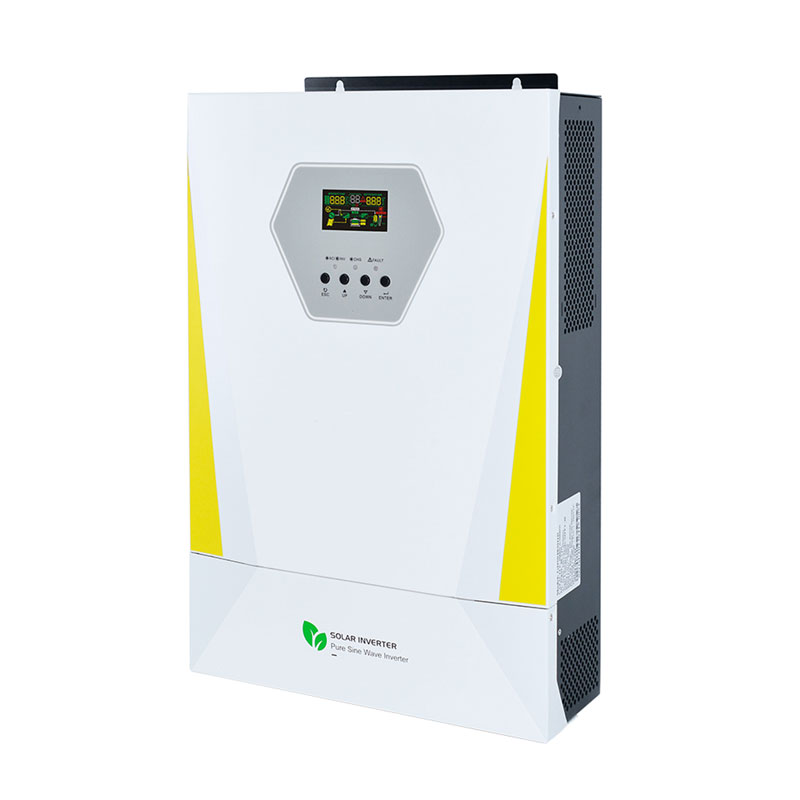
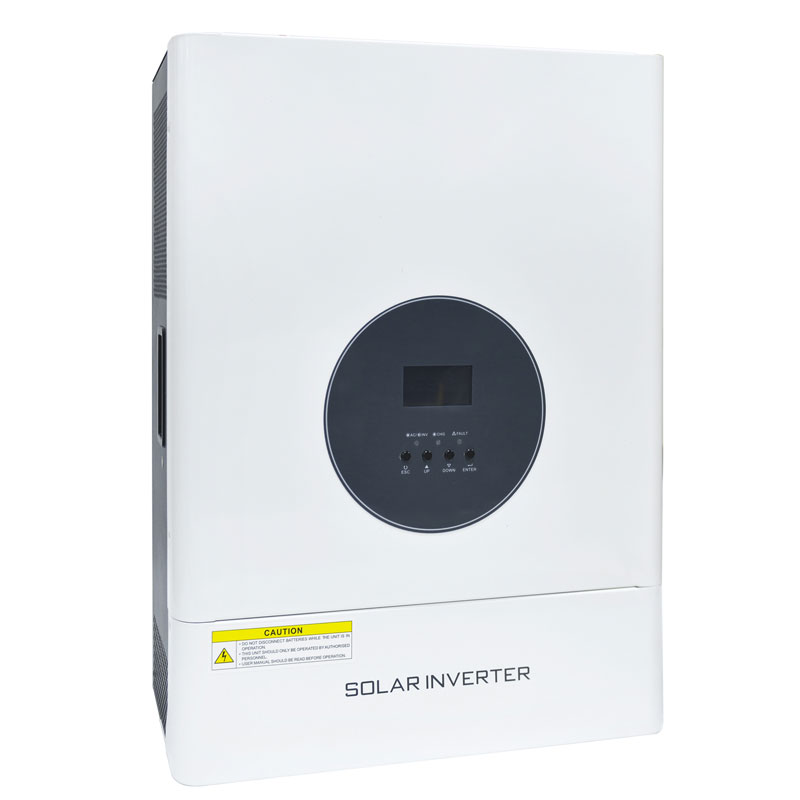
At its core, an off-grid solar inverter is a device that converts the direct current (DC) electricity generated by solar panels into alternating current (AC) electricity, which can then be used to power your household appliances or industrial machinery.
What sets it apart from grid-tied systems is that it operates independently from the electrical grid, providing you with energy autonomy. Whether you're powering a small home in a rural location or running equipment in a remote business site, an off-grid solar inverter makes it possible to harness renewable solar energy without the need for access to the grid.
Unlike grid-tied systems, which rely on the utility grid to feed excess power back into, off-grid systems store excess energy in batteries for later use—ensuring that you have power even when the sun isn’t shining.
How Do Off-Grid Solar Inverters Work?
Now that you understand what an off-grid solar inverter is, you might be wondering: how does it actually work?
Here’s a simplified breakdown:
Solar Panels Capture Sunlight: The process starts when solar panels capture sunlight and convert it into DC electricity.
Inverter Converts DC to AC: The DC electricity generated by the solar panels is then sent to the inverter, which converts it into AC electricity. This is the form of power used by most household appliances and machines.
Power Distribution: Once converted, the AC electricity is ready to be used in your home or business. If there’s any excess power generated during the day, it’s sent to the battery storage system.
Battery Storage for Nighttime Use: The excess power is stored in batteries, ensuring you have a reliable power source even after the sun goes down. In the evening or on cloudy days, your batteries discharge their stored energy, keeping your system running smoothly.
The main goal of the off-grid solar inverter is to keep the energy flowing, seamlessly converting and storing energy so you can rely on it 24/7, even without the grid.
Key Components of an Off-Grid Solar System
An off-grid solar system is made up of several important components, and the inverter is just one of them. Let’s take a quick look at the other essential elements:
Solar Panels: These are the heart of the system, capturing sunlight and converting it into DC electricity. The number and size of the panels needed will depend on your power requirements.
Inverter: As mentioned, the inverter converts DC to AC power, enabling the electricity to be used in everyday applications. There are different types of inverters (such as pure sine wave and modified sine wave), each with its own pros and cons depending on the use case.
Battery Storage: For off-grid systems, having a reliable battery storage system is critical. Batteries store the excess power generated during the day, ensuring you have power when you need it. Lithium-ion and lead-acid are two common battery types used in off-grid solar systems.
Charge Controller: This component regulates the flow of electricity into and out of the battery. It ensures the batteries are charged efficiently and prevents overcharging, which can damage the battery.
When all of these components work together, they create a sustainable and efficient off-grid solar system that can meet your energy needs without needing a connection to the power grid.
Benefits of Off-Grid Solar Inverters
Off-grid solar inverters provide numerous advantages, especially for those who live in remote locations or who want to reduce their dependency on traditional power sources. Here are some of the key benefits:
1. Energy Independence
One of the main benefits of using an off-grid solar inverter is the energy independence it provides. You don’t have to worry about electricity outages or rising utility costs. Once you have your system set up, you can generate and use your own electricity, anytime, anywhere.
2. Cost Savings in the Long Run
While there is an initial investment in installing an off-grid solar system, the long-term savings are substantial. You’ll no longer be paying monthly utility bills, and over time, the cost of the system will pay for itself. Plus, many off-grid solar systems are low-maintenance, further lowering long-term costs.
3. Environmental Benefits
Using solar power is a sustainable way to reduce your carbon footprint. Solar energy is clean, renewable, and helps to minimize your reliance on fossil fuels. Whether you’re powering a business or a home, switching to solar energy is a great way to reduce your environmental impact.
4. Flexibility for Remote Locations
Off-grid solar systems are perfect for rural or remote locations where traditional grid connections are not available. Whether you’re living on a farm, running a remote research facility, or operating an outdoor event, off-grid systems provide a reliable power source without the need for expensive infrastructure.
5. Scalability
Off-grid solar systems are highly customizable and scalable. Whether you need a small system to power a few lights or a large system to support an entire industrial operation, you can easily scale your system to meet your specific needs.
How to Choose the Right Off-Grid Solar Inverter
Choosing the right off-grid solar inverter is critical to ensuring that your system functions effectively and efficiently. Here are a few factors to consider when making your decision:
1. Power Output
The size of your inverter depends on how much energy you plan to use. If you’re powering a small cabin, a lower-wattage inverter may suffice. However, if you’re powering a large building or a business, you’ll need a more powerful inverter.
2. Efficiency
Look for an inverter with a high efficiency rating. The higher the efficiency, the less energy will be wasted in the conversion process. Aim for an inverter that operates at 90% efficiency or higher.
3. Type of Inverter
There are two main types of off-grid inverters: pure sine wave and modified sine wave. Pure sine wave inverters are more expensive but are ideal for sensitive electronics and equipment. Modified sine wave inverters are cheaper but might not be suitable for high-end appliances.
4. Battery Compatibility
Ensure that the inverter is compatible with the type of battery you plan to use. Some inverters are specifically designed to work with certain types of batteries, such as lithium-ion or lead-acid.
5. Durability and Warranty
Since your off-grid inverter will be exposed to the elements, it’s important to choose a durable, weather-resistant model. Look for an inverter with a solid warranty to give you peace of mind in case something goes wrong.
Conclusion
Off-grid solar inverters play a crucial role in providing reliable, independent power to homes, businesses, and remote locations. By converting DC electricity into usable AC power, these devices allow you to harness the power of the sun and store energy for later use—without needing to rely on the electrical grid.
Whether you're looking to save on electricity bills, reduce your environmental impact, or gain energy independence, off-grid solar inverters offer a sustainable and cost-effective solution.
If you're ready to explore the benefits of off-grid solar power for your business or home, get in touch with us today! Our team can help you choose the right system to meet your unique needs.