Introduction: Why Inverter Sizing Matters
When planning a solar project, one of the most crucial technical decisions is selecting the right solar inverter capacity. For B2B buyers — such as project developers, EPC contractors, or distributors — inverter sizing directly determines the overall system performance, reliability, and long-term return on investment.
A solar inverter is the heart of any photovoltaic (PV) system. It converts the direct current (DC) generated by solar panels into alternating current (AC) that can power electrical equipment or feed into the grid. But beyond that, it also manages energy flow, monitors performance, and ensures safety.
Choosing the wrong capacity — whether oversized or undersized — can cause energy losses, equipment damage, or costly inefficiencies. That’s why professional inverter sizing is not just a technical step; it’s a strategic decision that impacts profitability.
In this guide, we’ll walk you through everything you need to know about selecting the right solar inverter capacity for your project — from key influencing factors to real-world examples and manufacturer insights from DeRun Inverter, a professional solar inverter manufacturer.
Understanding Solar Inverter Capacity
What Does “Capacity” Mean?
The capacity of a solar inverter is usually expressed in kilowatts (kW) or kilovolt-amperes (kVA). It represents the maximum AC power output the inverter can supply continuously under normal conditions.
However, it’s important to understand that inverter sizing involves both DC and AC sides:
DC Input Power (from PV panels) – The total power generated by your solar array.
AC Output Power (to loads or grid) – The usable power output after conversion.
In many systems, the inverter’s DC input is slightly higher than its AC output capacity — a common design choice to maximize energy yield in low sunlight conditions.
Inverter Capacity by Application
Different types of projects require different capacity ranges:
Residential systems: typically 1kW – 10kW
Commercial projects: 10kW – 50kW
Industrial or utility-scale projects: 100kW and above
Energy storage systems (ESS): customized inverter capacities depending on battery and load requirements
Key Factors to Consider When Choosing Inverter Capacity
Choosing the correct capacity isn’t just about matching numbers. It’s about understanding the interaction between your solar panels, load demands, and operating environment. Below are the most critical factors:
1. Total PV Array Power
Your inverter must handle the total DC power generated by all solar panels.
For example, a 10kW solar array should typically pair with an inverter rated between 8kW to 10kW, depending on expected losses and design goals.
Many professionals follow a DC/AC ratio between 1.0 and 1.3. A ratio higher than 1.2 may increase energy yield but can cause occasional power clipping during peak production hours.
2. Load Demand and Power Consumption
Understanding your load profile — how much power your system needs at any given time — is essential.
For off-grid systems, the inverter must meet both continuous load and surge power (start-up current for motors, pumps, compressors, etc.).
For grid-tied systems, the inverter’s AC output should align with the grid connection limit.
Tip: For off-grid projects, DeRun recommends sizing your inverter capacity 20–30% higher than the total continuous load to ensure stable performance.
3. Type of Solar System
Different system configurations demand different inverter characteristics:
Off Grid Systems: The inverter powers loads directly from solar and battery energy, requiring strong surge capability.
Hybrid Systems: Combine solar, grid, and battery power, needing multi-source energy management.
ESS Systems: Require precise inverter-battery communication and grid-interactive features.
Each system type may influence capacity selection due to load dynamics, battery voltage, and redundancy requirements.
4. Environmental Conditions
Temperature, humidity, and altitude can significantly impact inverter performance.
High ambient temperatures can cause derating — a reduction in inverter output to prevent overheating.
When designing for tropical or desert environments, consider choosing a slightly higher capacity model or one with active cooling and high-temperature endurance.
5. Voltage Compatibility and Grid Standards
For global projects, inverter capacity must align with the grid’s voltage, frequency, and phase requirements (e.g., 110V/220V single-phase or 380V three-phase, 50/60Hz).
A mismatch can cause installation issues or certification problems. DeRun Inverter provides multi-standard models compatible with most countries’ grid codes.
6. Future Expansion Possibilities
If you plan to expand the solar system in the future — for example, adding more panels — consider an inverter with parallel operation capability or higher input reserve.
This allows you to scale your system without replacing core equipment.
Common Mistakes in Inverter Sizing
Even experienced installers sometimes make sizing errors. Here are the most common ones — and how to avoid them:
Undersized Inverter
Results: Frequent overload shutdowns, lower energy yield, shortened lifespan.
Solution: Always leave a 10–20% capacity buffer.
Oversized Inverter
Results: Reduced efficiency, higher upfront cost, delayed ROI.
Solution: Match inverter output closely with DC input capacity.
Ignoring Surge Power Needs
Results: Failure to start high-current devices like pumps or compressors.
Solution: Check inverter’s surge rating (usually 2–3x continuous power).
Mismatched Voltage Levels
Results: Inverter won’t start or operates at low efficiency.
Solution: Match inverter DC input range with PV string voltage and battery voltage.
Overlooking Environmental Derating
Results: Performance drop in high temperature or altitude areas.
Solution: Select industrial-grade inverters with adequate cooling systems.
Practical Examples: How to Calculate the Right Capacity
Example 1: Residential 5kW Solar System
PV Array: 5,500W total
Load Demand: 4,000W continuous, 5,000W peak
Recommended Inverter: 5kW inverter (DC/AC ratio ≈ 1.1)
The inverter runs efficiently most of the time, and short-term peaks are well managed.
Example 2: Commercial Hybrid Solar System (30kW)
PV Array: 36,000W
Load Demand: 25,000W continuous, 35,000W surge
Recommended Inverter: 30kW hybrid inverter
Slight oversizing of PV ensures full power during cloudy days, while inverter capacity matches the grid connection limit.
Example 3: Off-Grid Industrial Application
Load Demand: 12kW continuous, 18kW surge
Battery System: 48V lithium battery bank
Recommended Inverter: 15kW low-frequency inverter
Provides ample surge margin, compatible with generator auto-start, and suitable for remote sites.
How DeRun Inverter Supports B2B Clients in Choosing the Right Capacity
As a solar inverter manufacturer, DeRun Inverter understands that each project is unique. We don’t just sell products — we deliver tailored energy solutions that meet your market’s exact technical and commercial needs.
1. Broad Product Portfolio
From Off Grid Solar Inverters to Hybrid and ESS Solar Inverters, our range covers all major application scenarios:
Power ratings from 1kW to 100kW+
Single-phase and three-phase options
Built-in MPPT solar charge controllers
Smart monitoring and communication features
2. OEM/ODM Customization
For distributors and system integrators, DeRun offers OEM & ODM manufacturing services, allowing customization of:
Inverter appearance and casing
Technical parameters and software settings
Labeling, packaging, and brand identity
This flexibility helps B2B partners build stronger local brands with trusted manufacturing support.
3. Technical Expertise and Support
Our engineering team provides:
Pre-sales system sizing consultation
Technical training and installation guidance
After-sales troubleshooting and spare parts supply
With years of export experience and global customer service, DeRun Inverter is your reliable partner for scalable energy projects.
Recommended Product Example
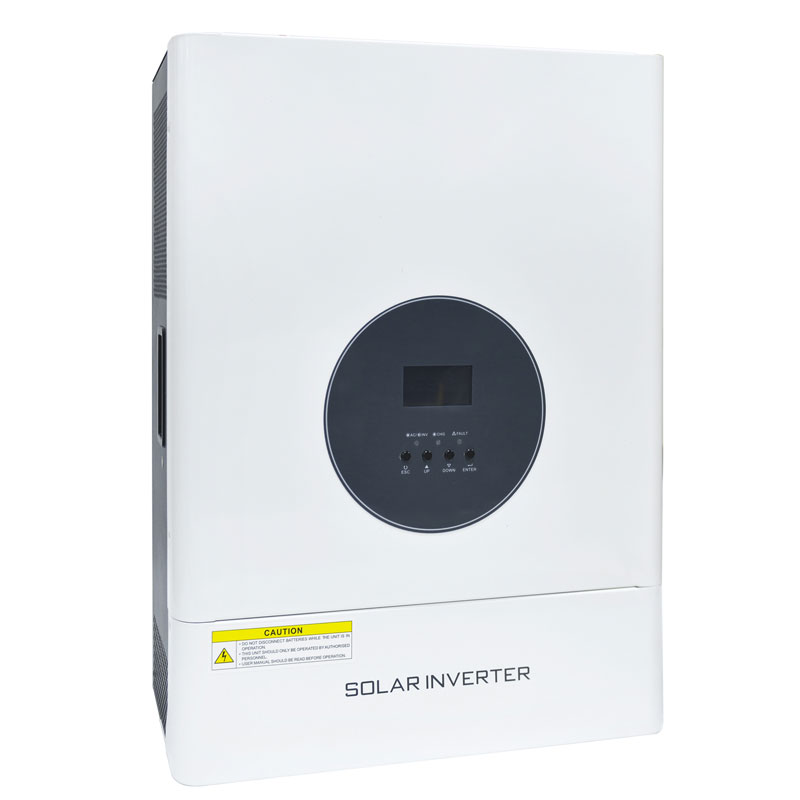
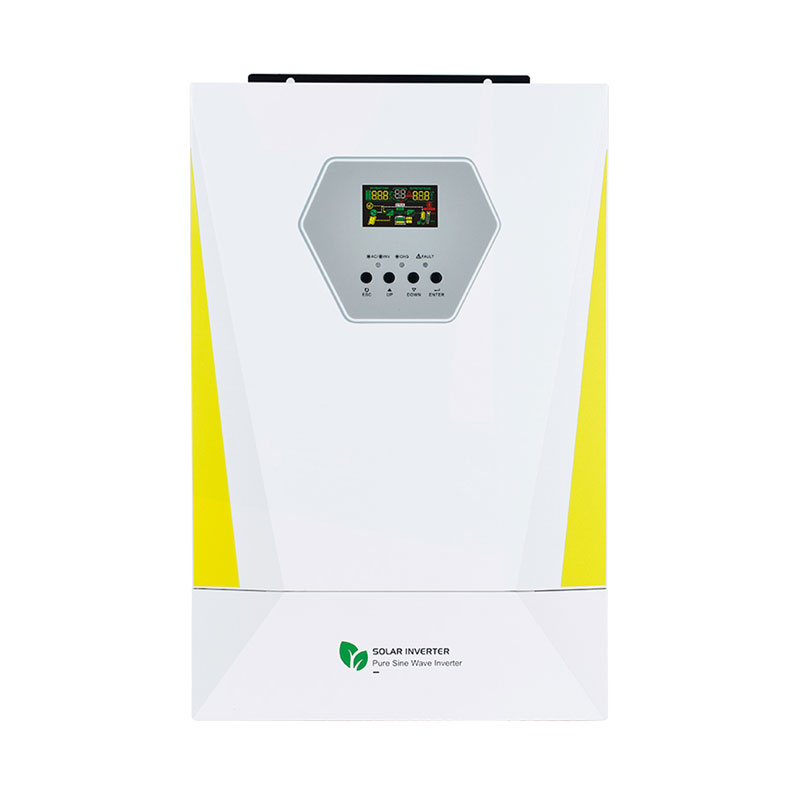
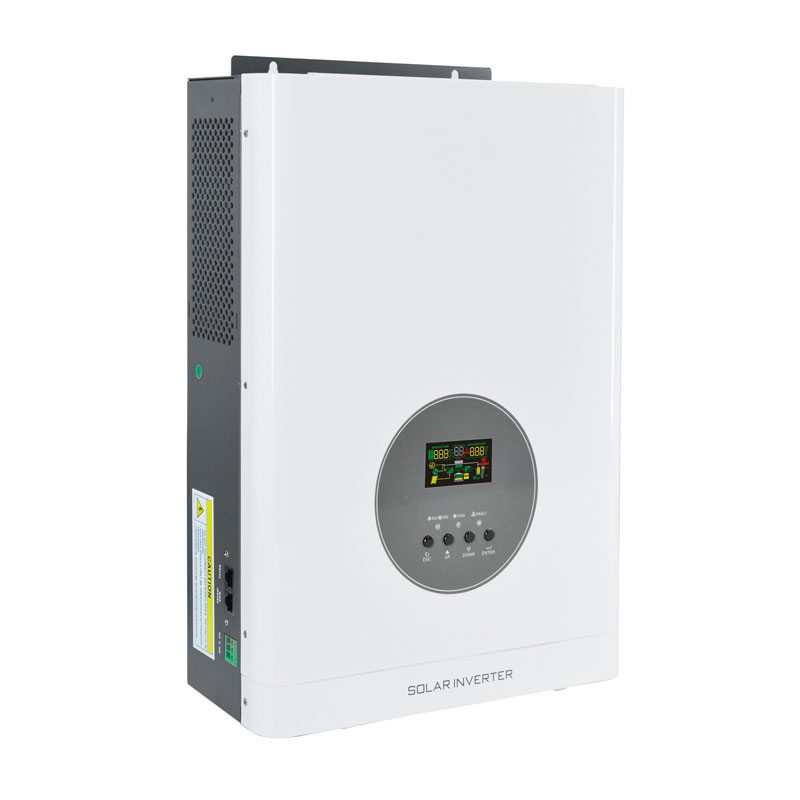
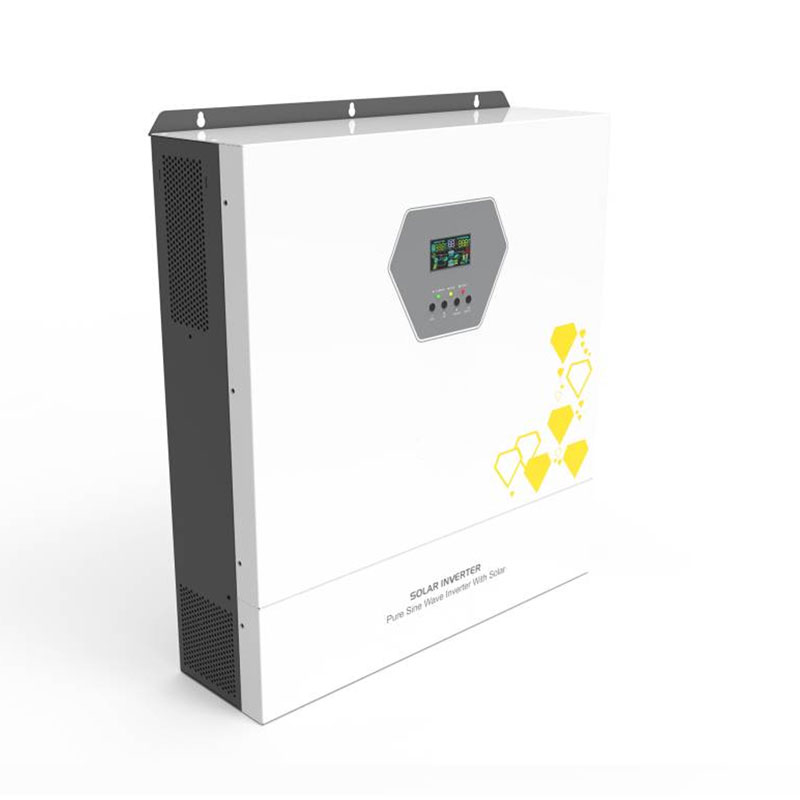
Featured Product: DeRun Off Grid Solar Inverter (UD Series)
Designed for off-grid and marine applications, the UD Series delivers stable, high-performance power even in demanding environments.
Key Features:
Pure sine wave output for sensitive equipment
Adjustable charging current and voltage
Generator auto-start and intelligent cooling
Compatible with lithium and lead-acid batteries
Surge power up to 3× rated capacity
Ideal For: Remote homes, islands, small businesses, and marine systems.
Conclusion: The Right Capacity Leads to Reliable Power
Selecting the right solar inverter capacity is not just about matching technical numbers — it’s about ensuring your system delivers consistent, efficient, and profitable energy performance over time.
For B2B buyers, this decision impacts your client satisfaction, maintenance costs, and brand reputation in the market.
At DeRun Inverter, we make this process easier. With our wide product portfolio, technical support, and OEM/ODM services, we help you design and deliver inverter solutions that fit your project perfectly.
Ready to Find the Perfect Inverter Capacity for Your Project?
Whether you’re planning a new solar installation or looking for a reliable manufacturing partner, DeRun Inverter can support your business from concept to delivery.
Contact Us Today to discuss your requirements or request a personalized inverter recommendation.
Power your success with DeRun — your trusted solar inverter manufacturer.