In recent years, energy storage systems (ESS) have become the cornerstone of the modern renewable energy landscape. As solar power generation continues to expand globally, efficient energy management and stable power supply are now more critical than ever. For distributors, EPC contractors, and project developers in the solar industry, understanding the role of the solar inverter in an ESS is essential for delivering reliable and profitable energy solutions.
In this guide, we’ll explore how a solar inverter functions within an energy storage system, why it’s vital for power stability, and how choosing the right inverter can maximize performance and ROI in commercial and industrial energy projects.
1. Understanding Energy Storage Systems (ESS)
An Energy Storage System (ESS) is a technology that captures energy produced at one time and uses it at a later time. In the context of solar energy, ESS allows excess electricity generated during the day to be stored in batteries and used when solar power generation is low—such as at night or during cloudy conditions.
A complete ESS typically includes the following components:
Solar panels (PV modules): Capture sunlight and convert it into DC power.
Battery storage unit: Stores excess power for later use.
Solar inverter: Converts DC electricity into usable AC power and manages system operations.
Battery Management System (BMS): Ensures the safe operation of the battery by monitoring temperature, voltage, and charge cycles.
Control and monitoring system: Optimizes energy flow between the PV array, battery, and load.
Among these, the solar inverter plays the most dynamic and central role — it’s the heart of the entire ESS.
2. The Central Role of Solar Inverters in ESS
2.1 DC to AC Conversion
At the core of every inverter’s functionality lies its ability to convert direct current (DC) from solar panels and batteries into alternating current (AC) power used by most electrical appliances and the utility grid. Without this conversion, energy stored in the system would remain unusable for most applications.
In ESS applications, the inverter must handle bidirectional power flow — it not only converts DC to AC but can also manage AC to DC charging when power is drawn from the grid to charge the batteries.
2.2 Power Flow Management
In an ESS, the inverter serves as the “energy traffic controller.” It intelligently balances energy distribution between the PV system, batteries, and the utility grid (or load).
For example:
During the day, it directs solar power to charge batteries and supply loads.
When solar generation drops, it automatically switches to battery discharge mode.
In hybrid systems, it ensures seamless power transition between grid and off-grid modes.
This intelligent management is what makes modern ESS solutions stable, efficient, and reliable.
2.3 System Protection and Safety
ESS inverters are also responsible for maintaining system safety. They include multiple protection mechanisms such as:
Overvoltage and short-circuit protection
Overload and temperature monitoring
Anti-islanding function (for grid-tied systems)
By ensuring all components operate within safe limits, the inverter protects the entire ESS from damage or instability.
2.4 Maximizing Energy Efficiency with MPPT
Modern ESS inverters incorporate Maximum Power Point Tracking (MPPT) technology, which continuously adjusts the electrical operating point of the solar panels to harvest maximum energy output.
This feature is especially important in variable sunlight conditions — ensuring your system always performs at optimal efficiency.
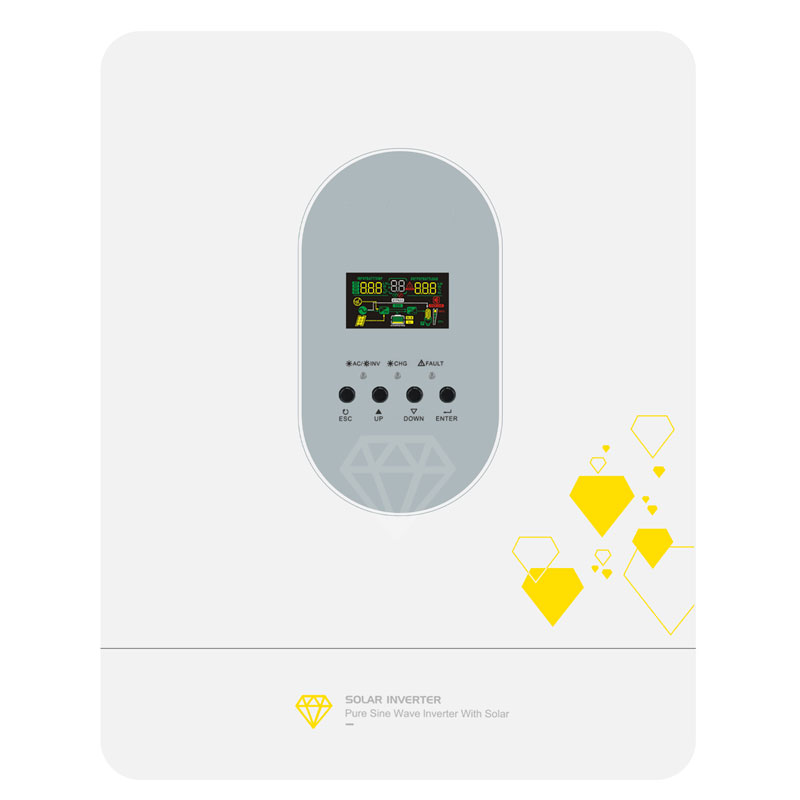
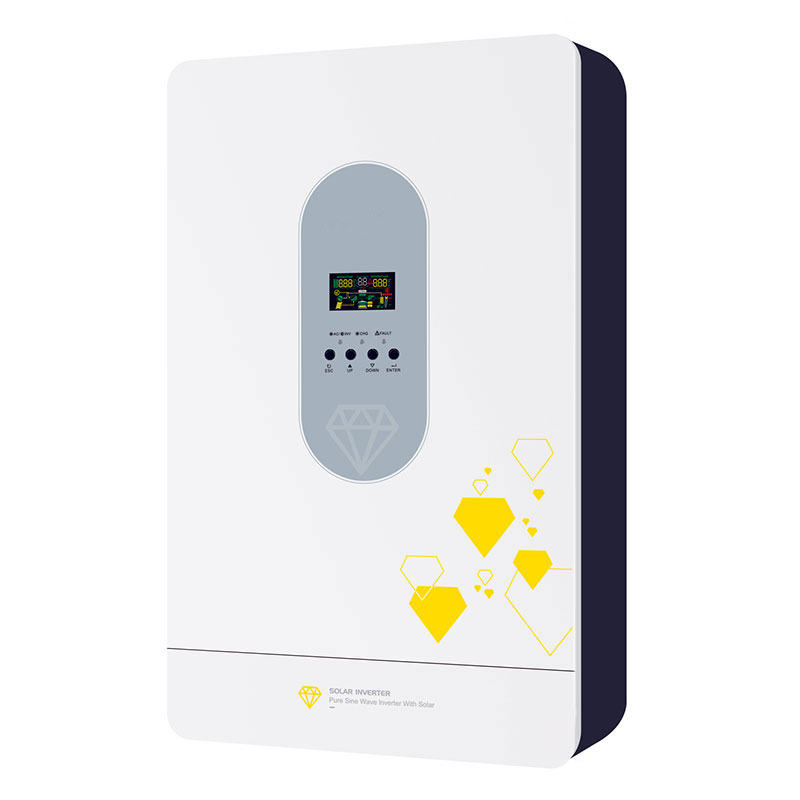
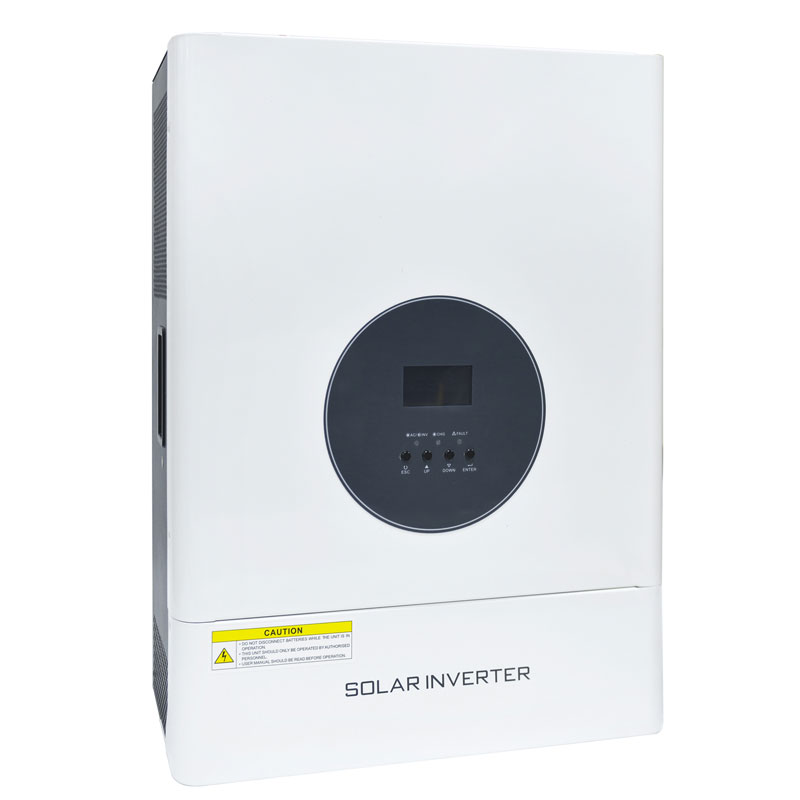
DeRun Inverter’s ESS Solar Inverter series, for instance, integrates high-precision MPPT controllers achieving up to 98% efficiency, ensuring that energy losses are minimized during conversion and storage.
Explore DeRun ESS Solar Inverters →
2.5 Communication and Control Integration
In advanced energy systems, communication between the inverter and the Battery Management System (BMS) is essential. The inverter uses real-time data from the BMS to optimize charging cycles, prevent over-discharge, and extend battery lifespan.
DeRun’s ESS Solar Inverters support multiple communication protocols (RS485, CAN, MODBUS) to ensure smooth integration with lithium and other battery chemistries — giving project engineers flexibility and reliability.
3. Benefits of Using High-Quality ESS Solar Inverters
Choosing a high-quality ESS solar inverter brings significant benefits to system performance, reliability, and long-term ROI — especially for commercial and industrial B2B applications.
3.1 Enhanced Efficiency
A premium ESS inverter ensures that more of the energy generated is effectively stored and utilized. With MPPT efficiencies reaching 98%, power losses are minimized, which directly improves system output and cost-effectiveness.
3.2 Improved Reliability and Stability
High-quality inverters include robust protection systems and are designed for long-term operation in harsh environments. This reliability is critical for remote sites, telecom stations, and industrial applications where power downtime is not acceptable.
3.3 Compatibility with Lithium Batteries
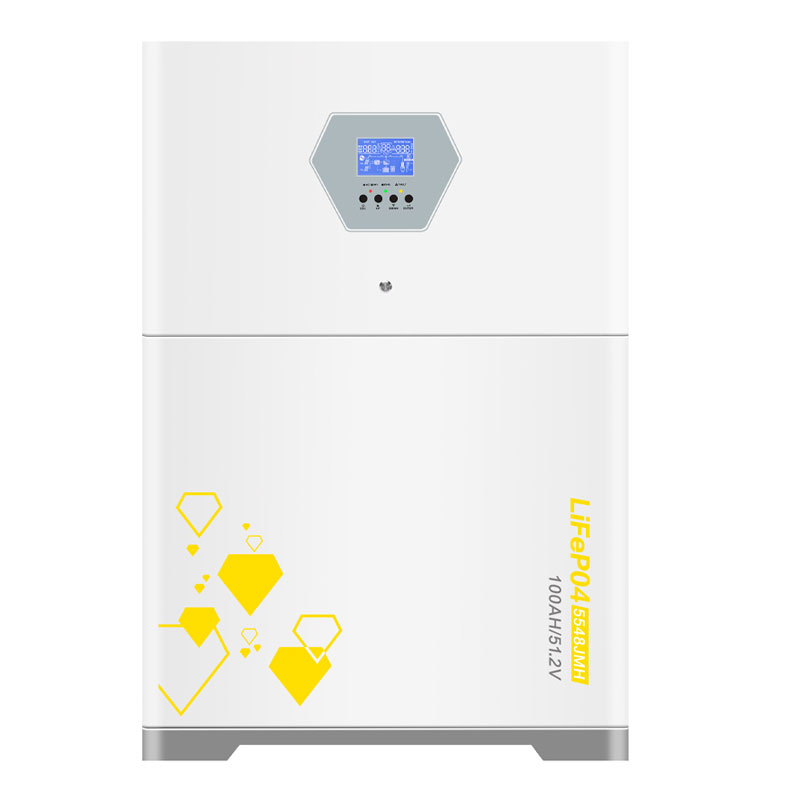
DeRun’s ESS inverters are designed for seamless integration with LiFePO4 and lithium-ion batteries, supporting auto-restart and intelligent BMS communication. This allows customers to build flexible and scalable ESS configurations.
3.4 Lower Maintenance Costs
With advanced cooling design and intelligent fault detection, maintenance is reduced to a minimum. Fewer breakdowns mean higher uptime and lower total cost of ownership for businesses.
3.5 Global Standard Compliance
DeRun Inverter products comply with major international standards such as CE, IEC, and ISO, ensuring that your ESS installations meet both local and export requirements.
4. Applications: Where ESS Inverters Make the Difference
Energy storage is increasingly vital across industries. ESS solar inverters are now widely adopted in the following scenarios:
4.1 Commercial Buildings and Industrial Facilities
Many companies are deploying solar ESS systems to stabilize power supply, reduce peak energy costs, and achieve sustainability goals.
For example, warehouses or factories with heavy equipment can use ESS to avoid grid fluctuations and ensure uninterrupted operations.
4.2 Remote and Off-Grid Locations
In off-grid or rural regions where power access is limited, ESS inverters provide reliable energy independence. Combined with solar panels and lithium storage, they ensure continuous operation for schools, hospitals, and telecom stations.
4.3 Microgrid and Backup Systems
For critical infrastructure like data centers or communication hubs, ESS inverters enable smooth load balancing and backup power supply during grid outages.
“In one commercial ESS project, a DeRun 11kW ESS Solar Inverter maintained 98% system efficiency and provided 24/7 stable power backup — significantly improving the site’s operational reliability.”
5. How to Choose the Right ESS Solar Inverter for Your Project
When selecting an ESS solar inverter, B2B buyers should consider the following key factors:
System Size and Load Requirements – Match inverter capacity to your project’s power demand.
Battery Compatibility – Ensure inverter supports lithium or specific BMS protocols.
Efficiency Rating – Look for MPPT efficiency above 97%.
Protection Features – Check for overload, overvoltage, and anti-islanding protection.
Certifications – Verify CE, IEC, or UL certifications for global compliance.
After-Sales Support and OEM Options – Reliable manufacturer support is crucial for long-term success.
Pro tip for B2B buyers: Partnering directly with an inverter manufacturer like DeRun Inverter ensures you get OEM customization, competitive pricing, and dedicated technical support.
6. Why Partner with DeRun Inverter
DeRun Inverter is a professional solar inverter manufacturer specializing in Off Grid, Hybrid, and ESS Solar Inverter solutions for global B2B customers.
Here’s what sets us apart:
Full product range: Off Grid, Hybrid, and ESS Solar Inverters
OEM & ODM manufacturing for custom business needs
Global export experience with compliance to international standards
Advanced MPPT and lithium battery support
Strong technical and after-sales support
Strict quality control ensuring durability and performance
Whether you’re a solar distributor, EPC contractor, or OEM partner, DeRun provides tailored inverter solutions that align with your project requirements and market standards.
7. Conclusion
In an era of accelerating renewable energy adoption, energy storage systems (ESS) have become indispensable — and solar inverters are at the very heart of these systems.
By efficiently converting, managing, and protecting power flow, ESS inverters ensure reliable performance, maximize energy efficiency, and maintain long-term system stability.
For B2B clients looking to deliver advanced, scalable energy storage solutions, choosing the right inverter manufacturer is the first step toward success.
Partner with DeRun Inverter — your trusted OEM/ODM solar inverter manufacturer — and explore how our ESS Solar Inverter series can power your next project with efficiency and confidence.
Contact DeRun Inverter today to request a quote or discuss your OEM customization needs.