Introduction: The Growing Demand for Hybrid Solar Inverters in Modern Energy Solutions
As the solar energy market continues to grow, businesses, industries, and homeowners are looking for more flexible and efficient ways to manage their energy use. Enter the hybrid solar inverter — a game-changing technology that offers the best of both worlds: solar power and energy storage.
For B2B buyers like distributors, installers, and system integrators, understanding how hybrid solar inverters work is crucial to offering scalable, reliable solar solutions to clients. In this blog, we’ll dive deep into what hybrid solar inverters are, how they work, and why they are the perfect choice for commercial and industrial solar systems. We’ll also explore how DeRun’s Hybrid Solar Inverter solutions can help take your solar projects to the next level.
What Is a Hybrid Solar Inverter?
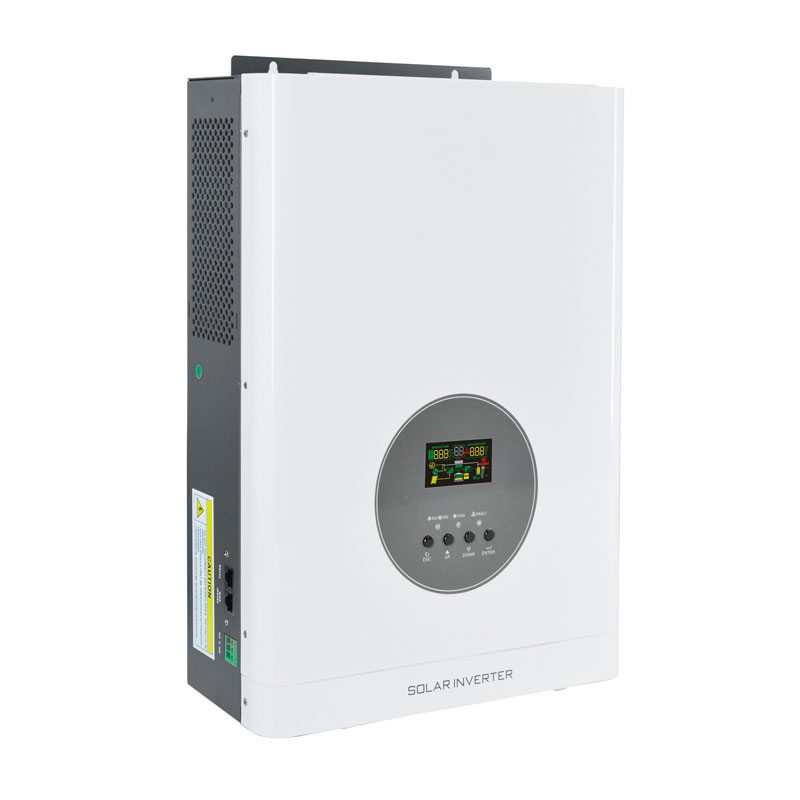
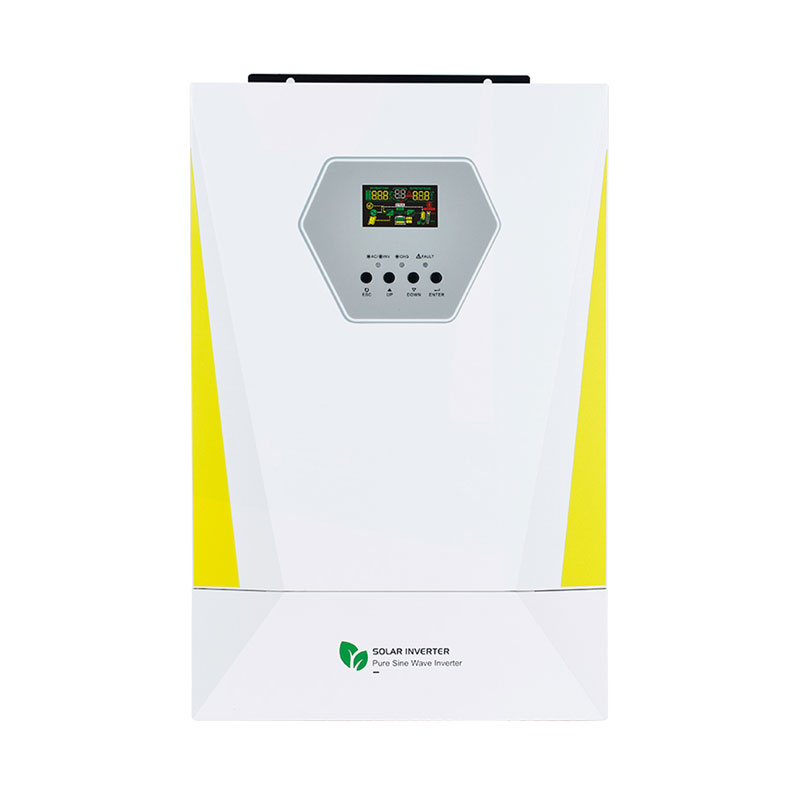
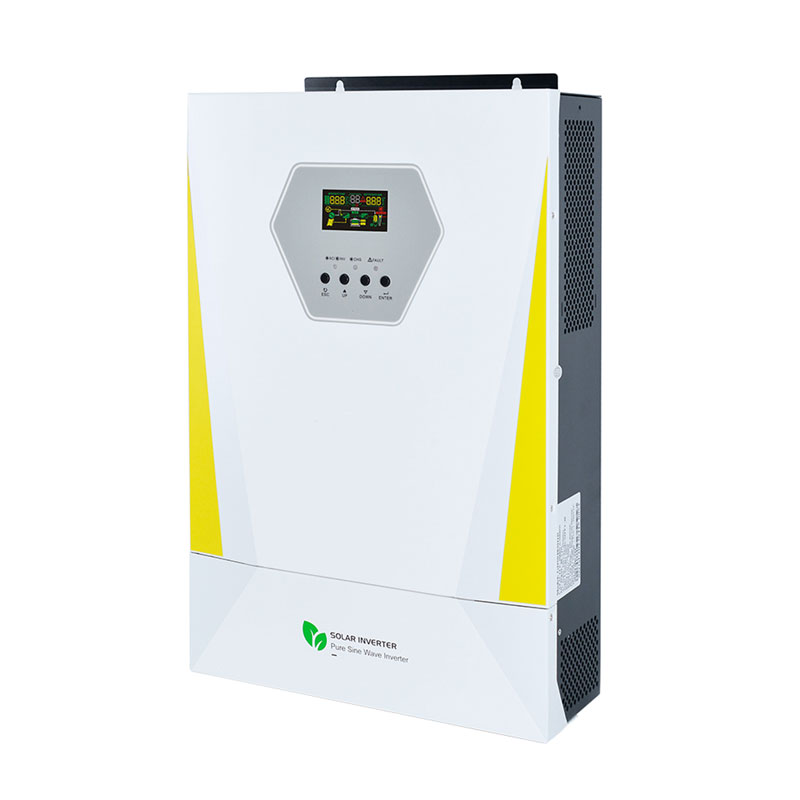
A hybrid solar inverter is a cutting-edge piece of technology that serves as the heart of a solar energy system. Unlike traditional grid-tied or off-grid inverters, hybrid solar inverters are designed to manage both solar energy generation and energy storage simultaneously.
Hybrid inverters are capable of:
Converting DC to AC power from solar panels
Managing energy storage in batteries (typically lithium-ion or lead-acid)
Optimizing power usage between solar, battery, and grid supply
This makes them the ideal solution for businesses that want to maximize their energy independence, save on electricity costs, and ensure continuous power availability.
How Does a Hybrid Solar Inverter Work?
At the core of a hybrid inverter is its ability to work seamlessly with solar panels, batteries, and the grid. Here's a breakdown of how the system operates:
Solar Panel DC to AC Conversion:
The solar panels generate direct current (DC) electricity when exposed to sunlight. The hybrid inverter converts this DC into alternating current (AC), which is used to power appliances and equipment on-site.
Energy Storage Management:
A hybrid inverter is also connected to a battery storage system. When the solar power generation exceeds the demand, the inverter diverts the excess energy to charge the battery. The battery stores this energy for later use, especially during periods when solar generation is low or unavailable (e.g., at night).
Power Distribution Between Solar, Battery, and Grid:
Supplies energy from the battery to the load
Or draws power from the grid if needed
Power the load (e.g., equipment, lights, etc.)
Charge the battery
The inverter intelligently manages energy distribution between the solar system, the battery, and the grid.
When solar production is high, the inverter can:
When solar power is insufficient (e.g., at night or during cloudy days), the inverter:
Grid Interaction (Optional):
Hybrid inverters also allow for grid connectivity. In regions with net metering, any excess energy can be fed back to the grid, providing additional revenue or credits for the business.
Benefits of Hybrid Solar Inverters
1. Energy Independence and Reliability
Hybrid solar inverters allow businesses to store excess energy, ensuring they have a backup power source when the grid is unavailable or during peak demand times. This is particularly useful for critical infrastructure such as data centers, hospitals, and telecom stations, where constant power supply is crucial.
2. Cost Savings and Energy Optimization
By storing solar energy, businesses can reduce reliance on the grid and lower electricity bills. The inverter’s ability to optimize energy use between solar, storage, and grid makes it a highly cost-effective solution for businesses looking to control their energy expenses.
3. Scalability for Growing Energy Needs
Hybrid solar inverters are easily scalable, making them perfect for commercial and industrial projects. As a business expands, the system can be scaled up with additional batteries or solar panels without requiring a complete system overhaul.
4. Flexibility and Smart Energy Management
Hybrid inverters are equipped with smart monitoring systems, allowing businesses to monitor their energy use in real-time and make adjustments remotely. This allows for better performance tracking, fault detection, and system diagnostics, enhancing the overall management of solar systems.
5. Support for Different Power Sources
A hybrid inverter is not just limited to solar energy; it can also manage multiple power sources:
Solar Panels: For renewable energy generation
Battery Storage: For backup and off-peak use
Grid Power: For extra flexibility and power when needed
Why Choose a Hybrid Solar Inverter for Your Project?
Hybrid solar inverters offer unmatched flexibility and versatility, making them ideal for commercial, industrial, and off-grid projects. Here are several key reasons why hybrid inverters are a top choice for businesses:
Energy Resilience: Hybrid inverters provide the ability to store and use energy even during blackouts or periods of high electricity demand. This is crucial for businesses that need to operate without interruptions.
Future-Proof Solution: As energy storage technology improves and becomes more affordable, hybrid inverters can adapt to growing energy demands and changing energy production methods.
High ROI: The combination of solar power and energy storage maximizes the value of every watt of solar energy produced, offering businesses a faster return on investment. Hybrid inverters can also be paired with financial incentives like tax credits and rebates in many regions, adding additional savings.
DeRun Hybrid Solar Inverters: Powering Your Projects with Reliability and Efficiency
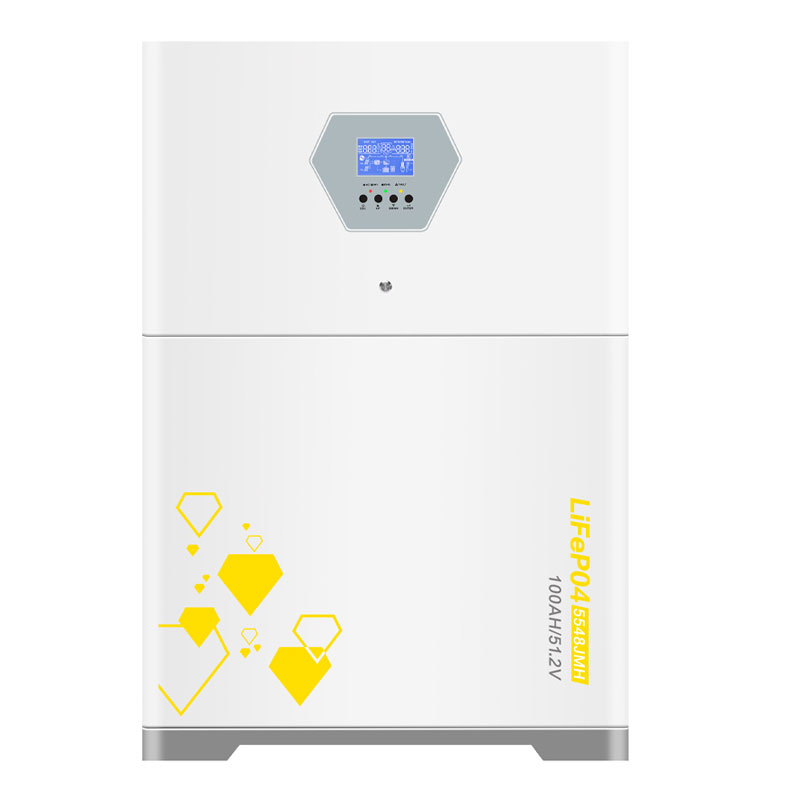
At DeRun Inverter, we specialize in providing high-quality Hybrid Solar Inverters that are designed for commercial, industrial, and residential energy systems. Our hybrid inverters come equipped with cutting-edge features to deliver reliable and efficient performance, no matter the size of the project.
Key Features of DeRun’s Hybrid Solar Inverters:
Advanced MPPT (Maximum Power Point Tracking) for higher efficiency.
Battery charging and discharging management, ensuring optimal battery life.
Dual power source integration: Seamless switching between solar, battery, and grid.
Smart monitoring and control: Allows remote monitoring via smartphone or web interface.
Wide voltage range compatibility: Works with a variety of solar panels and battery systems.
Reliable and durable: Built for long-lasting performance in demanding environments.
How DeRun Can Support Your Business with Hybrid Solar Inverters
Whether you're a distributor, installer, or EPC contractor, DeRun Inverter offers a range of Hybrid Solar Inverter solutions that can be customized to meet your project’s unique requirements.
Our Services Include:
OEM/ODM Customization: Tailored inverter solutions to fit your brand or project specifications.
Global Shipping: Export-ready with compliance to international standards.
Technical Support and Training: Dedicated assistance for installation, maintenance, and troubleshooting.
Competitive Pricing: Quality hybrid inverters at market-competitive prices.
Fast Turnaround: Efficient manufacturing and fast delivery to meet your project timelines.
Conclusion: Hybrid Solar Inverters for the Future of Energy
Hybrid solar inverters represent the next generation of solar technology. They offer businesses the flexibility to generate, store, and use energy more efficiently, ensuring reliability, cost savings, and energy independence.
If you’re a B2B buyer looking for high-quality, reliable hybrid inverters for your commercial or industrial projects, look no further than DeRun Inverter. Our state-of-the-art Hybrid Solar Inverters provide the perfect solution for businesses seeking smarter, greener energy solutions.
Ready to Power Your Project with DeRun Hybrid Solar Inverters?
Contact Us Today to learn more about our Hybrid Solar Inverter solutions or request a personalized quote for your next solar project.