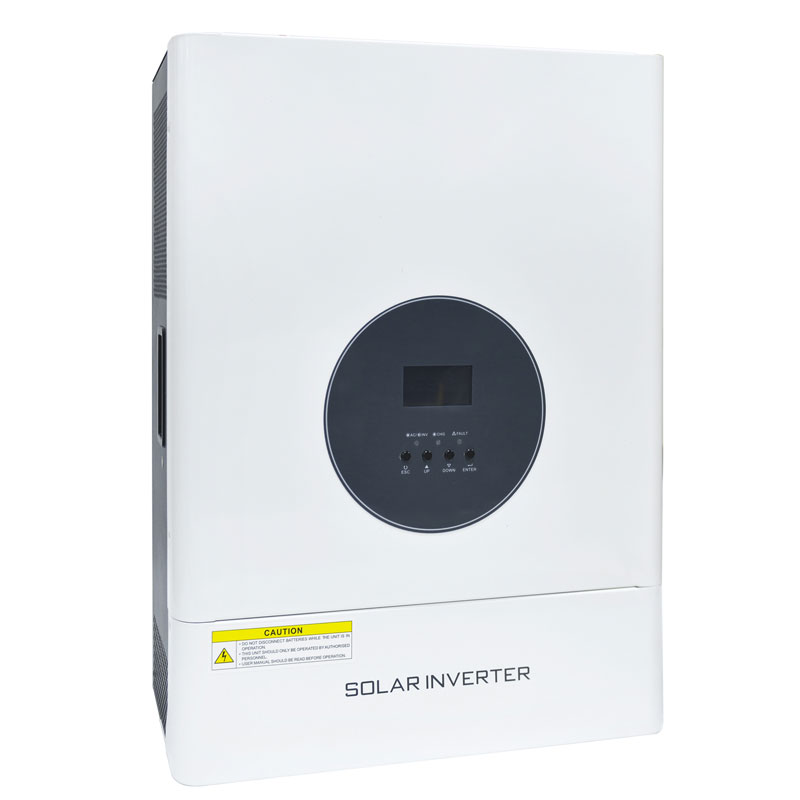
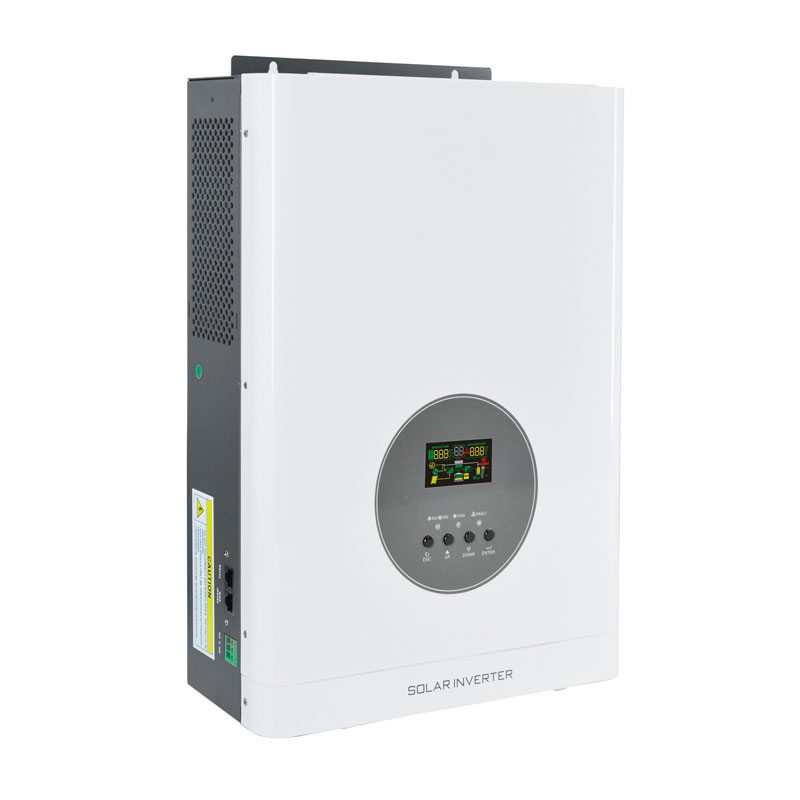
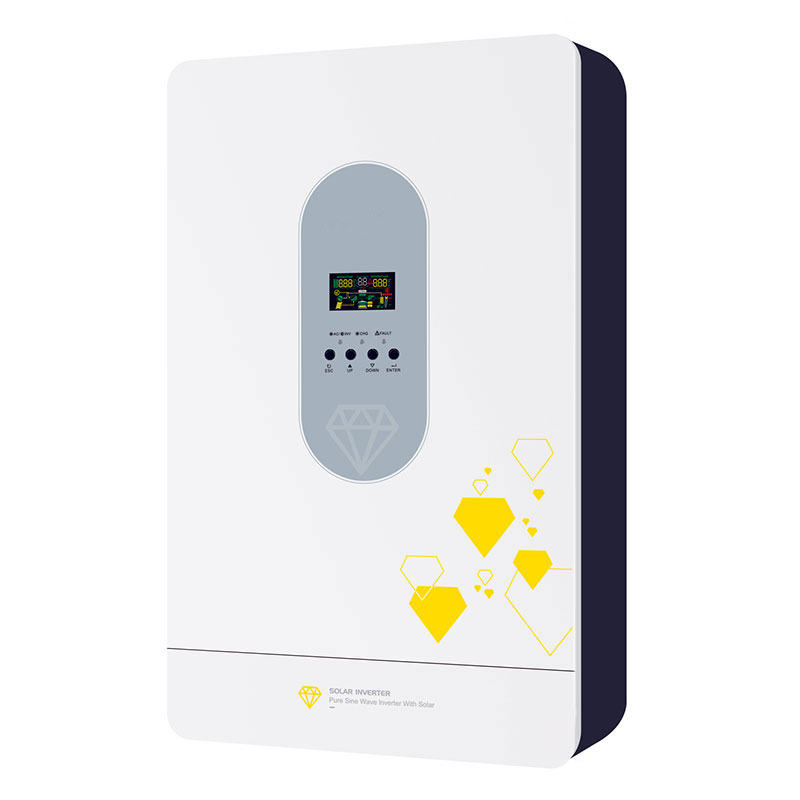
Let’s face it: the world’s energy needs are constantly changing, and with that, the way we generate and use electricity is evolving too. Traditional power grids just don’t cut it for everyone. So, what's the solution when you're off the beaten path, in a remote location, or even in the middle of a disaster zone? Off-grid solar inverters.
You’ve probably heard the term before, but do you really understand what off-grid solar inverters can do? And more importantly, how they can be the game-changer for industries that need reliable, cost-effective, and sustainable energy solutions? If you're still wondering, stick around—this article will give you the rundown on how off-grid solar inverters are revolutionizing everything from agriculture to disaster recovery.
What Exactly is an Off-Grid Solar Inverter?
In the simplest terms, an off-grid solar inverter converts the direct current (DC) from solar panels into alternating current (AC), which is the type of electricity most businesses and homes use. But here’s the kicker—this all happens independently of the power grid. So, no need for connections to the electrical grid, no power outages, and no reliance on fossil fuels. It’s just pure, clean energy, wherever and whenever you need it.
But here’s the real question: Why does that matter to industries? Why are companies increasingly turning to off-grid solar inverters as their preferred energy source? The answer lies in the reliability, scalability, and cost-effectiveness these systems offer.
1. Agriculture: Powering Farms Beyond the Grid
Do you really think a farm can run on just traditional grid power? For farmers in rural or remote areas, getting electricity isn’t always as simple as flipping a switch. A sudden storm or grid failure could mean losing hours—or even days—of power to critical systems like irrigation or refrigeration.
Enter off-grid solar inverters.
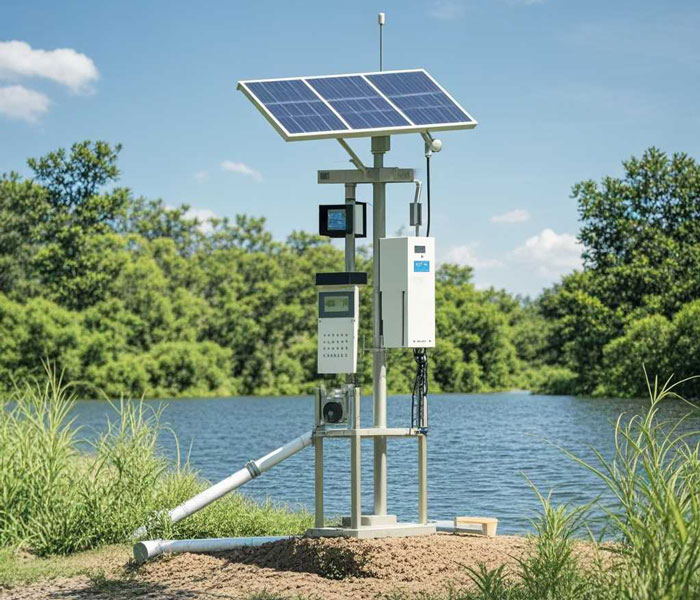
Farms can harness the sun’s energy to run irrigation pumps, greenhouses, livestock facilities, and even refrigeration for perishables—all without worrying about grid outages. That means they can power their operations 24/7, no matter the weather or location. Plus, solar energy is free once the system is set up. How much money can that save?
In fact, the agricultural industry has already embraced solar energy. Take India, for instance: the Indian government’s solar irrigation scheme has installed solar-powered irrigation pumps in over 2,000 villages, providing farmers with access to irrigation systems and boosting crop productivity without relying on the unreliable local power grid.
2. Mining: Light Up the Darkest Places on Earth
Mining is one of the most energy-intensive industries, and it often takes place in some of the most remote areas. What happens when your mining operations are 200 miles away from the nearest power grid? You use diesel generators… right?
Well, not anymore.
With off-grid solar inverters, mining companies can cut their reliance on expensive and polluting diesel generators. Solar power is cleaner, cheaper, and, quite frankly, a smarter option for powering everything from lighting and communication systems to heavy machinery and processing equipment.
Did you know that solar-powered mining operations can save over 50% on energy costs compared to traditional diesel-powered systems? The mining industry has long been notorious for its high carbon footprint, but by switching to solar, it’s taking big strides toward reducing both costs and emissions.
3. Remote Areas and Rural Electrification: Bringing Light to the Unconnected
Still think of rural areas as those quaint little places with no electricity? You’d be wrong. The reality is that over 1 billion people worldwide still don’t have reliable access to electricity. That’s a massive problem, right? But what if solar energy could help change that?
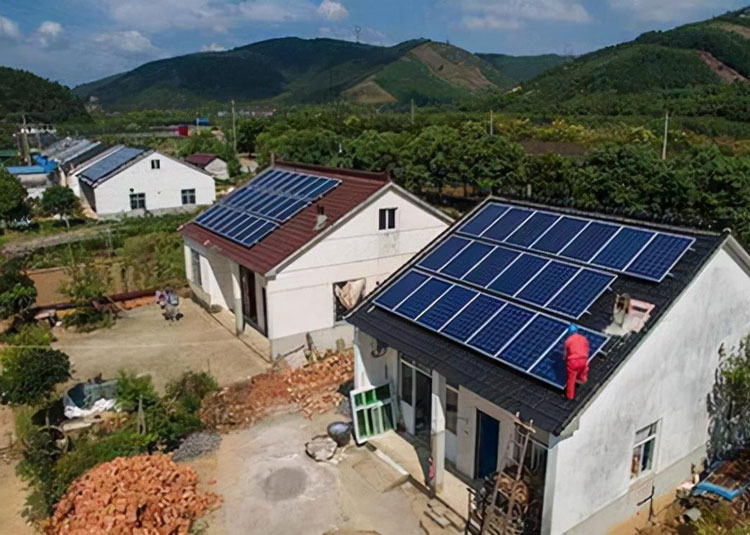
Here’s the deal: off-grid solar inverters are the perfect solution to electrify these unconnected areas. Imagine a small village in the middle of the desert, mountains, or a jungle. Installing a small solar system can power schools, homes, hospitals, and community centers, all without the need for a centralized grid.
In Kenya, over 30,000 households in rural areas have been powered by off-grid solar systems. These systems not only provide light but also fuel economic growth by allowing businesses to run efficiently and allowing kids to study at night. And as you might expect, this leads to a ripple effect—more business, more jobs, and more opportunities for the community.
4. Disaster Recovery: Emergency Power That Saves Lives
When natural disasters strike, electricity is often one of the first things to go. You can bet that hospitals, emergency shelters, and communications centers need power—and they need it fast. What happens when the grid goes down and there's no backup power?
Off-grid solar inverters are here to provide an immediate, sustainable solution during disaster recovery. Unlike generators, which require fuel and maintenance, solar-powered systems can keep critical services running for days, weeks, or even months, without additional costs or environmental damage.
Take the aftermath of Hurricane Maria in Puerto Rico, for example. Solar-powered systems with off-grid inverters provided reliable power to emergency relief operations and helped to restore communications when the grid was down for months. Without these solar solutions, recovery efforts would have been even more difficult.
5. Telecommunications: Keeping the Connection Alive
In today’s world, a dropped phone call or internet connection can feel like a crisis. Now, imagine how critical telecommunications are when you’re in a remote location or disaster zone. How do you stay connected when the power goes out?
Off-grid solar inverters are increasingly being used to power telecom towers, ensuring that remote or disaster-stricken areas remain connected. Whether it’s for emergency communication, remote work, or providing internet access to underserved areas, solar-powered telecom stations keep everything running smoothly.
Did you know that off-grid solar telecom stations can reduce energy costs by up to 70% compared to traditional grid power or diesel generators? That’s a huge saving for telecom operators—and a big win for everyone relying on those services.
6. Construction: Powering Job Sites Without the Hassle
Construction sites are rarely in the middle of cities with access to power grids. And let’s not even talk about the noise and air pollution of diesel generators. But why bother with all that when you could use solar-powered systems?
Off-grid solar inverters are already being used to power construction sites, providing energy for lights, power tools, and even machinery. With solar systems in place, construction sites can run efficiently and sustainably, even in the most remote locations.
In fact, some construction companies are now relying on solar systems to keep their projects on schedule, while also improving their sustainability efforts and reducing their carbon footprint.
Wrapping It Up: Is It Time to Go Off-Grid?
So, what do all these industries have in common? They all share a need for reliable, sustainable, and cost-effective energy solutions. And off-grid solar inverters are making that possible. From agriculture to mining, rural electrification to disaster recovery, these systems are transforming how energy is generated and consumed, no matter how far you are from the nearest grid connection.
Are you ready to explore how off-grid solar inverters can benefit your business or community? Whether you’re a company operating in remote areas or a government agency looking to provide sustainable energy to underserved communities, there’s a solar solution that can meet your needs.
Contact us today to learn more about our off-grid solar solutions and see how we can help power your operations, no matter where you are.