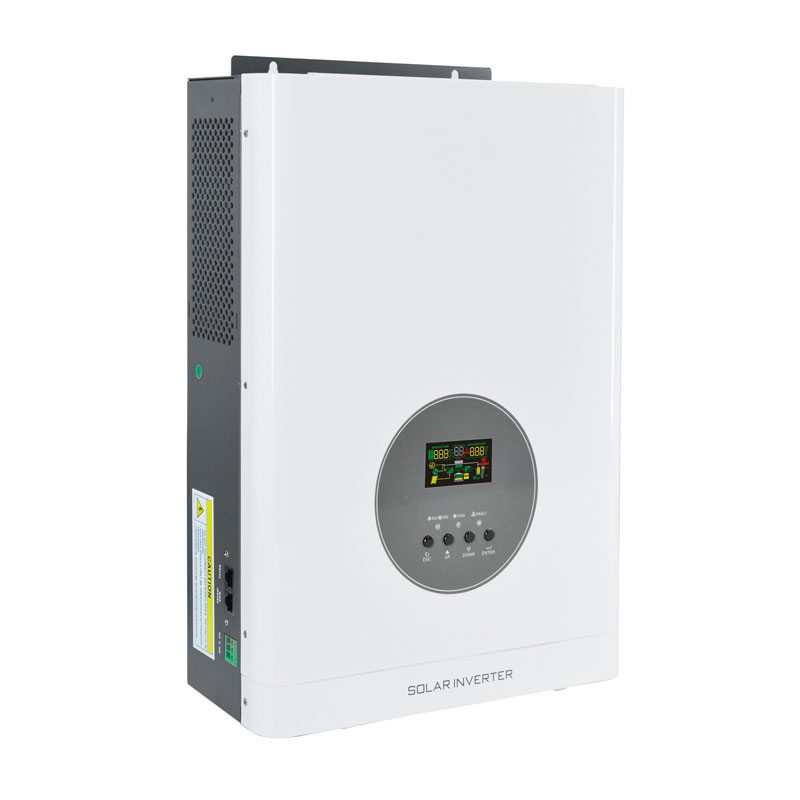
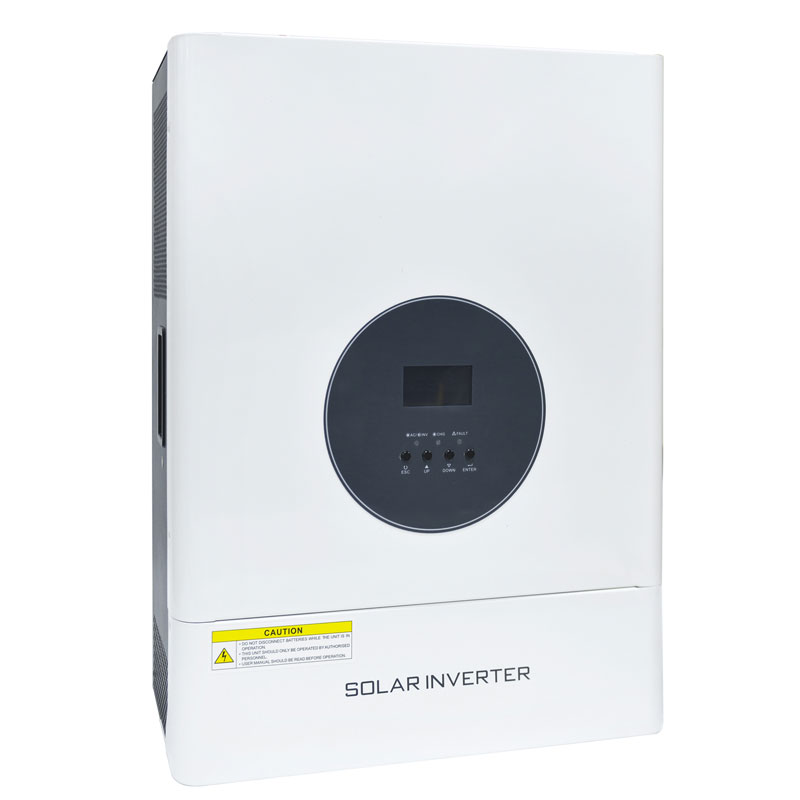
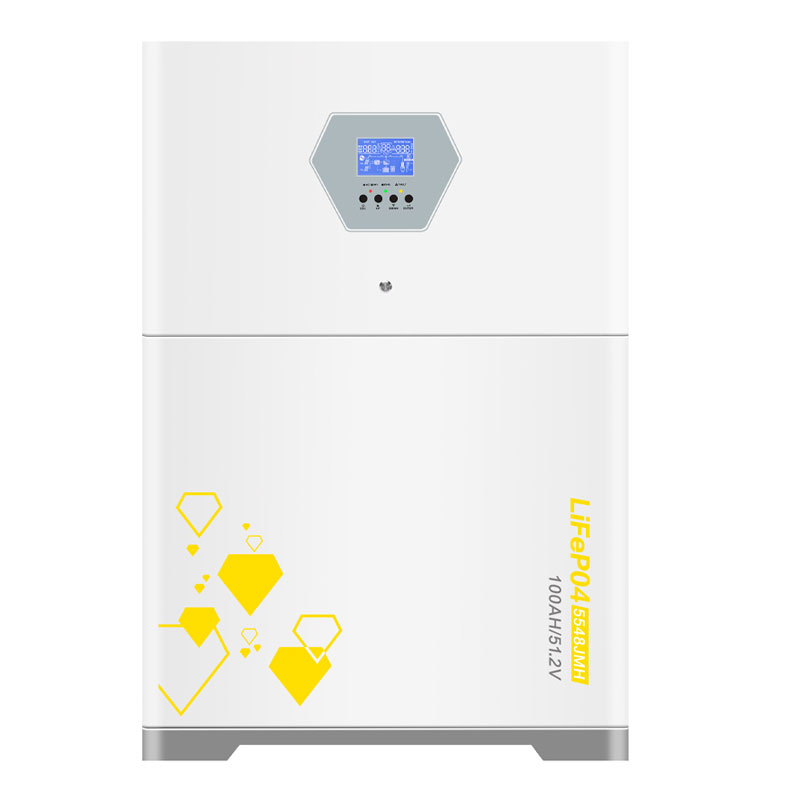
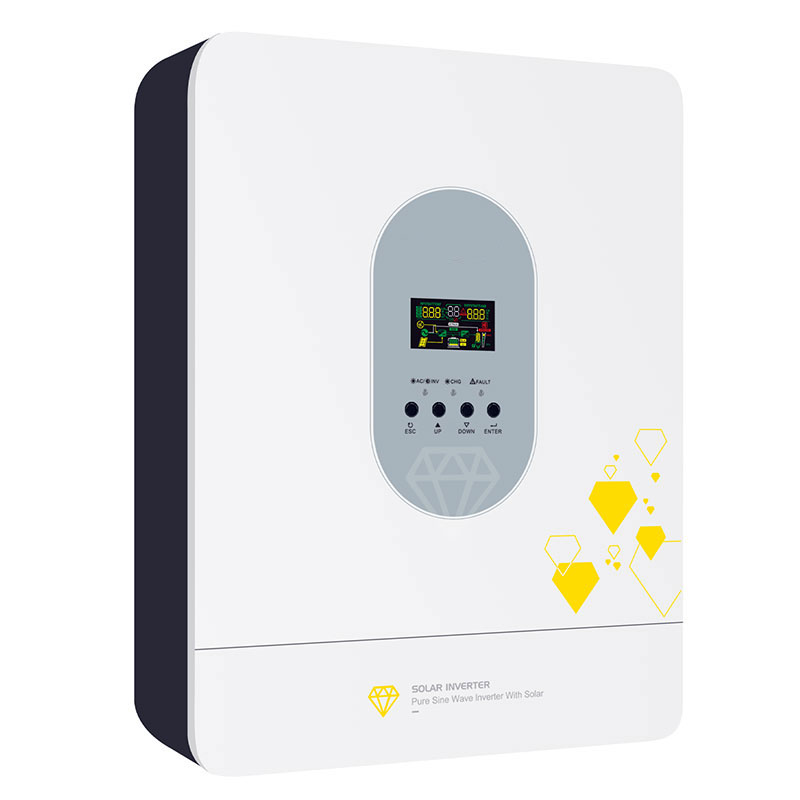
Introduction: The Next Step in Solar Evolution
The solar industry is rapidly advancing toward a new era—one defined by intelligence, connectivity, and automation. Gone are the days when solar inverters served as simple energy converters. Today, they are becoming the “brains” of the photovoltaic (PV) system, capable of thinking, analyzing, and optimizing performance in real time.
For B2B buyers, including solar distributors, EPC contractors, and energy solution providers, this transformation represents enormous opportunities. Smarter inverters not only deliver higher efficiency but also provide advanced monitoring, predictive maintenance, and grid management capabilities.
This article explores how AI (Artificial Intelligence), smart monitoring, and IoT (Internet of Things) technologies are shaping the future of solar inverters—and how manufacturers like DeRun Inverter are bringing these innovations to life through practical, reliable solutions.
1. The Shift Toward Smart and Connected Solar Inverters
Traditional inverters were designed primarily to convert DC power into usable AC power. But as the global energy landscape evolves, solar systems are now expected to be intelligent, adaptive, and connected.
Smart inverters are capable of much more than power conversion. They communicate with grids, analyze performance, and make autonomous decisions to enhance energy production. According to market research, by 2027, nearly 70% of new commercial solar installations will use inverters with built-in IoT or AI-driven monitoring systems.
For distributors and system integrators, this shift means:
Easier remote system management.
Improved operational visibility across multiple sites.
Reduced maintenance costs and downtime.
These advantages make smart inverters a preferred choice for businesses aiming to offer advanced, high-value solar solutions.
2. Artificial Intelligence: Making Inverters Smarter
AI is fundamentally changing how inverters operate. Through advanced algorithms, inverters can learn, adapt, and optimize themselves based on real-world conditions.
2.1 Predictive Performance Optimization
Traditional inverters rely on static settings, but AI-based systems analyze input data—such as sunlight intensity, shading, temperature, and load demand—in real time. This allows the inverter to adjust its parameters automatically, achieving maximum energy harvest under any conditions.
2.2 Fault Prediction and Preventive Maintenance
AI helps detect irregularities before they become failures. For example, if an inverter detects a gradual efficiency drop or temperature anomaly, it can send an alert or even auto-adjust its cooling fan speed. This predictive capability is a game-changer for large-scale solar farms and commercial projects.
2.3 Energy Forecasting and Load Balancing
When integrated with energy storage systems, AI-driven inverters can forecast power usage and solar generation trends, intelligently managing energy flow between the battery and grid.
DeRun Inverter integrates advanced AI control algorithms across its new-generation product lines, enhancing MPPT efficiency and system adaptability. Whether for Off Grid, Hybrid, or ESS Solar Inverters, these smart technologies help ensure stability, reliability, and long-term cost savings for business partners.
3. IoT Integration: Connecting Solar Systems for Global Efficiency
The Internet of Things (IoT) has redefined how energy systems communicate. Inverters equipped with IoT modules can connect seamlessly with cloud platforms, providing real-time performance data to users anywhere in the world.
3.1 Cloud Connectivity and Remote Control
IoT-enabled inverters allow remote configuration and performance tracking. Distributors and project developers can monitor hundreds of units through a single interface—identifying underperforming systems instantly without dispatching maintenance teams.
3.2 Real-Time Data Analytics
Through IoT connectivity, data such as voltage fluctuations, grid frequency, and energy yield can be collected and analyzed to improve operational strategies. This ensures faster troubleshooting and informed business decisions.
3.3 Firmware and Software Updates
IoT integration allows automatic updates and diagnostics, keeping each inverter up to date with the latest firmware enhancements. This ensures maximum compatibility with smart grids and energy storage systems.
4. Smart Monitoring: Data-Driven Energy Management
Smart monitoring platforms are the backbone of intelligent energy systems. For B2B buyers managing multiple solar installations, access to accurate, real-time data is vital.
4.1 Centralized Monitoring for Multi-Site Projects
A centralized monitoring system enables users to track and compare the performance of inverters across multiple locations. It simplifies maintenance scheduling and ensures consistent energy output.
4.2 Automated Alerts and Reporting
Modern monitoring platforms send instant notifications when any inverter operates outside its normal parameters—helping teams respond quickly to prevent downtime.
4.3 Long-Term Data Insights
The collected data supports long-term analysis, helping distributors and EPC contractors plan system upgrades, expansions, or replacements based on actual performance history.
Discover how DeRun Inverter’s Hybrid Solar Invertersintegrate smart monitoring systems, enabling efficient power management and intelligent control for both residential and commercial projects.
5. Benefits of AI and IoT for Solar Businesses
Adopting AI- and IoT-based inverter solutions delivers measurable business advantages for distributors and developers:
Higher Operational Efficiency – Remote monitoring and predictive diagnostics reduce the need for on-site inspections.
Improved System Reliability – Continuous learning algorithms maintain optimal system performance.
Lower Maintenance Costs – Preventive maintenance minimizes repair frequency and replacement needs.
Enhanced Customer Satisfaction – End users benefit from stable and intelligent energy management.
Data Transparency – Real-time data access builds trust with clients and investors.
These benefits directly support business scalability and customer retention—two critical factors in the competitive solar market.
6. The Role of Smart Inverters in Energy Storage Systems (ESS)
Energy Storage Systems (ESS) are becoming increasingly important in both commercial and residential solar setups. Smart inverters bridge the gap between energy generation and storage.
AI and IoT-enabled inverters:
Automatically balance energy between the solar array, battery bank, and utility grid.
Optimize charge/discharge cycles for maximum battery lifespan.
Provide detailed insights into energy flow and efficiency.
By integrating these technologies, DeRun Inverter’s ESS Solar Inverters help clients achieve stable, sustainable, and flexible power management for off-grid and hybrid applications.
7. How DeRun Inverter Prepares for the Future
As a professional solar inverter manufacturer, DeRun Inverter is committed to building intelligent, efficient, and durable power solutions for global partners.
Our R&D focus includes:
AI-driven MPPT optimization for higher energy yields.
IoT-enabled remote diagnostic systems for easier operation and maintenance.
Cloud-based monitoring platforms for large-scale deployments.
Advanced protection mechanisms ensuring long-term stability under harsh environments.
Every Off Grid, Hybrid, and ESS Solar Inverter we produce undergoes full functional and burn-in testing, ensuring each unit meets the highest standards of quality and performance.
Businesses worldwide rely on DeRun Inverter’s technology to build future-ready solar projects. From remote villages to industrial facilities, our intelligent inverter solutions keep energy flowing—reliably and efficiently.
8. Global Market Outlook: Smart Solar Is the Future
The global market for smart solar inverters is projected to grow significantly over the next decade. Key drivers include:
Increasing demand for energy independence.
Expansion of renewable grid infrastructure.
Rising importance of AI-based maintenance and diagnostics.
Growing government incentives for smart energy systems.
B2B companies that embrace these innovations early will gain a strong competitive edge—offering smarter products, faster services, and higher customer satisfaction.
9. Conclusion: Powering Tomorrow with Intelligence
The future of solar inverters lies in their ability to think, communicate, and optimize. With the integration of AI, smart monitoring, and IoT, inverters are evolving from passive devices into active system managers.
For distributors, EPC contractors, and project developers, this transformation means greater control, higher efficiency, and reduced operational costs.
DeRun Inverter is at the forefront of this evolution—combining advanced technology with reliable engineering to support your business’s success.
If your next solar project demands intelligent performance and dependable quality, explore our inverter solutions to see how we can help power your future with innovation.