If you’ve ever tried to navigate the world of solar energy, you’ve probably realized something: the inverter you choose can completely change how your system works.
Some promise full independence, others focus on efficiency, and some try to do it all. But with so many options out there — off-grid, grid-tied, and hybrid — how do you actually know which one fits your needs best?
Let’s break it down in plain English.
Why Your Inverter Choice Really Matters
A solar inverter is often called the brain of your system. It converts DC electricity from solar panels into usable AC power for your home, office, or project site.
But it does more than that — it determines how your system interacts with the grid, batteries, and even backup generators.
In other words, the inverter doesn’t just power your lights — it defines your energy lifestyle.
Whether you’re building a remote cabin setup, a commercial solar array, or a resilient microgrid, choosing the right inverter can mean the difference between a system that runs smoothly for years… or one that keeps shutting down when you need it most.
Off-Grid Inverters: Energy Independence at Its Core
Let’s start with the dream of complete freedom — no electricity bills, no grid dependence, just pure solar self-reliance.
That’s what off-grid inverters deliver.
They’re designed to operate entirely independently of the utility grid. The inverter draws power from solar panels (and often batteries), providing energy to your home or facility even in the middle of nowhere.
Imagine a cabin in the mountains, a boat at sea, or a telecom tower far from civilization — the grid doesn’t reach there, but the sun always does.
Off-grid systems usually include:
Solar panels
An off-grid inverter
Battery storage
Sometimes a backup generator
The batteries store excess power for night use or cloudy days. The inverter manages this balance, ensuring stable AC power even when sunlight fluctuates.
For example, modern off-grid systems now come with advanced controls for reliability.
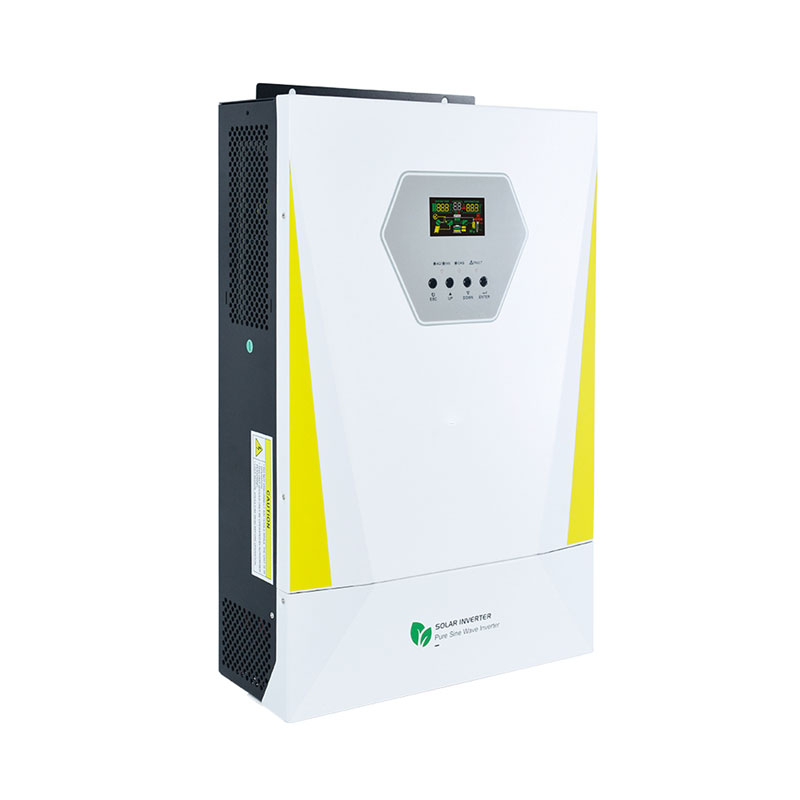
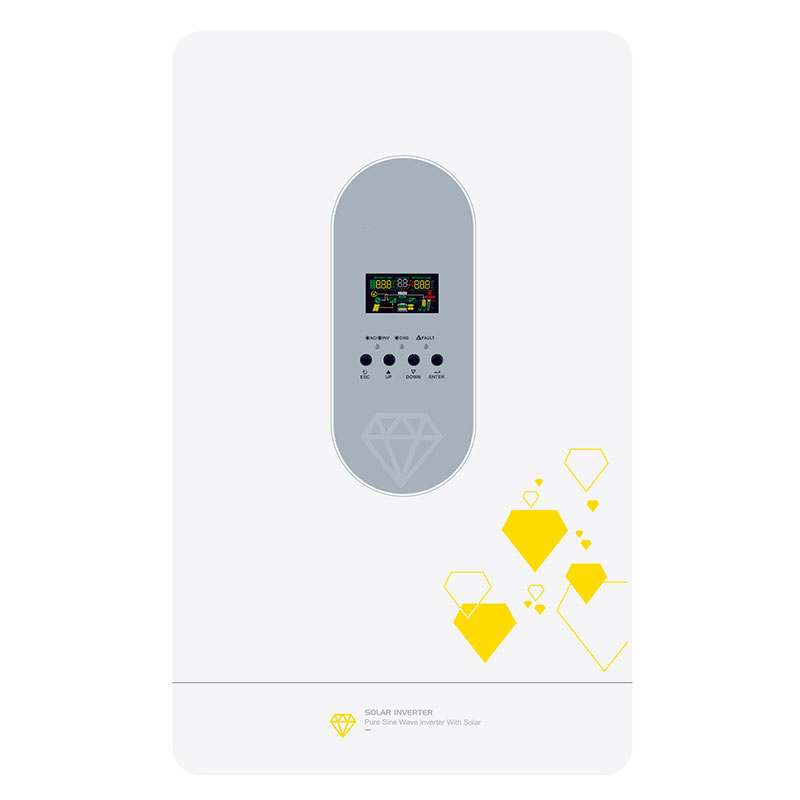
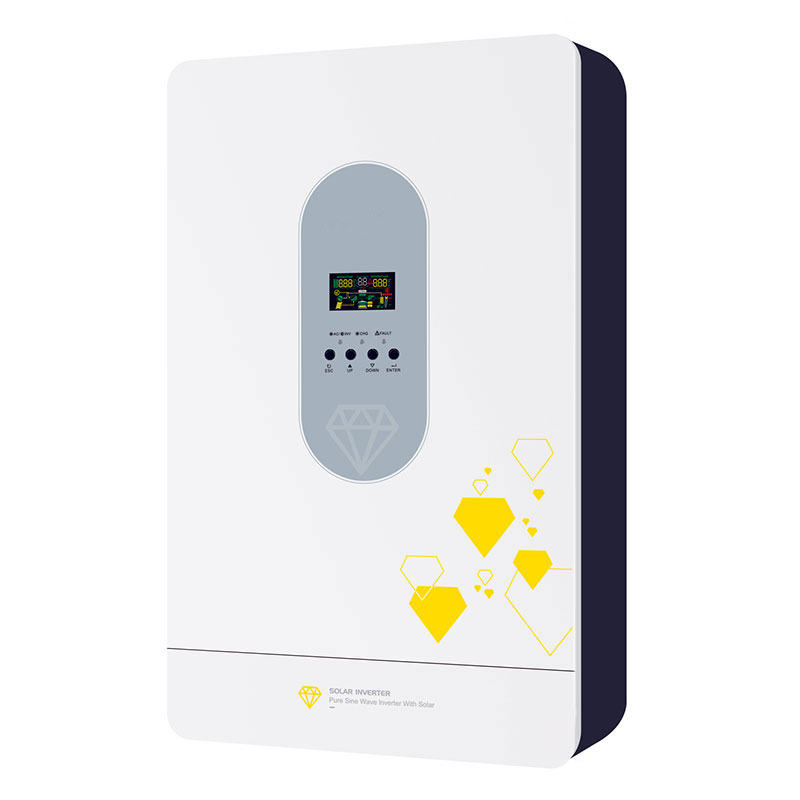
Products like DeRun UD Series Off-Grid Solar Invertercombine high conversion efficiency, intelligent MPPT charging, and generator auto-start features — ideal for marine, remote, or residential off-grid applications.
That means even if you’re far from the city, your power supply doesn’t have to feel that way.
Of course, the trade-off is cost and maintenance. Batteries add expense and require periodic replacement, making off-grid systems best suited for areas with unreliable or no grid connection.
Grid-Tied Inverters: Smart Simplicity for Everyday Power
Now, let’s move to the opposite end of the spectrum — the grid-tied inverter, the most common system in cities and commercial rooftops.
These inverters work with the utility grid rather than against it.
They convert solar energy into AC power and feed it directly into your building and the grid. When your panels produce more power than you use, the excess is exported back, often earning you credits through “net metering.”
It’s clean, efficient, and cost-effective — as long as the grid is stable.
The key advantage?
No batteries. No complex storage systems. Just plug into the grid, generate power, and reduce your utility bills. This makes grid-tied systems more affordable upfront and nearly maintenance-free.
But here’s the catch:
When the grid goes down, your solar system goes down too. For safety reasons, grid-tied inverters automatically shut off during outages to protect utility workers — meaning no backup power when you might need it most.
That’s why these inverters are best for areas with reliable grid infrastructure and where cost efficiency is the top priority — factories, office buildings, or residential rooftops connected to the public grid.
Hybrid Inverters: The Best of Both Worlds
So what if you want the flexibility of grid power and the independence of batteries?
That’s where the hybrid inverter shines.
Hybrid inverters can operate in multiple modes:
They feed solar energy to your home and the grid during the day.
They store excess power in batteries for later use.
They provide backup power automatically during blackouts.
In other words, you get the stability of a grid-tied system and the security of an off-grid setup, all managed through smart electronics.
For businesses and homeowners who want to future-proof their systems, hybrids are quickly becoming the top choice.
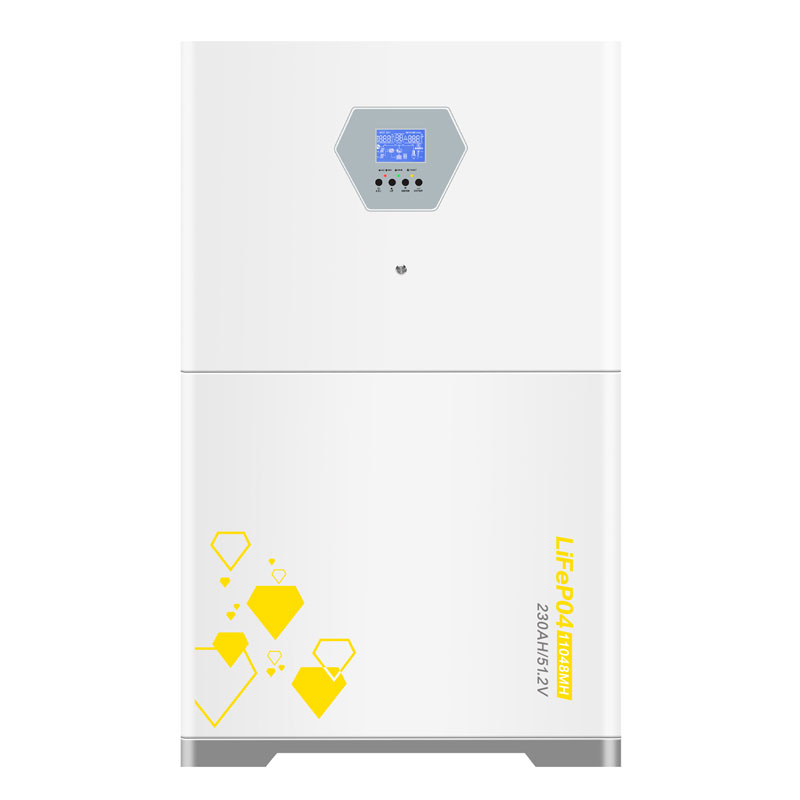
They also fit perfectly into modern energy storage systems (ESS) — setups that integrate batteries, solar, and grid connections into one seamless power network.
Hybrid systems are especially popular in regions with unstable grids or rising electricity costs — think Southeast Asia, Africa, and Latin America — where flexibility and resilience are worth every cent.
How to Choose the Right One for You
Let’s be honest — there’s no “one-size-fits-all” inverter.
Each type serves a different purpose, and your best choice depends on how and where you plan to use it.
Ask yourself a few key questions:
Do you have a reliable grid connection?
Do you want energy independence, or just lower bills?
Is your project located remotely or in a city?
Do you plan to expand or add batteries later?
If your goal is complete autonomy or you’re powering a remote site, off-grid is your best bet.
If you’re in an urban area and simply want to reduce electricity costs, grid-tied is the most efficient.
And if you want both reliability and future flexibility, hybrid is the smart middle ground.
The global trend is clear — hybrid systems are on the rise. As power grids become less reliable and renewable storage gets cheaper, more users are choosing hybrid inverters to balance performance and security.
The Future Is Flexible
The world of solar energy is evolving fast.
What used to be a trade-off — “grid or no grid” — is now a question of strategy and design. With smarter inverters, integrated storage, and real-time monitoring, solar systems are no longer just power generators — they’re intelligent energy ecosystems.
Choosing the right inverter today means building a system that fits both your current needs and your future goals.
Whether you’re powering homes, communities, or commercial projects, investing in the right inverter technology ensures you stay efficient, independent, and ready for tomorrow.
And if you’re looking to explore options that combine advanced performance with factory-direct reliability, DeRun Inverter offers a full range of off-grid, hybrid, and energy storage solutions tailored to your market needs.
Final Thought
Solar energy isn’t just about generating electricity — it’s about control, reliability, and smart investment.
Off-grid, grid-tied, or hybrid — whichever path you take, the right inverter is the key to unlocking the full potential of your solar system.