In the competitive global solar energy market, efficiency is not just a technical specification — it is a business driver. For distributors, project developers, and EPC contractors, selecting the right solar inverter with advanced efficiency features can mean the difference between profitable projects and costly inefficiencies.
Among the various technologies used in solar inverters, MPPT (Maximum Power Point Tracking) stands out as a key feature that ensures maximum energy harvest and optimal system performance. In this article, we will explore what MPPT technology is, why it matters for B2B buyers, and how partnering with a reliable manufacturer like DeRun Inverter can help your business deliver high-efficiency solar solutions.
1. What is MPPT Technology?
MPPT, or Maximum Power Point Tracking, is a technology used in modern solar inverters to extract the maximum possible power from photovoltaic panels under varying environmental conditions.
Solar panels have a characteristic current-voltage (I-V) curve, where power output varies depending on sunlight intensity, temperature, and load conditions. MPPT algorithms continuously monitor this curve and adjust the inverter’s input parameters to operate at the maximum power point (MPP).
In simpler terms, MPPT ensures that every watt of solar energy available is converted into usable electricity, significantly improving system efficiency compared to traditional PWM (Pulse Width Modulation) controllers.
Benefits of MPPT Technology:
Higher energy harvest: 5–30% more power in most climates
Faster return on investment for B2B clients
Better performance in cloudy or partially shaded conditions
For businesses, higher inverter efficiency means more energy delivered to end customers, leading to higher satisfaction and repeat orders.
2. How MPPT Improves Business Value
For B2B clients, the advantages of MPPT go beyond technical performance. Here’s why efficiency matters in real business terms:
a. Maximized Profitability
Higher efficiency translates into more energy output per project, which can significantly reduce the levelized cost of electricity (LCOE). Distributors and project developers can market systems that produce more energy, making them more attractive to customers.
b. Enhanced Client Satisfaction
Systems equipped with MPPT inverters provide consistent and reliable performance, reducing downtime and complaints. High efficiency also minimizes energy losses in large commercial or industrial installations, giving your clients measurable financial benefits.
c. Competitive Market Advantage
Offering MPPT-equipped inverters positions your company as a technology-forward supplier, differentiating you from competitors who sell basic or non-MPPT systems. This can open doors to premium market segments and long-term partnerships.
d. Scalability for Large Projects
For EPC contractors and distributors managing multiple installations, MPPT inverters provide predictable energy output, making system design and scaling easier and more reliable.
3. MPPT vs PWM: Why MPPT is Essential
To fully understand the impact of MPPT technology, it’s useful to compare it with older PWM controllers:
| Feature | PWM Controller | MPPT Controller |
|---|---|---|
| Efficiency | ~70–80% | 95–99% |
| Power Optimization | Fixed voltage, less flexible | Continuously adjusts to max power point |
| Performance in Shade | Poor | Excellent |
| Cost | Lower | Higher initial cost but better ROI |
| Recommended For | Small systems, budget-limited | Commercial, industrial, and high-performance systems |
⚡ Key takeaway: While MPPT inverters have higher upfront costs, the energy gain and ROI for large-scale and high-demand projects far outweigh the price difference, making them ideal for B2B applications.
4. Applications of MPPT Solar Inverters
MPPT solar inverters are versatile and can be used in multiple sectors:
a. Residential Systems
Ensures maximum energy output for rooftop PV systems
Reduces electricity bills for homeowners
Supports integration with hybrid storage solutions for backup power
b. Commercial and Industrial Systems
Critical for warehouses, factories, and office buildings
Maximizes efficiency in large-scale PV installations
Reduces operational costs and improves energy ROI
c. Remote or Weak-Grid Locations
Essential in areas with unstable or limited grid supply
Works efficiently with off-grid and hybrid solar systems
Provides reliable power even under fluctuating solar conditions
d. Market Opportunity
For distributors and EPC contractors, offering MPPT-equipped inverters allows you to target premium market segments where clients are willing to invest in reliable, high-efficiency solutions.
5. Why Partner with DeRun Inverter for MPPT Solutions
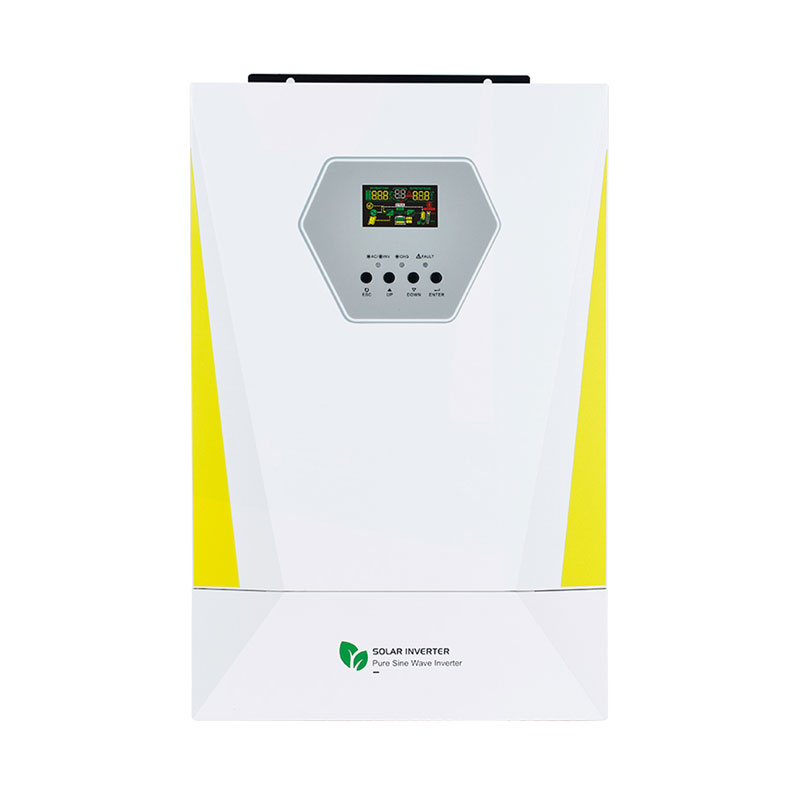
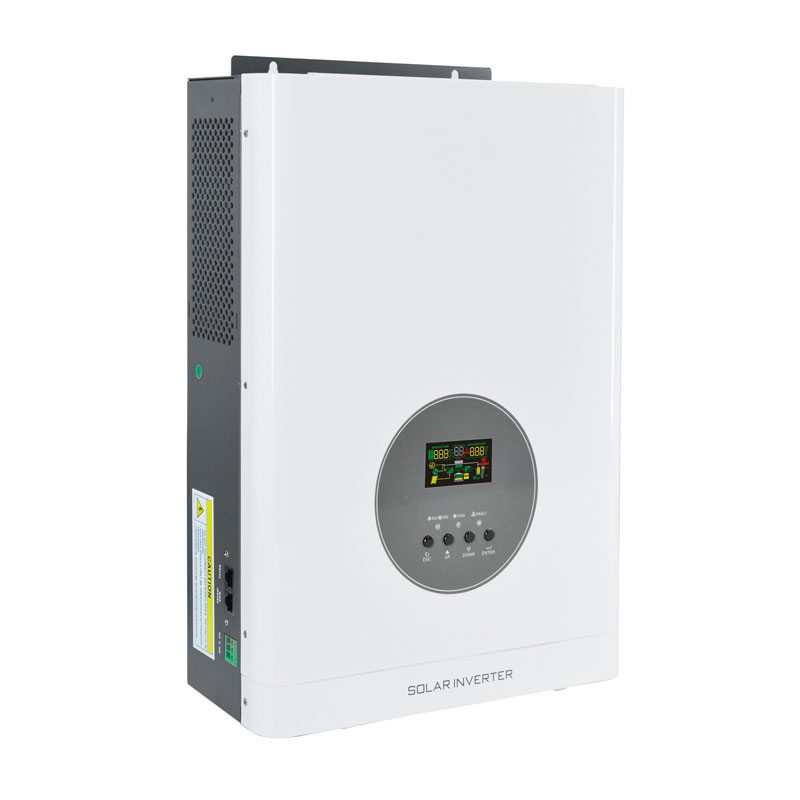
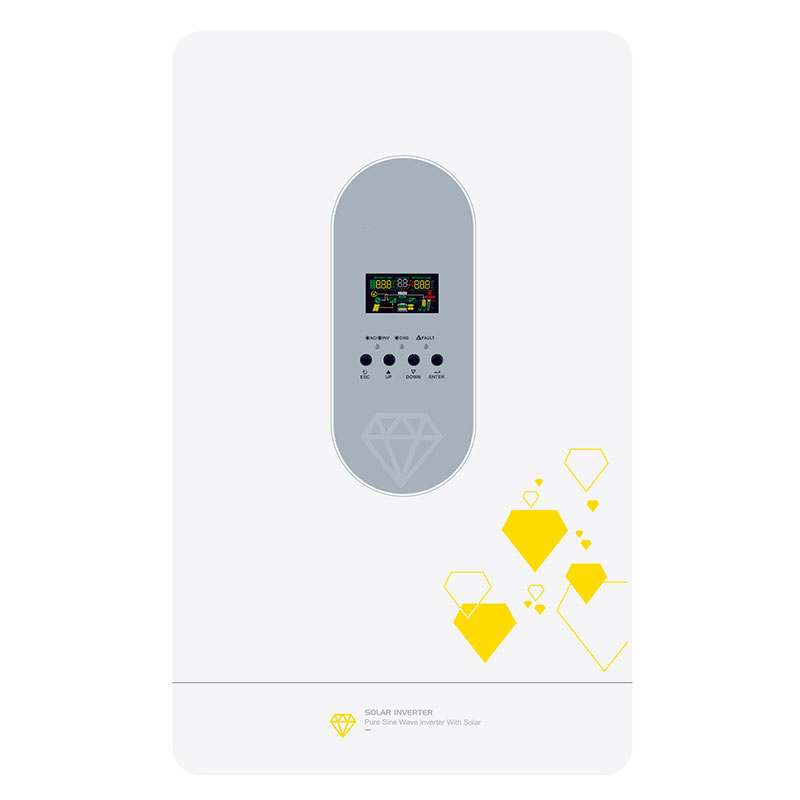
At DeRun Inverter, we specialize in high-efficiency MPPT solar inverters designed for B2B clients worldwide.
Our key advantages include:
MPPT efficiency up to 98%, ensuring maximum energy harvest
Wide compatibility: Hybrid, Off-Grid, and On-Grid systems
OEM & ODM customization: Branding, packaging, and non-standard power configurations
Global certifications: CE, IEC, ISO9001, ensuring quality and reliability
Professional technical support and after-sales service, including installation guidance and training
Global logistics experience, supporting export to multiple continents
By partnering with DeRun, B2B clients can confidently offer high-performance, reliable, and customizable solar inverters to their markets, increasing sales potential and customer loyalty.
Ready to elevate your solar product offering?
Contact DeRun Inverter today to explore our MPPT-equipped inverters and OEM/ODM solutions tailored for your business.
6. How MPPT Impacts ROI and Project Success
Efficiency matters not just technically but financially:
More Energy per Panel – MPPT inverters ensure your solar panels operate at peak power, increasing total energy harvest.
Reduced Energy Loss – Smart voltage and current adjustments minimize losses under varying conditions.
Faster Payback Period – More energy means higher revenue from energy savings or feed-in tariffs.
Customer Retention – Reliable systems reduce complaints and service costs, improving client satisfaction.
For B2B customers, these benefits translate into stronger market positioning and repeat business opportunities.
7. Key Considerations When Selecting MPPT Solar Inverters
When sourcing MPPT inverters for your projects or distribution business, consider the following:
Efficiency rating: Look for ≥95% MPPT efficiency for optimal performance
Compatibility: Ensure the inverter supports your battery types and grid requirements
Power capacity: Select models suitable for residential, commercial, or industrial projects
Customization options: OEM/ODM capability to differentiate your brand
Warranty and support: Strong after-sales support reduces operational risk
✅ Partnering with a manufacturer like DeRun ensures all these criteria are met, providing reliable and scalable solutions for your business.
8. Conclusion
MPPT technology is the cornerstone of modern high-efficiency solar inverters. For B2B buyers — whether distributors, EPC contractors, or OEM partners — offering MPPT-equipped inverters means higher energy output, better ROI, and stronger market competitiveness.
By choosing a reliable manufacturer like DeRun Inverter, your business can leverage advanced MPPT technology, access customizable OEM/ODM solutions, and deliver premium, high-efficiency solar inverters to your clients.
Maximize efficiency. Boost profits. Partner with DeRun Inverter today.
Request a quote or discuss OEM collaboration to bring MPPT solar solutions to your market.