As solar energy continues to expand across global markets, one key component determines the performance and profitability of every solar system — the solar inverter. For businesses in the renewable energy industry — whether you’re a distributor, installer, or project developer — choosing the right type of solar inverter is critical for market success.
But with multiple types available — Hybrid, Off-Grid, and On-Grid Solar Inverters — how do you decide which one best fits your business and customer base?
This guide breaks down the differences, benefits, and market applications of each type, helping you make an informed decision and build a more competitive solar portfolio.
1. Understanding the Role of Solar Inverters
Before comparing types, it’s important to understand the function of a solar inverter.
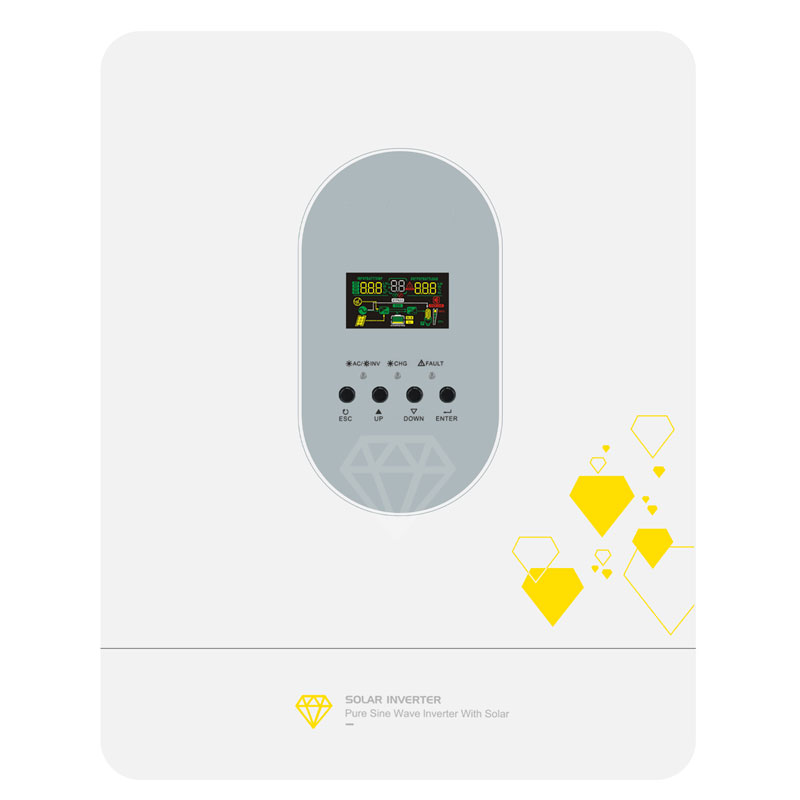
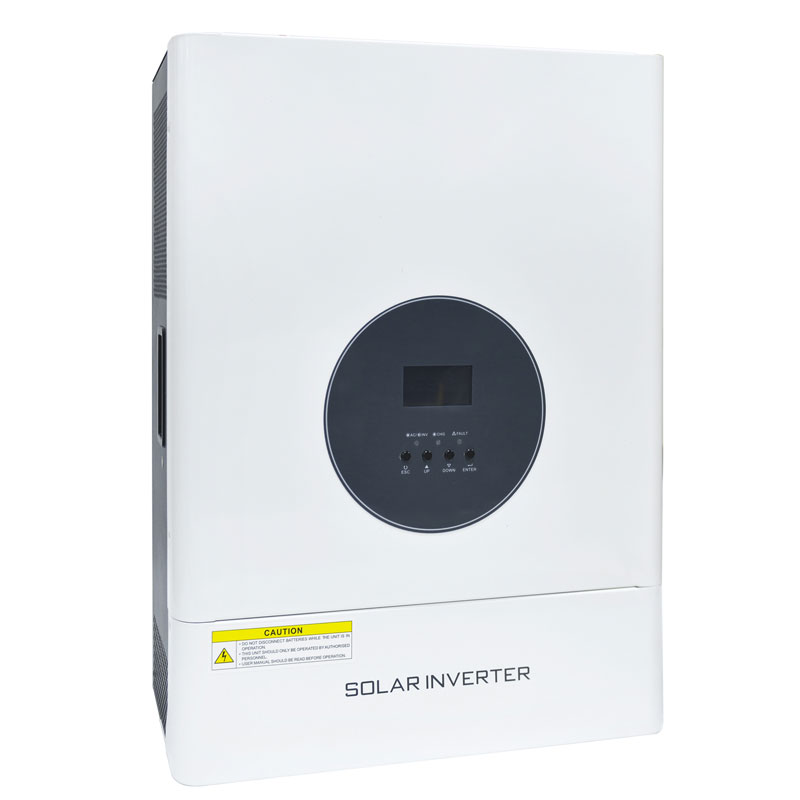
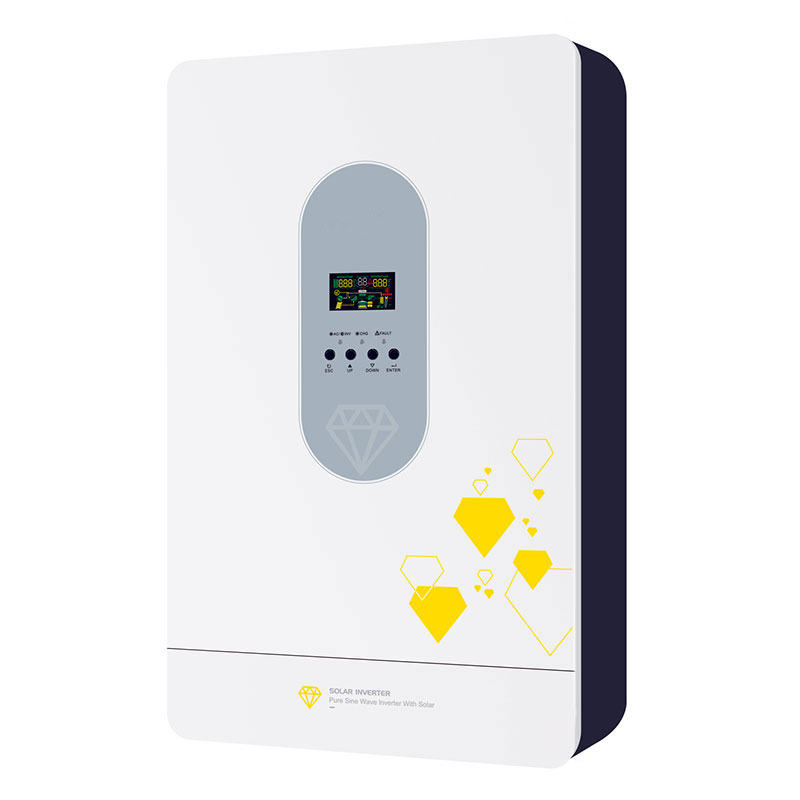
A solar inverter converts the DC power generated by solar panels into AC power, which can be used for appliances or fed into the power grid. It’s essentially the “brain” of a photovoltaic (PV) system — controlling energy conversion, system safety, and efficiency.
Choosing the right inverter type not only affects system performance but also determines whether your solar business can meet specific market needs, compliance standards, and profit goals.
2. What Is an On-Grid (Grid-Tied) Solar Inverter?
Definition:
An On-Grid Solar Inverter is designed to work directly with the public electricity grid. It converts solar power and synchronizes it with the utility supply, allowing energy to be used immediately or exported to the grid for credit.
Ideal for:
Urban and commercial areas with stable grid connections.
Advantages:
✅ High efficiency and cost-effective setup
✅ No need for batteries, reducing initial investment
✅ Suitable for feed-in-tariff or net-metering systems
✅ Simple installation and maintenance
Limitations:
⚠️ Does not provide power during a grid outage
⚠️ Dependent on local grid regulations
Business Insight:
For B2B clients in developed regions (e.g., Europe, North America), on-grid inverters are in high demand due to widespread grid infrastructure and government incentives.
3. What Is an Off-Grid Solar Inverter?
Definition:
An Off-Grid Solar Inverter operates independently from the utility grid. It requires battery storage to store solar energy for later use, making it ideal for remote or rural areas where grid access is limited or unavailable.
Ideal for:
Rural communities, islands, telecommunications stations, and off-grid homes.
Advantages:
✅ Provides continuous power supply without grid dependency
✅ Ideal for remote regions and developing markets
✅ Supports various battery types (Lithium, Lead-acid, Gel, etc.)
✅ Excellent for backup and emergency power systems
Limitations:
⚠️ Higher initial cost due to battery configuration
⚠️ Requires regular maintenance of battery systems
Business Insight:
In regions like Africa, Southeast Asia, and South America, demand for off-grid systems is rising fast. For distributors targeting these areas, stocking off-grid solar inverters offers strong profit potential.
4. What Is a Hybrid Solar Inverter?
Definition:
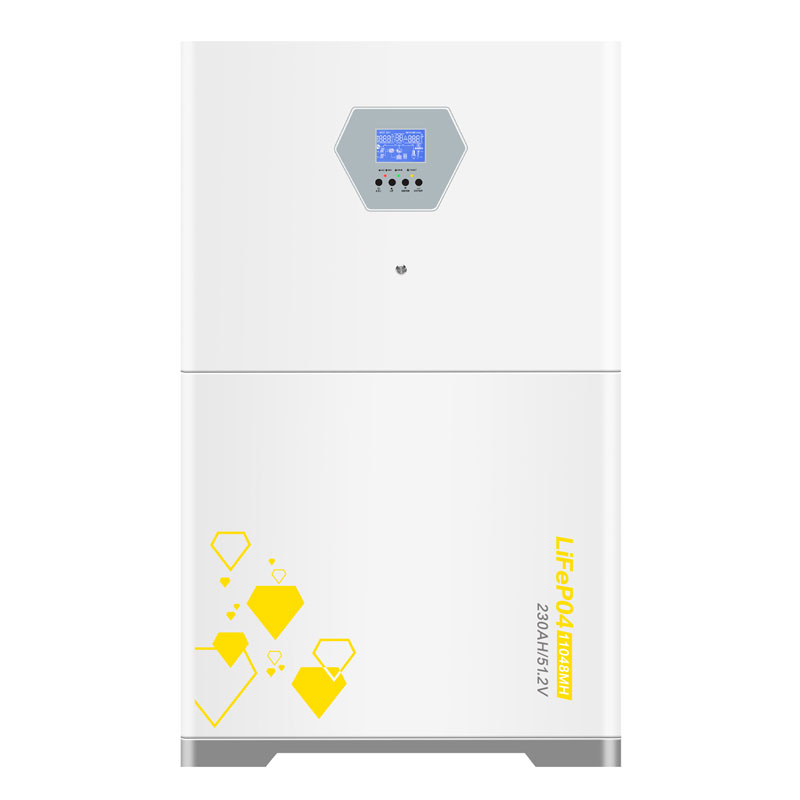
A Hybrid Solar Inverter combines the benefits of both on-grid and off-grid systems. It can feed excess energy to the grid while simultaneously charging batteries for backup use.
Ideal for:
Residential, commercial, and industrial users seeking flexibility between grid and backup power.
Advantages:
✅ Dual functionality (grid-tied + storage)
✅ Smart energy management through MPPT and monitoring systems
✅ Seamless switching between grid and battery power
✅ Future-ready solution for energy independence
Limitations:
⚠️ Slightly higher upfront cost compared to on-grid models
⚠️ Requires professional setup and programming
Business Insight:
With the rise of home energy storage systems (ESS) and hybrid solar solutions, hybrid inverters are one of the fastest-growing product segments. They’re perfect for distributors targeting markets with frequent power fluctuations or rising demand for energy autonomy.
5. Comparison Table: Hybrid vs Off-Grid vs On-Grid Inverters
| Feature | On-Grid | Off-Grid | Hybrid |
|---|---|---|---|
| Power Source | PV + Grid | PV + Battery | PV + Grid + Battery |
| Backup Power | ❌ No | ✅ Yes | ✅ Yes |
| Battery Required | ❌ No | ✅ Required | ✅ Optional |
| Efficiency | High | Medium | High |
| Cost | Low | Medium | High |
| Ideal Market | Urban, Industrial | Rural, Remote | Residential, Commercial |
| Business Trend | Mature | Expanding | Rapid Growth |
6. How to Choose the Right Type for Your Market
Every market has different energy demands, grid conditions, and government policies. Here’s how to align inverter types with your business goals:
Developed Regions (Europe, North America):
On-Grid and Hybrid inverters are most popular due to stable grid systems and green incentives.
Customers prioritize high efficiency and smart monitoring features.
Emerging Markets (Africa, Southeast Asia, South America):
Off-Grid inverters dominate due to limited grid access.
Hybrid models are also growing, especially where electricity reliability is poor.
Commercial & Industrial Projects:
Hybrid and On-Grid inverters provide scalable, high-power solutions.
These projects demand customizable OEM options and long warranty support.
Tip for Distributors:
Offer a mix of hybrid and off-grid inverters to cover both urban and rural clients — increasing your overall market coverage.
7. Why Partner with DeRun Inverter
At DeRun Inverter, we specialize in manufacturing Hybrid, Off-Grid, and On-Grid Solar Inverters for global B2B partners.
Our products are built to meet international quality standards and optimized for performance, durability, and customization.
Why Choose DeRun Inverter:
Over 15 years of inverter manufacturing experience
OEM & ODM customization available for all models
MPPT efficiency up to 98%, pure sine wave output
Compatible with Lithium and Lead-acid batteries
Certified with CE, IEC, and ISO9001 standards
Global logistics and after-sales technical support
Whether you’re building your private label brand or expanding your product catalog, DeRun Inverter offers professional engineering support and flexible cooperation terms for long-term partnership success.
Ready to grow your solar business?
Contact DeRun Inverter today to discuss your market needs and request a customized quotation.
8. Conclusion
Choosing between Hybrid, Off-Grid, and On-Grid solar inverters isn’t just about technology — it’s about strategic market positioning.
On-Grid inverters: cost-effective for developed urban areas
Off-Grid inverters: essential for rural electrification and independence
Hybrid inverters: the future-ready choice combining both worlds
For distributors and EPC contractors, partnering with a reliable manufacturer like DeRun Inverter ensures access to all three product types — supported by solid engineering, global certifications, and OEM/ODM flexibility.
Find your ideal inverter solution today — and power your market with DeRun Inverter.