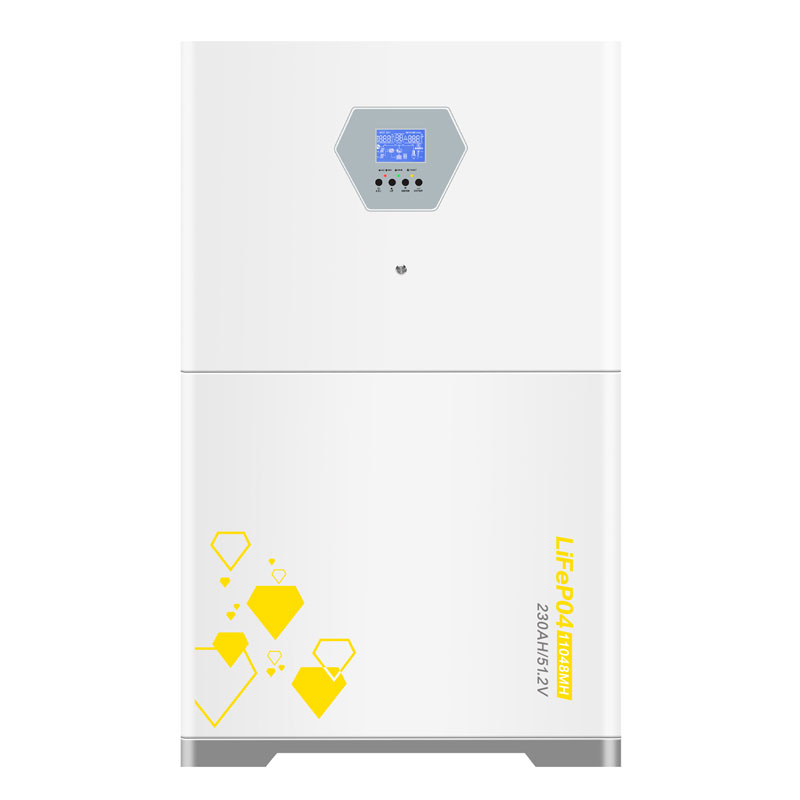
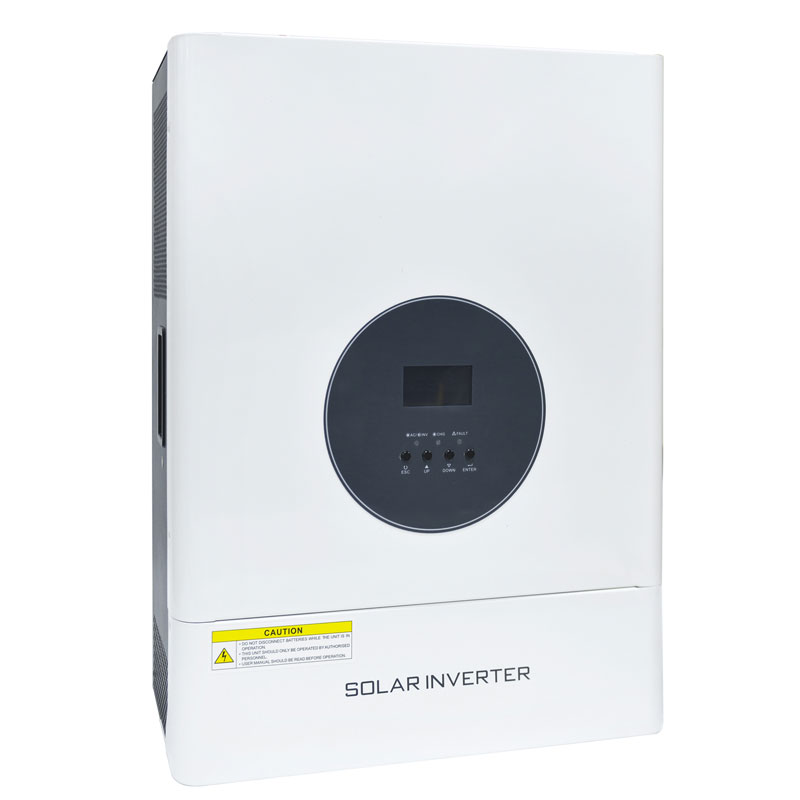
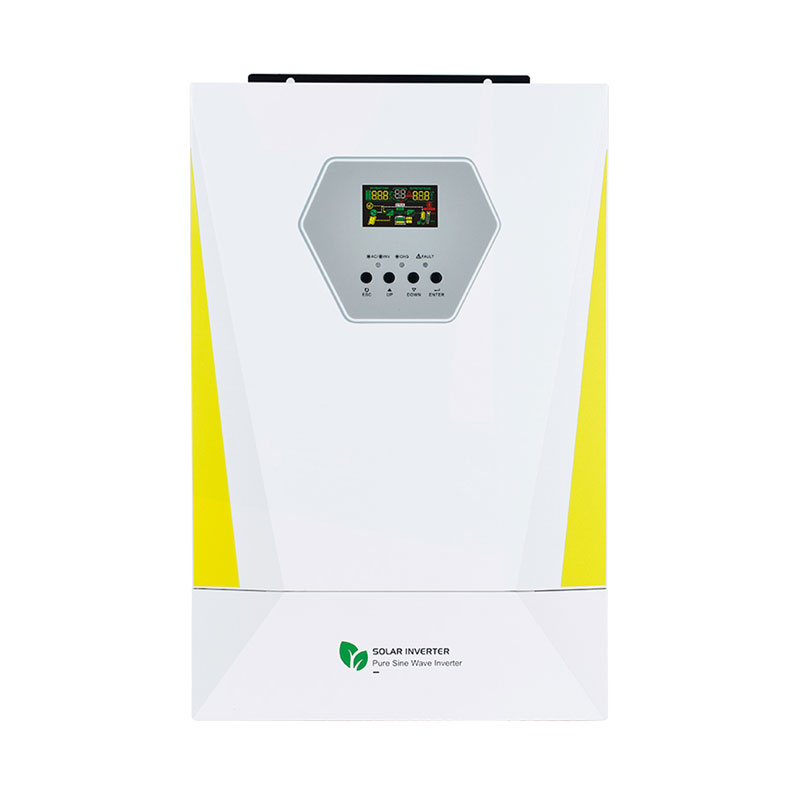
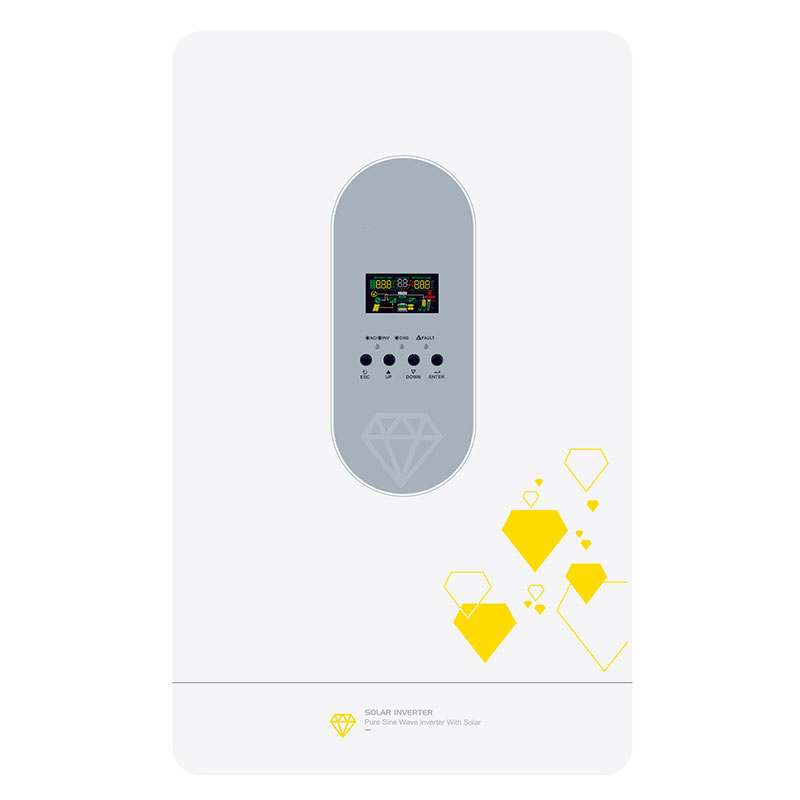
If you're running a business today, you already know one thing for sure: energy isn’t cheap, and it isn’t always reliable. Maybe your factory machines stop whenever the grid hiccups. Maybe your warehouse air-conditioning is eating half your monthly budget. Or maybe you’re simply tired of watching electricity prices go up while productivity goes down during power cuts.
So here’s a question worth asking:
What if your energy system could protect you from rising electricity costs, keep your operations running during outages, and help you hit sustainability goals—all at the same time?
That’s exactly where hybrid solar inverters shine. And it’s the reason why more commercial and industrial users are moving away from traditional setups and toward hybrid solar solutions.
Let’s break down why these systems are becoming the preferred choice for serious business operators.
1. Energy Independence You Can Actually Feel
Grid power is convenient… until it isn’t. A single outage can stop production lines, damage equipment, or leave entire facilities stuck in downtime.
Hybrid solar inverters allow businesses to:
Use solar power during the day,
Store excess power in batteries,
Seamlessly switch to grid or battery power when needed.
Instead of depending on the grid, the grid becomes your backup, not your lifeline.
For factories, cold storage facilities, data centers, or anywhere reliability matters—this stability is priceless.
2. Real Savings, Not Just “Energy Efficiency Talks”
Let’s be honest—businesses don’t invest in technology just because it sounds innovative. They do it because the numbers make sense.
Hybrid solar systems reduce:
Peak-hour grid consumption
Daily operational energy costs
Long-term electricity bills
Many commercial users report 20–40% energy cost reductions after switching to hybrid systems.
With proper sizing, the ROI often comes faster than expected—not over decades, but in just a few years.
3. A Safety Net During Outages and Load Shedding
Imagine this:
The grid suddenly goes down, but your production line keeps running like nothing happened.
That’s the beauty of a hybrid inverter paired with battery storage. It reacts instantly—no restarts, no downtime, no interruptions.
Industries that benefit the most:
Manufacturing & processing plants
Telecommunications and data centers
Agricultural operations
Mining sites
Retail chains needing 24/7 electricity
If power reliability is part of your operational lifeline, a hybrid solar inverter turns uncertainty into stability.
4. A Practical Step Toward Sustainability
Sustainability isn’t a buzzword anymore—it's a business requirement.
Clients look at it. Investors look at it. Regulations are increasingly shaped around it.
Hybrid solar inverters help businesses:
Reduce CO₂ emissions
Replace fossil-fuel-dependent generators
Move toward green energy without sacrificing performance
For companies with ESG goals, this is one of the simplest and most measurable steps to take.
5. Smarter Energy Management for Serious Operations
Modern hybrid inverters do more than convert energy.
They study your energy habits.
With onboard monitoring and management tools, businesses can:
Track energy production vs. consumption
Identify peak-cost periods
Adjust energy allocation
Maximize solar usage automatically
In other words, you’re not just using energy—you’re using it intelligently.
If your business has been exploring ways to lower energy costs, reduce downtime, or future-proof your operations, hybrid solar inverters deserve a closer look. Many companies start by analyzing their current energy patterns or testing a small hybrid system before scaling up across multiple sites.
What usually surprises them isn’t the technology—it’s the amount of control and predictability they gain over something as uncertain as energy supply.
And if you’re considering hybrid solar for your own commercial or industrial project, it might be the right time to explore your options. With the right system design and inverter selection, the shift to hybrid energy can be far smoother—and more rewarding—than most businesses expect.