Imagine this: you’ve just installed solar panels on your cabin, workshop, or rural home. The sunlight is strong, your panels are generating plenty of power, and everything seems perfect — until you realize you haven’t added any batteries yet.
A question quickly comes to mind: can an off-grid inverter actually work without a battery?
It’s a question more people are asking these days, especially as solar technology becomes more flexible and affordable. The short answer is yes, in some cases it can — but the longer, more important answer is it depends on what you want your system to do.
In this article, we’ll explore the real-world answer behind that question: how off-grid inverters behave without batteries, when it’s possible, when it’s not, and what to consider if you’re planning a system that might operate this way.
1. Understanding the Role of a Battery in an Off-Grid System
To understand whether a battery is optional, it helps to first understand what an off-grid inverter actually does.
In a typical off-grid solar setup, sunlight hits the solar panels, which generate direct current (DC) power. The inverter converts that into alternating current (AC) power — the kind your household appliances use.
But the inverter doesn’t just convert power; it also manages energy flow. It decides where the electricity goes — whether to charge batteries, power appliances, or both.
So where does the battery come in?
In an off-grid system, the battery acts as an energy buffer. During the day, when the sun is shining, your panels often produce more electricity than your home consumes. That extra energy gets stored in the batteries for later use — usually at night or on cloudy days.
Without a battery, there’s nowhere to store that excess power. Once the sun goes down or a cloud passes over, your power supply disappears instantly. That’s the first big limitation of running “battery-less.”
2. Can an Off-Grid Inverter Run Without a Battery?
Technically speaking, some off-grid inverters can operate without a battery — but only in limited conditions.
In such setups, the inverter converts the power coming directly from solar panels and supplies it to your loads in real time. This means the appliances in your home will run only when enough solar energy is available.
During strong sunlight, your lights and fans may work perfectly. But as soon as the sunlight weakens — even for a few seconds — the power output will fluctuate, and sensitive electronics may shut off or get damaged.
This “direct solar to load” mode is unstable because solar generation is inherently variable.
Clouds, shadows, or even dust on panels can reduce output instantly. Since there’s no battery to balance supply and demand, the inverter has to constantly adjust or even shut down temporarily to protect itself and the appliances.
In short, yes — an off-grid inverter can work without a battery, but not reliably and not for all types of loads.
3. Why Most Off-Grid Systems Still Use Batteries
Think of a battery as the shock absorber in your power system. It smooths out the ups and downs of solar production and ensures your appliances receive a steady flow of electricity.
Without batteries:
You can only use electricity during the day.
Power will fluctuate with every passing cloud.
Motors, pumps, and sensitive electronics can be damaged by inconsistent voltage.
You’ll have no power at night or during bad weather.
That’s why most off-grid solar systems are designed around solar + battery + inverter as a complete unit. The battery makes your system dependable — turning solar energy from something unpredictable into something you can trust.
4. When an Off-Grid Inverter Might Work Without Batteries
There are exceptions — and they’re becoming more common thanks to smarter inverter designs.
Some modern off-grid or hybrid inverters can run in a “battery-less” mode for specific scenarios.
In these systems, the inverter is built with advanced MPPT (Maximum Power Point Tracking) controllers and intelligent logic that can directly drive small loads when sunlight is strong.
For example, during peak sun hours, it can power lights, fans, or even small pumps directly from solar panels. However, this mode is strictly limited by sunlight conditions and load size.
The moment the solar input drops, the inverter will cut off to prevent overload or undervoltage damage.
That’s why professional installers often use this approach only in daytime-only applications — like agricultural irrigation systems, daytime workshops, or small field offices.
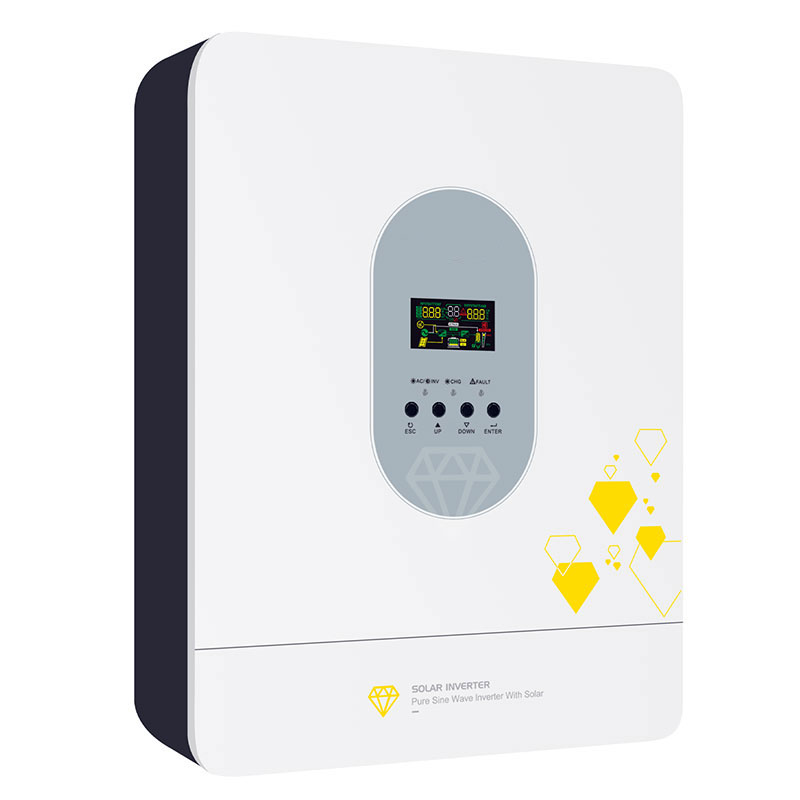
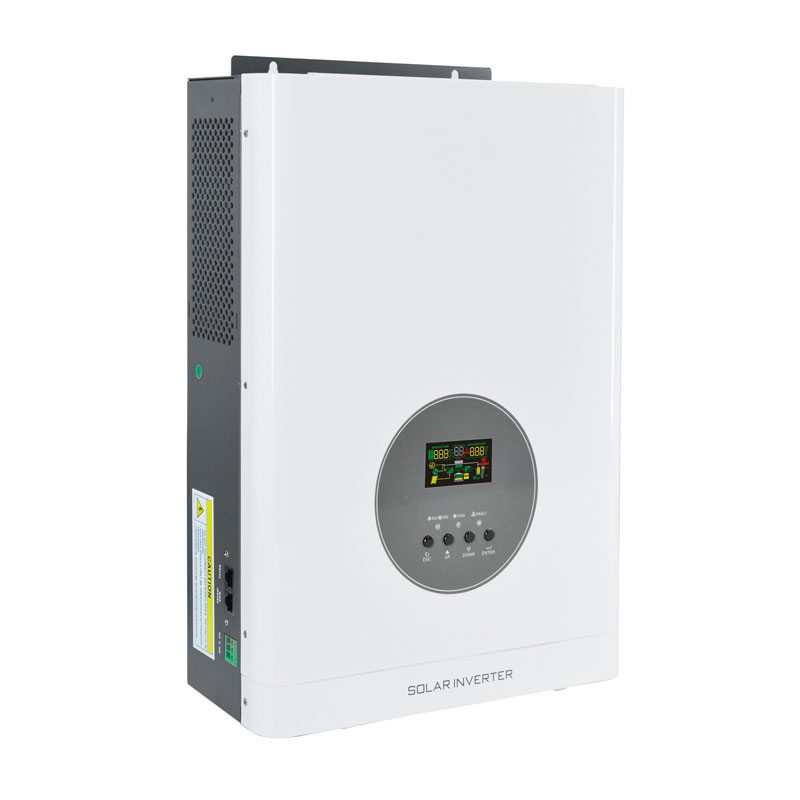
For instance, some advanced off-grid inverters such as the
DeRun UD Series Off-Grid Solar Inverterare designed with smart MPPT control, generator auto-start, and adjustable charging current.
These features allow the inverter to operate efficiently even when the battery is temporarily disconnected — providing more flexibility in system design while maintaining stability and protection for your loads.
5. The Technical Reality: What Happens Without a Battery
From an electrical engineering perspective, running without a battery means your solar array becomes your only power source. The inverter relies entirely on the incoming solar voltage, which can vary from minute to minute.
When the sunlight intensity drops, so does the DC input voltage. If it falls below the inverter’s operating range, the inverter shuts down — even if your appliances are still running. This constant starting and stopping isn’t healthy for your inverter or your devices.
Moreover, when your solar panels suddenly produce more power than your load consumes, that extra energy has nowhere to go. The inverter must rapidly throttle back production to avoid overvoltage conditions.
These fluctuations can cause:
Flickering lights or power interruptions
Increased wear on inverter components
Reduced efficiency and shorter lifespan
That’s why inverter manufacturers — even those that support battery-less operation — always recommend using at least a small buffer battery bank to stabilize voltage and improve system longevity.
6. Safety and Performance Considerations
Operating an off-grid inverter without a battery isn’t just a question of convenience — it’s also a question of safety.
Without energy storage, the inverter must instantly balance supply and demand. That means every fluctuation in sunlight directly affects your AC output.
If your inverter doesn’t have robust surge protection, overload management, and temperature control, voltage spikes can occur, putting your system at risk.
Additionally, in systems without batteries, it’s nearly impossible to use a backup generator effectively, since there’s no stable DC bus for the generator to assist in charging or regulation.
So while it’s tempting to save money by skipping batteries, the tradeoff often shows up later — in downtime, equipment damage, or frequent inverter resets.
7. Choosing the Right System for Your Needs
So, should you try to run your off-grid inverter without a battery?
It depends on your goals.
If your application is:
Daytime-only,
Located in a region with consistent sunlight, and
Running small, non-sensitive loads,
then yes, a high-quality off-grid inverter can operate temporarily without a battery.
But if your goal is 24-hour power availability, stable voltage, and system longevity, then investing in a reliable battery setup is the smarter choice.
Even a small lithium battery bank can drastically improve your system’s performance and reliability.
8. The Hybrid Solution: Flexibility with Stability
For many users, the best solution lies somewhere in between — the hybrid system.
Hybrid inverters combine the flexibility of an off-grid system with the intelligence of a grid-tied one. They can operate with or without batteries, draw from solar when available, and automatically switch to stored power or generator backup when sunlight drops.
This gives you the best of both worlds: reduced battery dependence without sacrificing stability.
Modern hybrid inverters are especially valuable for small businesses or remote residences that want to minimize battery costs but still require continuous operation.
9. Looking Ahead: The Future of Battery-Free Solar
As technology advances, we’re seeing more innovation in battery-less solar power.
DC-coupled designs, supercapacitors, and adaptive inverters are making it more realistic to operate without large battery banks — especially in sunny regions.
However, until solar generation can perfectly match consumption throughout the day, energy storage will remain the backbone of true off-grid independence. Batteries don’t just store power; they make solar reliable.
So while the idea of a “battery-free” system sounds appealing, it’s best understood as a temporary or specialized setup, not a full replacement for a well-designed solar energy system.
10. Bringing It All Together
To answer the question once and for all — yes, an off-grid inverter can technically work without a battery.
But practically speaking, most systems perform better, last longer, and deliver consistent power with energy storage.
The inverter, battery, and solar array form a trio that transforms sunlight into dependable electricity — anytime, anywhere.
Without one of those elements, the system can work, but it will always come with compromises.
A Final Thought
Choosing how to configure your solar system isn’t just about saving money — it’s about designing energy independence that lasts.
Understanding how off-grid inverters interact with batteries helps you make better choices for your home or project. And if you’re exploring inverter options that can operate flexibly — with or without batteries — consulting a professional manufacturer is a smart next step.
With the right expertise, you can build a solar solution that fits your goals today and adapts to your needs tomorrow — no compromises, no surprises, just reliable solar power built for real life.