When you think of living off the grid, the image that often comes to mind is peace, independence, and self-sufficiency. The idea of generating your own electricity, storing it, and using it without relying on the public power grid has become not only appealing but also practical — thanks to rapid advances in solar technology.
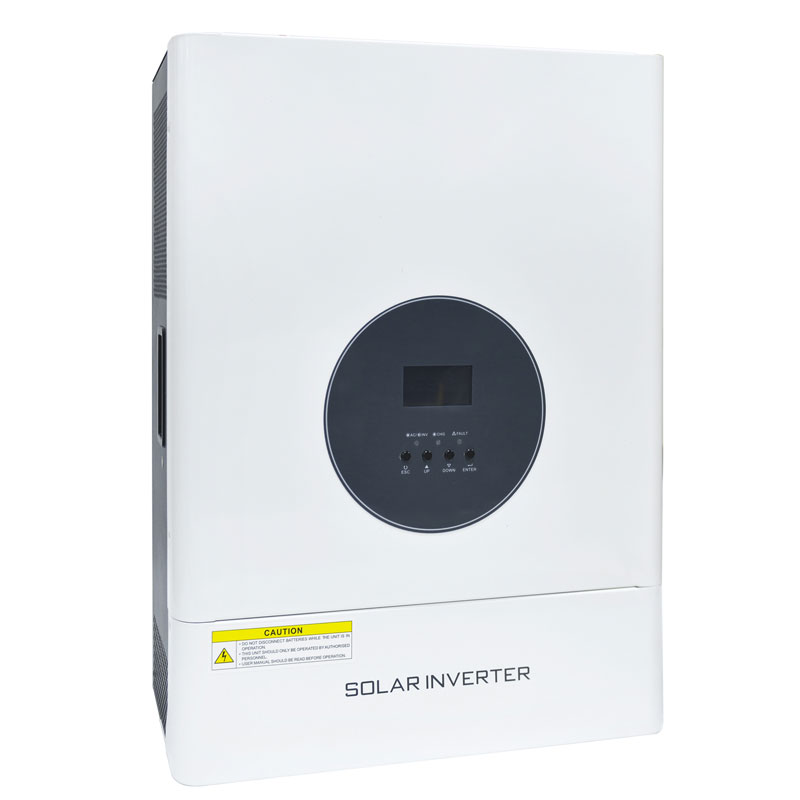
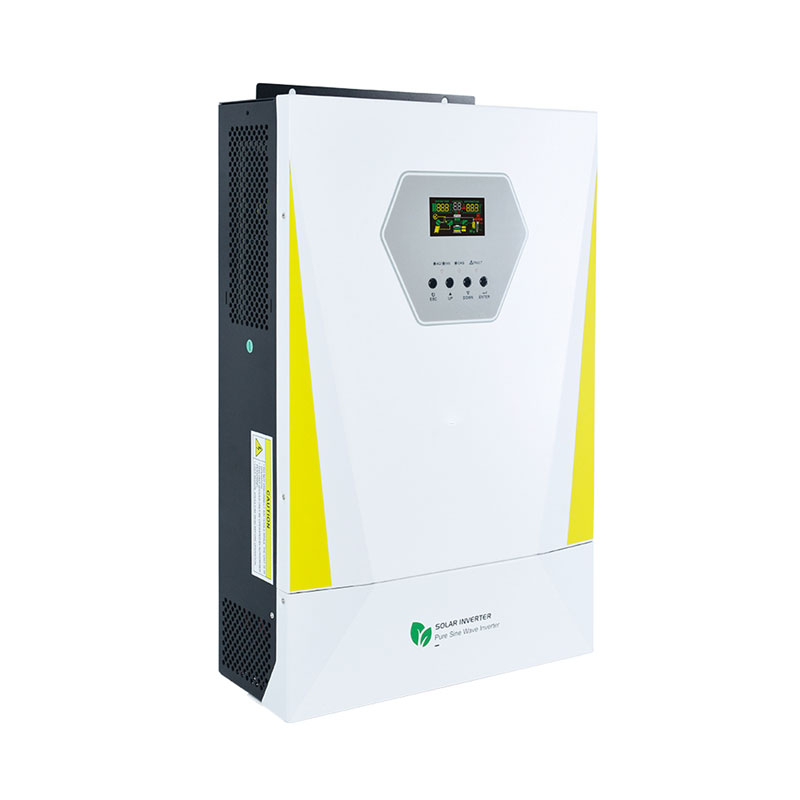
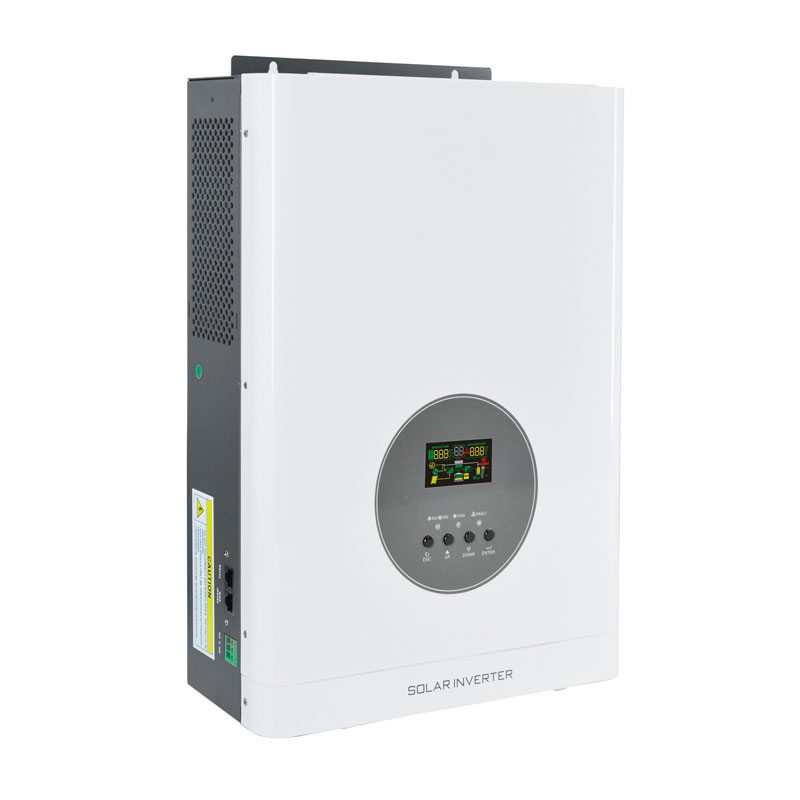
At the center of every successful off-grid solar power system lies one critical component: the inverter. It’s the heart of your energy setup, silently converting the power collected by your solar panels into the electricity your home appliances can use.
But with so many inverter options available — different types, specifications, and brands — choosing the right one can feel confusing. In this guide, we’ll walk you through what really matters when selecting an off-grid inverter for your home, helping you make an informed decision that balances reliability, efficiency, and cost.
1. Why the Inverter Matters More Than You Think
Many people focus on solar panels when planning their off-grid system. Panels are visible, they capture the sunlight, and they often get the credit for “making power.”
But in truth, the inverter does the heavy lifting when it comes to turning that captured sunlight into usable energy.
Your solar panels produce DC (direct current) electricity. However, almost all household appliances — lights, refrigerators, TVs, air conditioners — run on AC (alternating current) power. The inverter’s job is to make that conversion seamlessly, efficiently, and safely.
A high-quality inverter ensures that your system works efficiently day after day, while a low-quality one can waste energy, shorten battery life, and even damage appliances over time. In other words, the inverter is the gatekeeper of your solar system’s performance.
2. Understanding What “Off-Grid” Really Means
Before diving deeper, let’s clarify what “off-grid” actually entails.
An off-grid solar inverter is designed to work independently from the utility grid. It’s ideal for remote homes, cabins, farms, or properties where grid access is unreliable or simply unavailable.
Unlike grid-tied inverters, which depend on the utility network, off-grid systems store excess power in batteries for later use — typically at night or during cloudy days. This storage-and-conversion process gives homeowners true energy independence.
However, that also means your inverter needs to do more than just convert current — it must manage battery charging, power distribution, and system protection under varying conditions. So, the right inverter isn’t just about wattage — it’s about smart power management.
3. Types of Off-Grid Inverters: High-Frequency vs. Low-Frequency
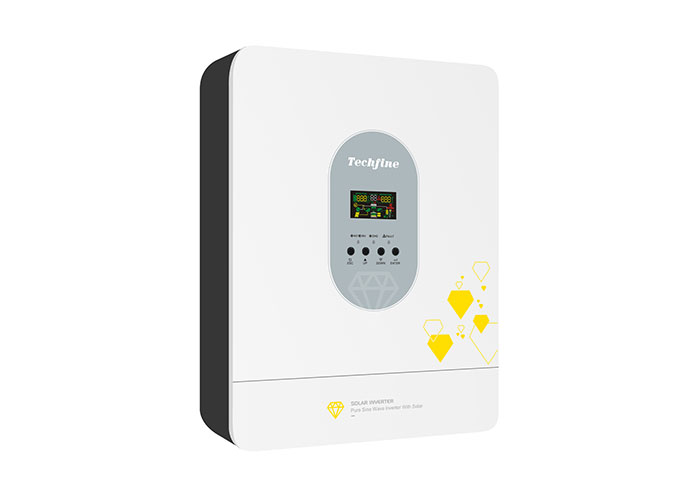
Not all off-grid inverters are built the same. One of the most important distinctions is between high-frequency and low-frequency inverters.
High-frequency inverters are typically compact, lightweight, and efficient for smaller setups. They use advanced electronics to convert power quickly and are great for homes with moderate energy needs — such as lighting, entertainment devices, and small appliances.
Low-frequency inverters, on the other hand, are built for endurance and heavy loads. They use a large transformer, which makes them bulkier but far more robust. If you plan to run equipment like pumps, air conditioners, or power tools, a low-frequency inverter is often the smarter choice.
To put it simply:
If your system is focused on efficiency and portability, a high-frequency inverter might be ideal.
If your system must handle surges and high starting loads, a low-frequency inverter provides better stability and long-term durability.
Both have their place — it’s about matching the technology to your lifestyle and energy demands.
4. Key Factors to Consider When Choosing an Off-Grid Inverter
When it comes to choosing the best off-grid inverter for your home, the decision shouldn’t rely on brand names or marketing terms. Instead, focus on performance, compatibility, and reliability. Let’s explore the most important factors.
a. Power Capacity
Start by identifying your total energy consumption — that is, the combined wattage of the devices you want to run simultaneously.
If your home uses about 3,000W at peak times, choose an inverter rated slightly higher (e.g., 3.5–4kW) to handle surges. Oversizing your inverter slightly gives you headroom for future upgrades and ensures your system doesn’t struggle under load.
b. Battery Compatibility
Off-grid systems rely heavily on batteries, so make sure your inverter is compatible with your chosen battery type — whether it’s lead-acid, AGM, or lithium-ion. Modern inverters often support multiple chemistries and have smart charging algorithms to extend battery life.
c. Waveform Type
For household use, always choose a pure sine wave inverter. It delivers clean, smooth power — similar to the grid — ensuring that sensitive electronics and motors run efficiently. Modified sine wave inverters are cheaper but can cause humming noises, inefficiency, and shorter appliance life.
d. Efficiency and Conversion Rate
The inverter’s efficiency determines how much of your solar energy actually becomes usable electricity. Look for models with efficiency above 90–95%. A few percentage points may not sound like much, but over years of operation, the savings are significant.
e. Safety and Protection Features
Good inverters come with built-in protection mechanisms such as overload protection, short-circuit shutdown, temperature monitoring, and automatic restart. These features ensure both the longevity of your system and the safety of your home.
5. Matching the Inverter to Your Application
Every home is different — so are its energy demands. A small weekend cabin, for example, has different requirements than a family home that’s completely off the grid.
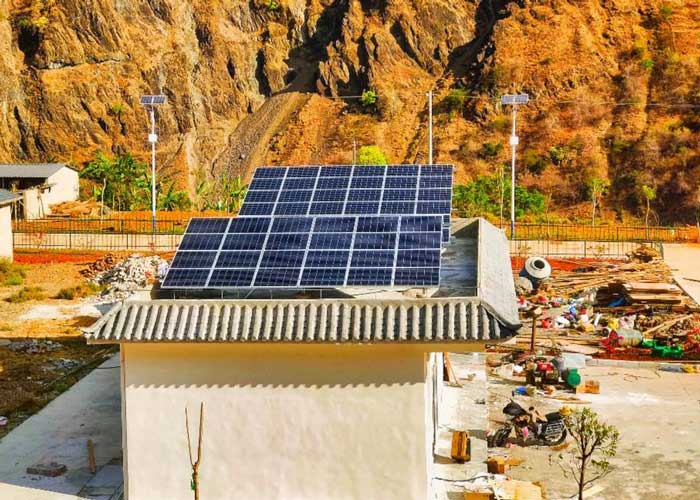
For a remote cabin or vacation home, where power use is occasional and modest, a compact, high-frequency inverter paired with a few solar panels and a battery bank may be sufficient.
For a permanent residence, especially one using high-wattage appliances, a low-frequency inverter with a larger capacity provides better reliability. These models can handle energy surges when motors start — for example, when your water pump or air conditioner kicks in.
If your location is prone to storms or inconsistent sunlight, consider pairing your inverter with a generator auto-start function. This hybrid approach ensures continuous power even when solar production is low.
6. Quality, Brand, and After-Sales Support
Off-grid systems are long-term investments. A high-quality inverter can last a decade or more, but only if it’s built with reliable components and backed by professional support.
Choose a manufacturer or supplier with proven experience in inverter production, transparent specifications, and accessible technical assistance. Look for companies that offer OEM/ODM customization if you have specific requirements — such as voltage range, casing design, or communication interfaces.
Many off-grid users in remote areas appreciate having smart monitoring options (WiFi or GPRS). These allow you to track performance data and receive alerts in real time — reducing maintenance effort and maximizing uptime.
7. Installation and Maintenance Considerations
Even the best inverter won’t perform as expected if it’s not installed correctly.
Your inverter should be installed in a well-ventilated, dry area, protected from dust and moisture. Proper cable sizing, grounding, and system integration with batteries and solar charge controllers are essential for safety and performance.
Routine maintenance is simple but crucial — periodically check cable connections, clean dust filters, and ensure that the cooling fans are working properly.
If you work with a reliable supplier, they can often provide detailed installation guidance and long-term technical support — helping your off-grid system run smoothly for years to come.
8. Balancing Cost and Quality
Price is always a consideration, but with inverters, the cheapest option often costs the most in the long run. A low-cost inverter may look appealing upfront, but poor efficiency and unreliable performance can lead to higher energy loss, frequent maintenance, or early replacement.
When comparing models, think about total cost of ownership — not just the purchase price. An efficient, durable inverter that lasts longer and protects your batteries will save you far more money over time.
9. Looking Toward the Future of Off-Grid Living
Off-grid living is no longer just a lifestyle choice — for many people, it’s becoming a smart economic and environmental decision.
Solar inverters today are far more intelligent than ever before, with integrated MPPT charge controllers, remote monitoring, and modular design that allows systems to grow as your energy needs expand.
As solar technology continues to evolve, choosing the right inverter means setting up your system for future compatibility — whether that’s integrating with a smart home system, connecting additional battery storage, or scaling up your solar capacity.
10. Moving Forward Confidently
Selecting the right off-grid inverter might seem complex, but once you understand how it fits into your overall solar system, the decision becomes much clearer. It’s about aligning technology with your lifestyle, ensuring every watt of sunlight is converted into meaningful energy for your home.
Whether you’re setting up a cozy weekend cabin or a full-time off-grid residence, investing in the right inverter is an investment in peace of mind. With the right system, you won’t have to think about electricity — it will simply work, quietly and reliably, day after day.
A Thought to Leave You With
Choosing an off-grid inverter isn’t just about power — it’s about freedom.
Freedom from the grid, from rising electricity costs, and from worrying about outages. It’s about knowing that your home, no matter how remote, will always have light, warmth, and comfort — powered by something as simple and beautiful as sunlight.
If you’re ready to take the next step in designing your off-grid solar system or want expert advice on selecting the right inverter for your needs, learning more from a professional manufacturer is a great place to start. With the right guidance, you can build a system that’s efficient, reliable, and truly tailored to your energy independence.